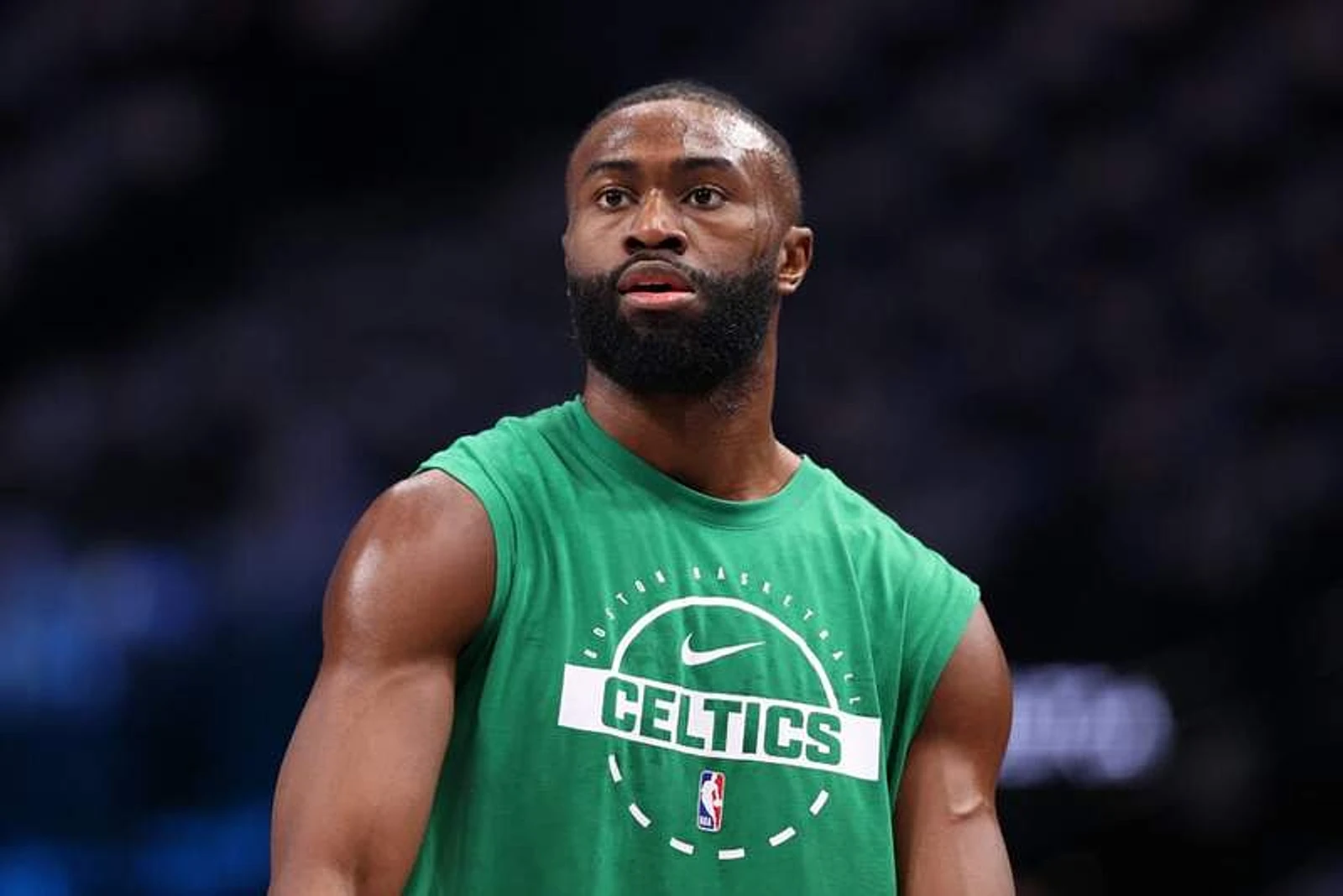
The Philadelphia 76ers walked into Game 7 against the Boston Celtics with a clear plan—and it worked. From the opening tip, they seized control, building an early first-quarter lead and dictating the tempo throughout the night. But while the scoreboard told one story, Celtics star Jaylen Brown had a different take on how the game unfolded.
Boston mounted several challenges, particularly in the second and fourth quarters, but each time the Sixers found an answer. That answer came in the form of Joel Embiid, who delivered a masterclass performance. The reigning MVP finished as the game's top scorer, but Brown suggested there was more to the story than just Embiid's raw talent.
"We didn't really have the answers for him," Brown admitted in the postgame press conference. "We tried a bunch of different things. He's a big body." Then came the jab: "He also was flopping around, he got some extra calls and stuff like that. They rewarded him for that, but that's the league we're in."
Embiid's stat line was undeniable: 34 points, 12 rebounds, and six assists in 39 minutes, all while battling visible discomfort down the stretch. But Brown's comments tap into a simmering debate across the NBA—how physical play is officiated and which players benefit most from the whistle. It's a conversation that's followed stars like Shai Gilgeous-Alexander in recent seasons, and now it's squarely on Embiid's doorstep.
For the Celtics, the loss stings not just because of the result, but because of how it played out. Brown's frustration hints at a broader concern: when games are decided by free-throw disparities, the narrative shifts from strategy to scrutiny. As the league continues to evolve its rules, players and fans alike are watching closely—because in a Game 7, every call matters.