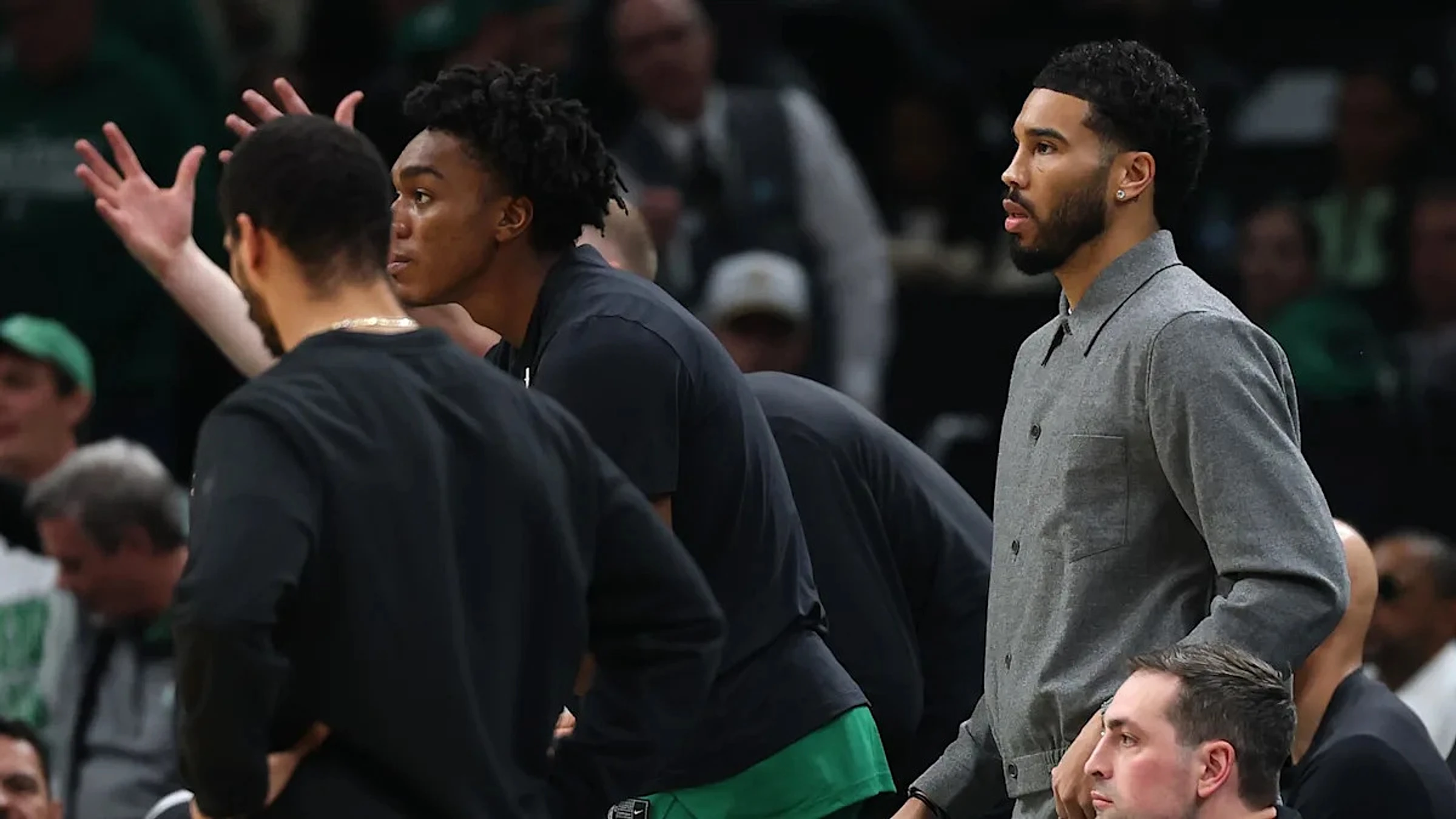
Jayson Tatum's sudden knee injury ahead of Game 7 has thrown a spotlight on a growing concern in the NBA: the handling of inside information. As the Celtics prepared for their decisive playoff matchup against the 76ers, questions swirled about when Boston knew their star forward wouldn't suit up—and who else might have known.
The drama began in Game 6, when Tatum made an early exit and never returned after the game turned into a blowout. Initially, Celtics coach Joe Mazzulla downplayed the situation, telling reporters, "He just went to the back and got stretched, got some treatment. That was about it." Tatum echoed that sentiment, saying, "My leg just was a little stiff when I came out in the third quarter. But, you know, just kind of assessing the moment, like, the game was a little out of reach."
Fast forward to Saturday afternoon, just six hours before Game 7 tipped off. The Celtics quietly added Tatum to the injury report with a knee issue, listing him as questionable. By game time, he was out entirely—a stark reversal from the previous day's reassurances.
This isn't just about one player's health. It's about the integrity of the game and the value of information. When did the Celtics truly know Tatum wouldn't play? Who was in the loop? In a league where every detail can shift betting lines and impact outcomes, these questions matter more than ever.
The timing is especially telling. Just last week, former NBA player and assistant coach Damon Jones pleaded guilty to charges stemming from his own misuse of inside information. It's a reminder that the line between team strategy and competitive fairness is thinner than ever. Whether the Celtics followed league protocols or not, this case highlights a system that leaves room for doubt—and that's a problem the NBA can't afford to ignore.