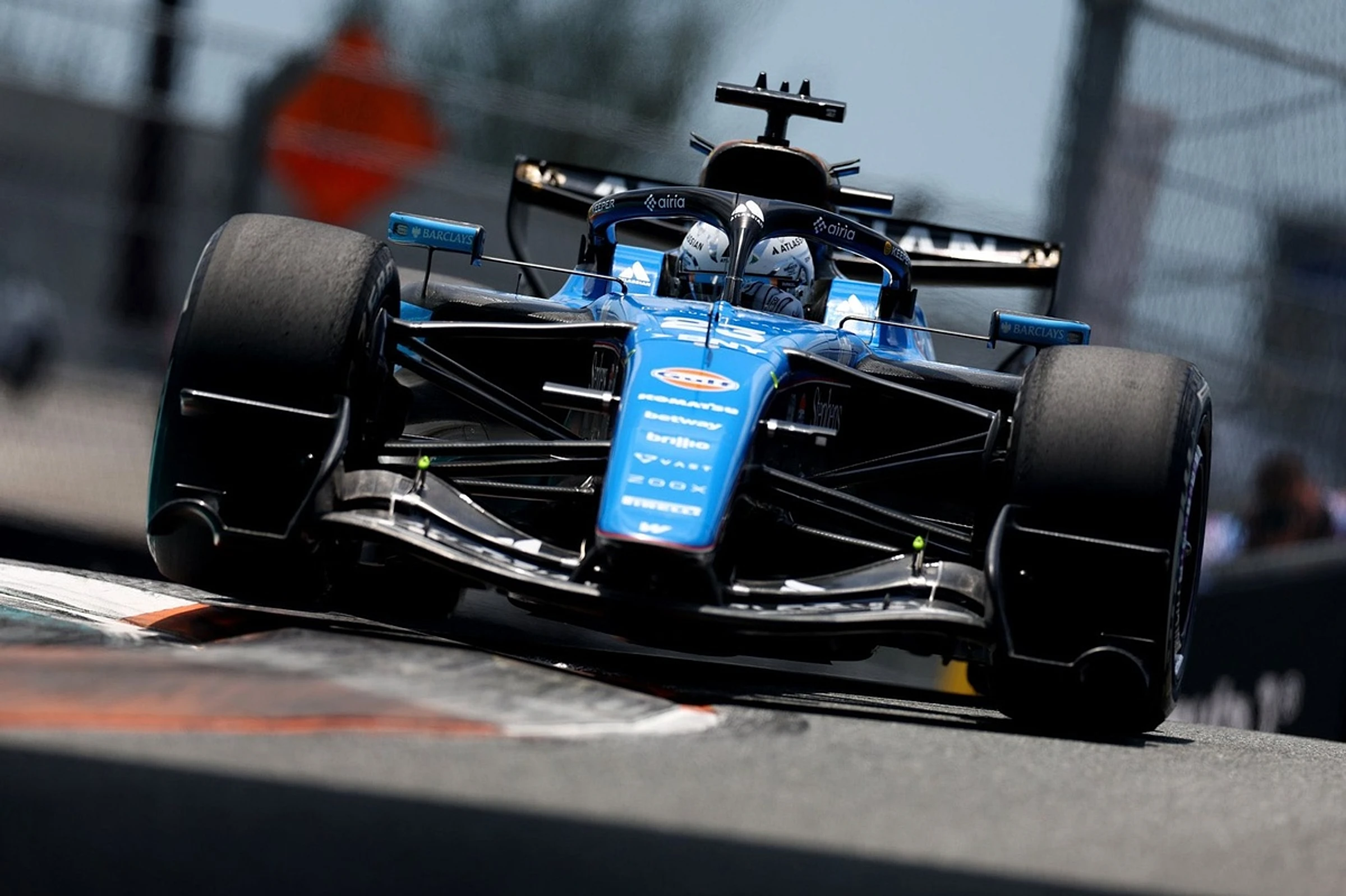
Williams Racing is facing a weight problem with its FW48, but team principal James Vowles assures fans that the solutions are ready—they just can't be rolled out overnight. In a candid breakdown on The Vowles Verdict YouTube show, Vowles explained why the team's path to a lighter, faster car will be a marathon, not a sprint.
“The engineering work required to reduce all the weight is complete,” Vowles said. “Our design team has done a fantastic job. We now have the concepts to bring this car not just to the weight limit, but significantly below it.”
So what's the holdup? The answer lies in Formula 1's cost cap—a financial guardrail that keeps spending in check but also limits how quickly teams can produce and deploy new parts. Vowles emphasized that while the team could manufacture everything at once, doing so would come at a prohibitive cost.
“One of the limitations of the cost cap is that I simply can't produce all of those bits overnight,” Vowles explained. “We could, but it would cost us a tremendous amount. The cost cap is a very good thing, but this is one of its constraints.”
The FW48 started the season heavier than Williams had hoped, partly due to the car failing crash tests ahead of pre-season testing. While some excess weight was trimmed for the Miami Grand Prix, there's still significant work ahead. The challenge isn't about manufacturing capability—it's about avoiding waste. Several key components, including suspension legs, axles, uprights, and wheels, were produced in bulk before the season started to ensure the team could carry itself through the early races.
“There are items that have quite high mileage limits. They don't last to the end of the year,” Vowles noted. “We need to time our upgrades carefully, so we're not throwing away perfectly good parts just to rush a fix.”
For Williams fans, this means patience is key. The team has the blueprint for a lighter, more competitive car, but the rollout will be gradual—a steady stream of improvements rather than a single, dramatic overhaul. In the high-stakes world of Formula 1, sometimes the smartest strategy isn't the fastest one.