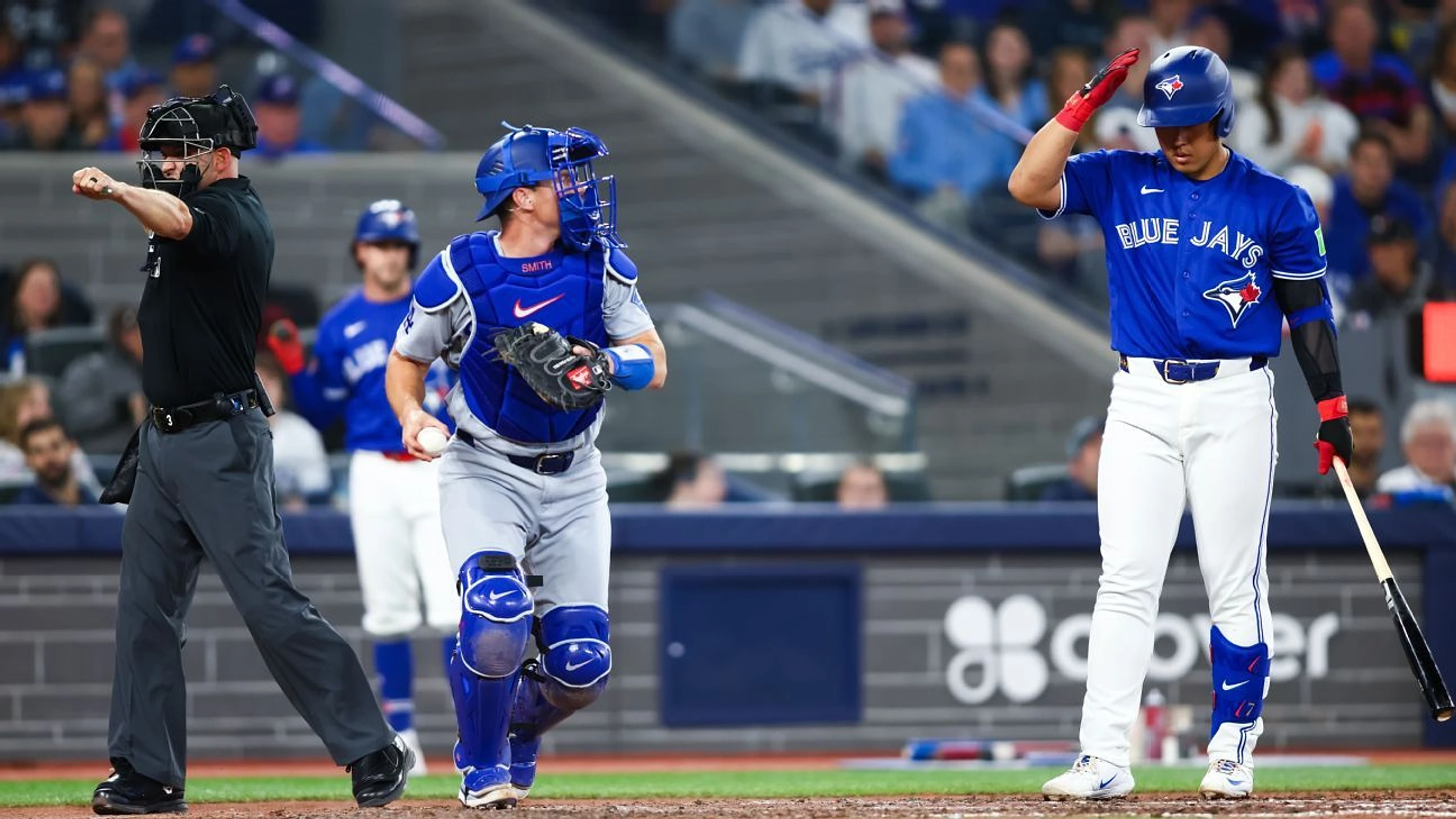
Major League Baseball's Automated Ball-Strike (ABS) challenge system has been one of the most talked-about innovations of the season, promising to bring a new level of precision to the game's most fundamental calls. But for the players on the field, adapting to this technology has been a complex process that goes far beyond what fans see on their screens.
"It's harder than it looks on TV," is a common sentiment echoed in clubhouses. While the system offers a clear "right or wrong" answer, the decision of when to use a precious challenge adds a significant strategic layer. Batters and catchers must now make split-second judgments on borderline pitches, weighing the potential to overturn a call against the risk of losing their challenge for later in the game. This mental calculus has fundamentally changed their in-game focus and preparation.
For hitters, it means developing an even sharper eye and quicker internal processing to decide if a pitch truly missed the zone. Pitchers and catchers, meanwhile, are refining their game-calling, knowing that any mistake near the edges could be instantly contested. The human element of "working" an umpire for a borderline strike is being replaced by a digital certainty, altering decades of ingrained game psychology.
The transition underscores a broader evolution in sports, where technology and tradition intersect. As players adjust their approach to this new tool, the ABS challenge system is proving to be less about simply getting calls correct and more about mastering a new, high-stakes dimension of in-game strategy. It's a reminder that even the most advanced tech in sports still requires sharp instincts and quick thinking from the athletes themselves.