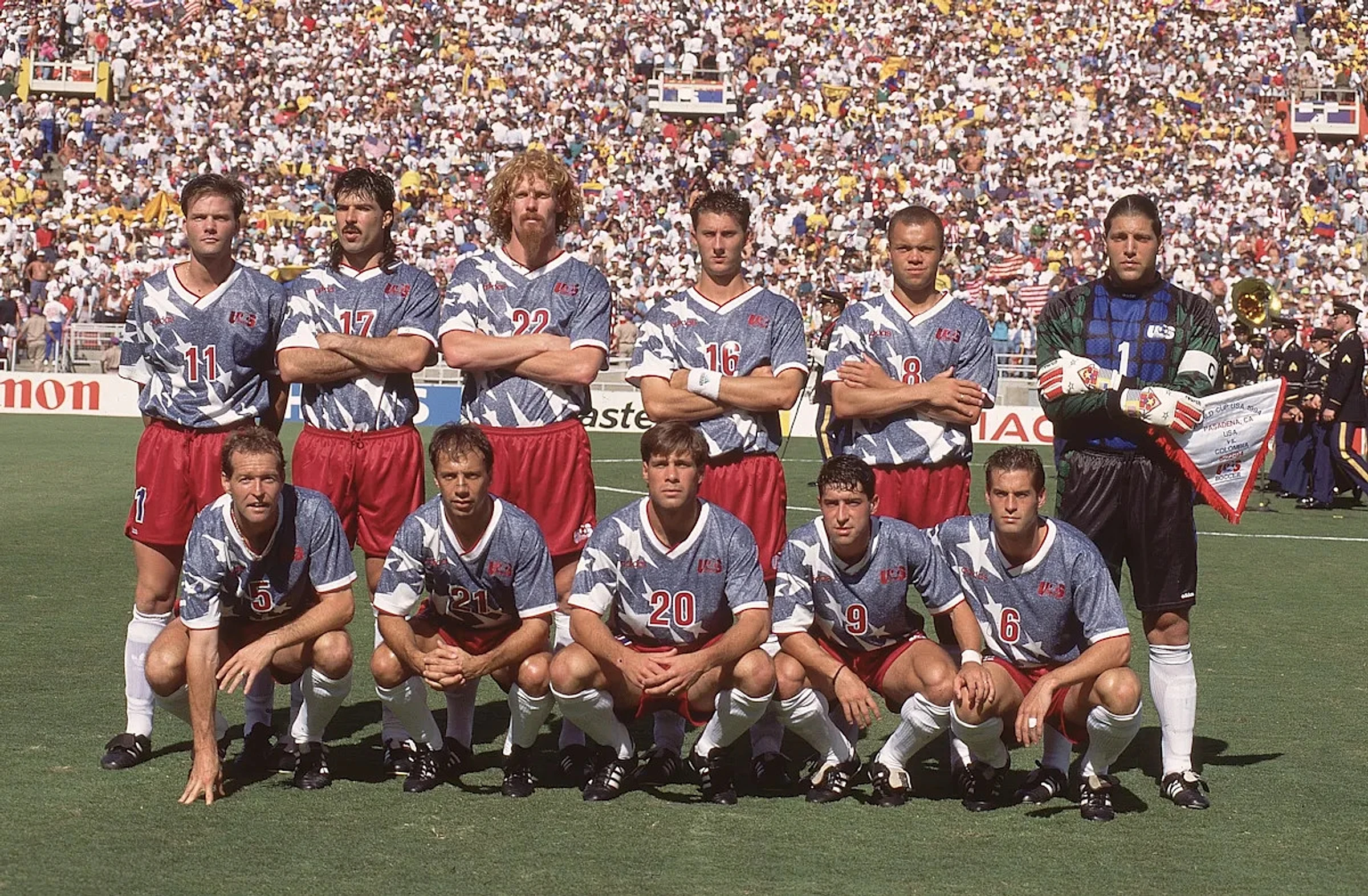
The World Cup is a stage where host nations often find magic. From Sweden's surprise final run in 1958 to South Korea's unforgettable 2002 semifinal charge, playing on home soil has historically given teams a lift. The USA experienced that boost in 1994, advancing from the group stage for the first time since 1950. But recent history tells a different story. Qatar and South Africa failed to escape their groups as hosts, and Brazil's 2014 campaign ended in a devastating semifinal collapse against Germany. Home-field advantage is no guarantee.
As the USMNT prepares for this summer's tournament, the optimism of 1994 feels distant. The team has talent—players like Christian Pulisic, Weston McKennie, and Tyler Adams have proven themselves on big stages. But recent friendlies against Belgium and Portugal revealed a harsh reality. Despite 70,000-plus roaring fans in Atlanta, the USA couldn't keep pace with Europe's elite. Manager Mauricio Pochettino didn't mince words afterward: "Belgium and Portugal have players in the top 100. We don't." It's a candid admission that while the squad is improving, it still lacks the depth and star power of traditional powerhouses.
The numbers back him up. Since 1990, the USMNT has won just nine of 34 World Cup matches and has never won more than two games in a single tournament. There have been memorable moments—the 2002 upset of Portugal, the 2010 draw with England, the 2014 escape from the "Group of Death"—but consistency has been elusive. The team can surprise, but surprise alone doesn't build a deep run.
So what will it take? More than home support and a few standout performances. The USMNT needs a tactical identity that can withstand pressure, a bench that can change games, and the belief that comes from beating top-tier opponents consistently. The fans will be loud, the venues will be packed, and the energy will be electric. But to change how the world views American soccer, this team must prove it can compete when the stakes are highest. The pieces are there. The question is whether they can put them together when it counts.