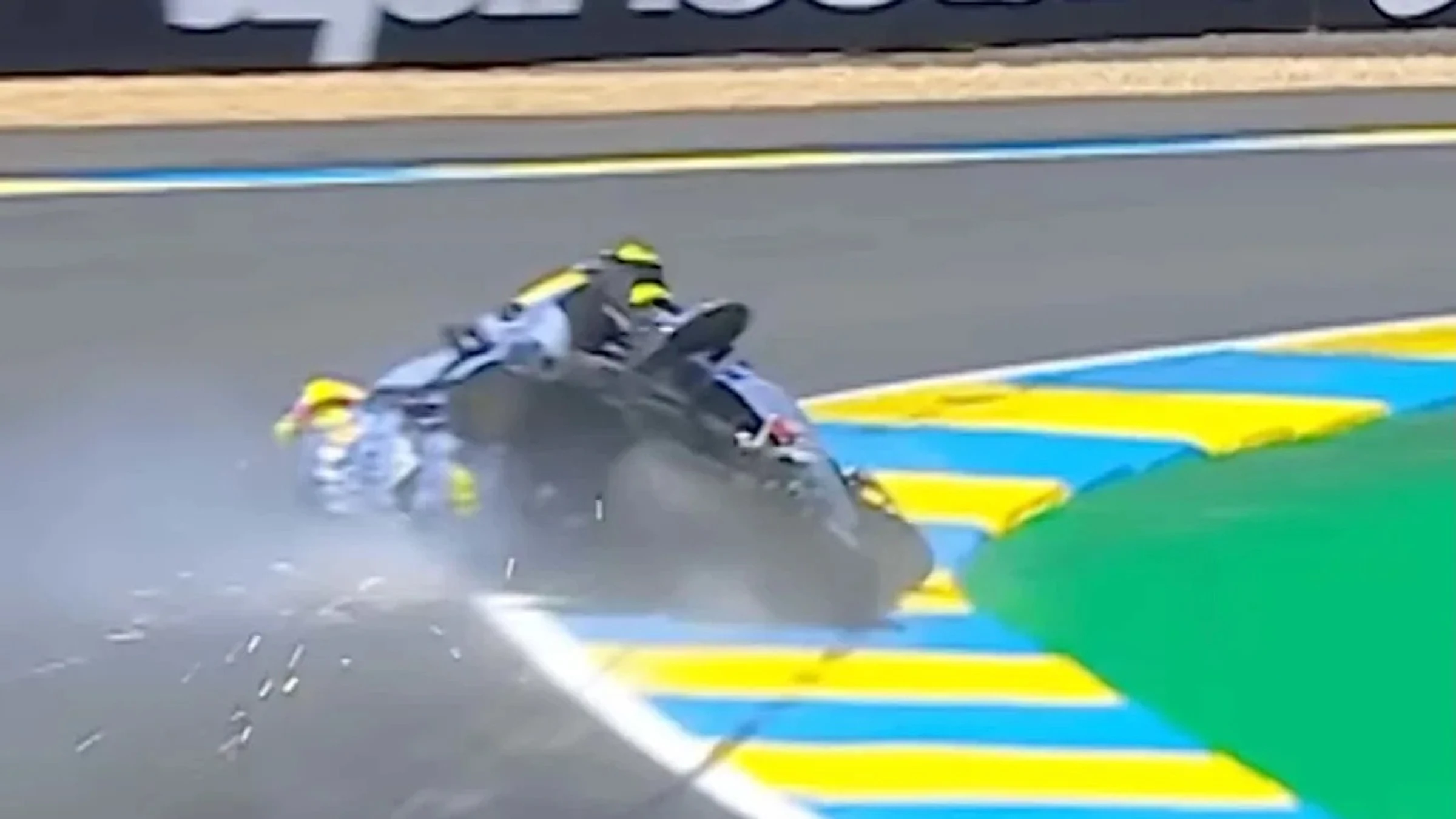
MotoGP's latest safety regulation is raising eyebrows—and not in a good way. The new "non-running bike" restart rule, introduced this season, was designed to protect track marshals from danger. But critics argue it might actually be putting riders at greater risk, potentially leading to crashes reminiscent of the tragic incident that claimed Marco Simoncelli's life.
Here's how it works: If a rider crashes and their bike's engine stalls, the machine must be moved to a service road before anyone can attempt to restart it. Previously, marshals could give a push to bump-start a bike that was still in working order. Officials deemed that practice too hazardous for the marshals, prompting the change. However, the unintended consequence is that riders may now feel pressured to hold onto their bikes as they slide across the track—just to save precious seconds during qualifying.
The rule change was largely triggered by Alex Rins's crash at Mandalika in 2025. During qualifying, Rins went down and took an agonizingly long time to get his Yamaha going with marshal assistance, elevating the risk for everyone on track. MotoGP stated the goal was to "minimize the exposure of track marshals to danger." Yet, at Le Mans last weekend, we saw a troubling example of how this rule could backfire.
Fermin Aldeguer lowsided his Ducati during Friday's practice. Instead of letting the bike go and sliding safely into the gravel, he hugged it, letting it drag him across the track. The rider behind had to take evasive action to avoid a collision. This behavior—holding onto a bike as it careens across the asphalt—is eerily similar to the way MotoGP lost Simoncelli. It's a dangerous gamble that could have devastating consequences.
In the high-stakes world of MotoGP qualifying, every second counts. But is saving a few tenths worth risking a rider's life? The debate is heating up, and fans and experts alike are watching closely to see if the sport's governing body will need to rethink this controversial rule.