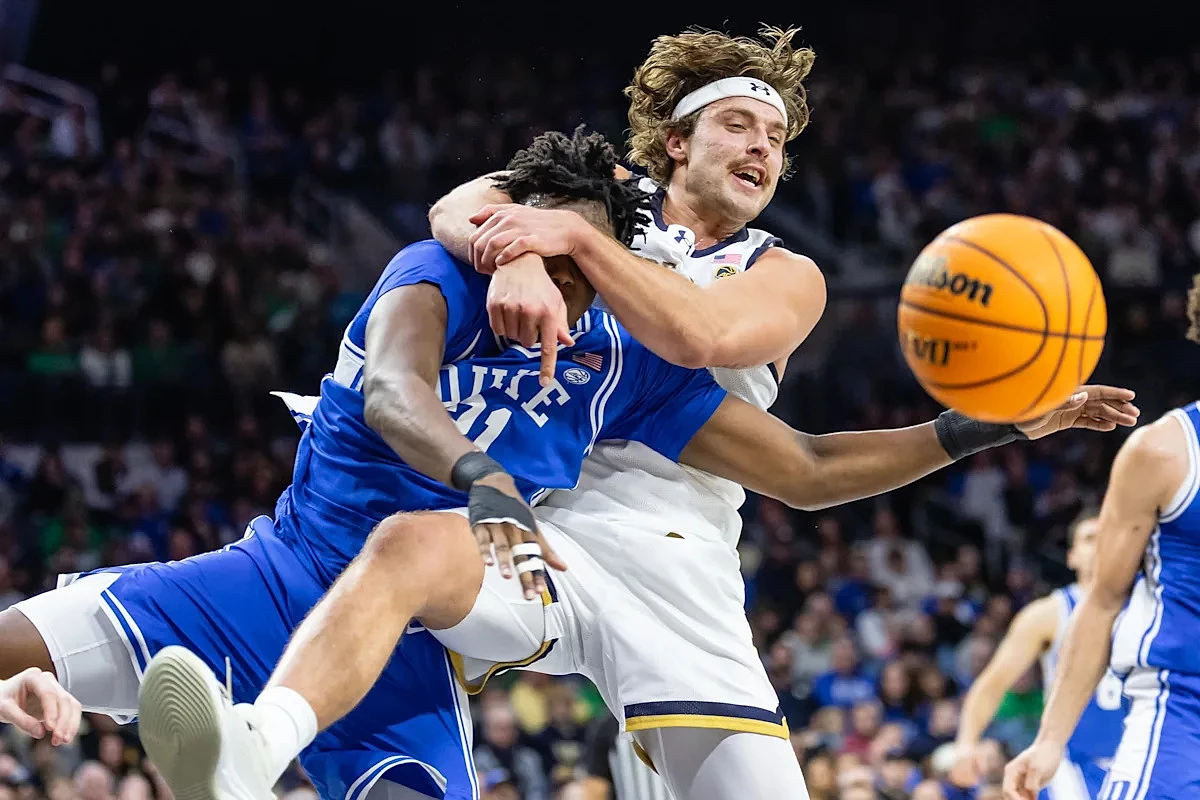
For years, the Atlantic Coast Conference has prided itself on being a basketball-first league, but the elephant in the room—or rather, the golden dome—has always been Notre Dame. The Fighting Irish have long enjoyed a unique arrangement: they're a full member in most sports, but remain independent in football. And for a while, that worked. But now, with tensions rising and complaints flying, the question is no longer just rhetorical: is it time for the ACC to let the Irish go?
The conversation was reignited by a recent column from Mike DeCourcy, the veteran college sports writer who, after announcing his retirement just before the Final Four, proved he's still got plenty to say. His piece cuts straight to the chase: should the ACC tell Notre Dame to either commit fully or find the exit?
Our own patience with the Irish began to fray when Athletic Director Pete Bevacqua publicly griped that the ACC didn't do enough to help Notre Dame secure a College Football Playoff spot. His comments were sharp, suggesting the relationship had been "permanently damaged." It's a curious take, given that during the pandemic, it was the ACC that stepped in to fill Notre Dame's open dates, essentially rescuing their entire season. Without that lifeline, the Irish might not have had a season at all.
But here's the real rub: what exactly was ACC Commissioner Jim Phillips supposed to do? Promote an independent program over his own conference's teams? That's not just unrealistic—it's absurd. If Notre Dame wants to go it alone in football, then making their own case for a playoff berth is part of the deal. You can't have it both ways.
And let's be honest, the frustration isn't just about football. Notre Dame's commitment to the ACC in other sports has been, at best, uneven. Basketball, once a proud program, has withered. Look at what Micah Shrewsberry has pulled from the transfer portal: players from Winthrop, Penn, Davidson, Rutgers, and Gonzaga. Gonzaga is the outlier, but the rest of that list tells a story of a program that isn't being given the resources to compete. It's a far cry from the days when the Irish were a regular threat in March.
We understand the appeal: Notre Dame football is a majestic tradition, a brand that brings attention and revenue. But without that football program, what does Notre Dame really offer the ACC? DeCourcy might be onto something when he suggests that, stripped of the gridiron, the Irish aren't much more than a Vanderbilt or Rice—respectable, but not transformational.
So maybe it's time for a hard conversation. If Notre Dame isn't willing to be a full member—if they want to keep one foot out the door—then perhaps the ACC should look elsewhere. UConn has shown interest before. The Huskies are a basketball powerhouse with a growing football program. They might be ready to say yes.
For now, the debate continues. But one thing is clear: the special treatment can't last forever. The ACC has to decide what it wants to be—and whether the Irish are truly part of that future.