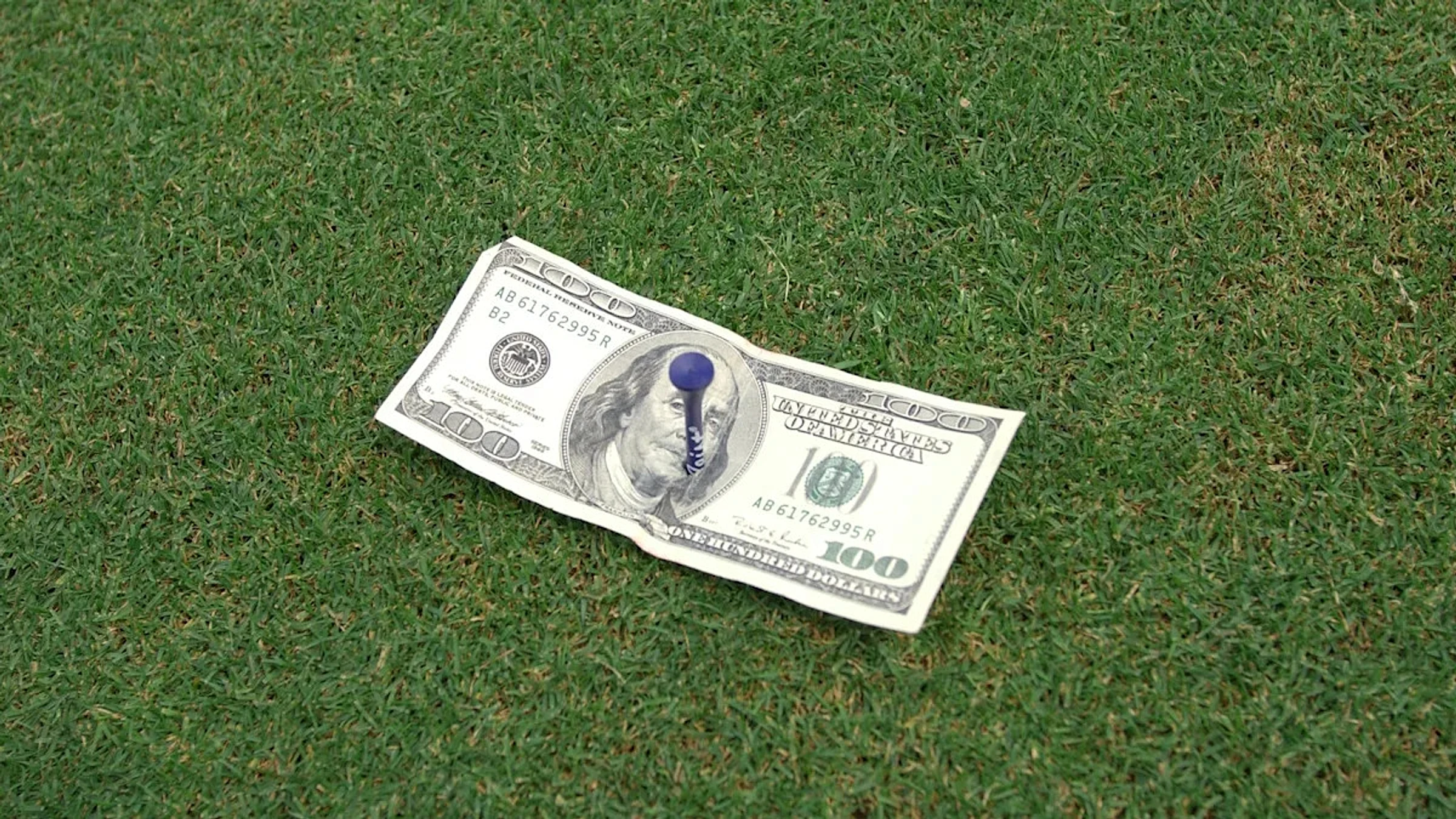
Is golf more expensive than ever? The answer isn't a simple yes or no. Whether a round feels like a bargain or a luxury depends entirely on who you are, where you play, and when you tee off.
Consider two public courses on the California coast, both designed by the legendary architect Alister MacKenzie. At Sharp Park, a seaside municipal gem south of San Francisco, green fees max out around $86. Just 50 miles down the coast, playing the highly-ranked Pasatiempo can cost over $430. That staggering $350+ difference highlights the game's incredible price spectrum, which stretches from $5 junior rates at local munis to over $1,000 at exclusive destination resorts.
This vast range exists within a sport that's experiencing an unprecedented boom. Since 2019, golf participation in the U.S. has surged by 41%, nearing 50 million players. Rounds played have hit record highs. Yet, a crucial detail often gets lost in these impressive numbers: market research reveals that a mere 7-8% of golfers are responsible for roughly 80% of all spending in the game. The growth is real, but its financial impact is highly concentrated, which directly influences pricing across the board.
While growth is positive, it hasn't come without friction. Many golfers voice a common complaint: the cost to play feels like it's spiraling out of control. Securing a prime tee time now often requires pre-dawn alarms or lightning-fast online booking skills, adding to the sense of a premium, high-demand experience.
However, the national data paints a more nuanced picture. An analysis by the National Golf Foundation shows that from 2019 through 2025, average public green fees increased by about 29%. This rise largely kept pace with general inflation and is relatively modest compared to price hikes in other recreational sports and entertainment sectors. The story of golf's cost is ultimately one of perspective, defined by the choices every player makes from the first tee to the 18th green.