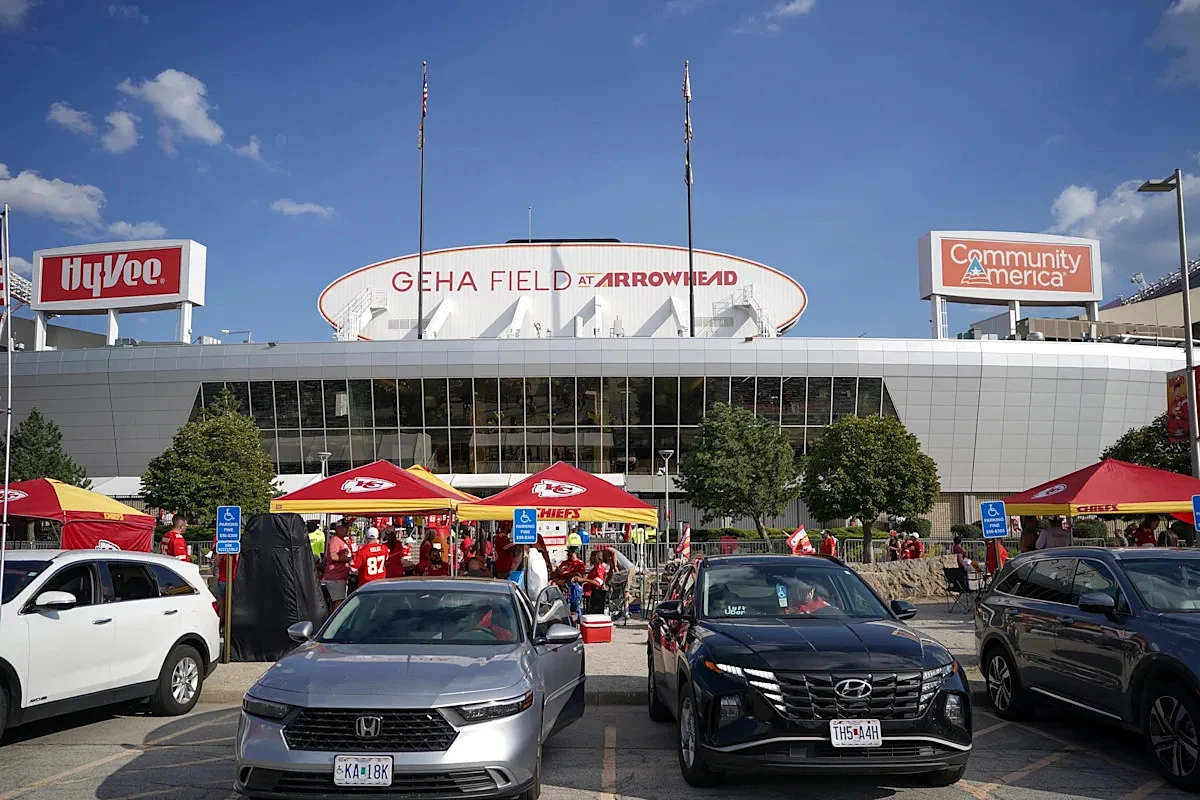
The excitement for the 2026 FIFA World Cup across the U.S., Mexico, and Canada is building, but so are concerns about the fan experience. With reports of high ticket prices and restrictive policies, many are worried the tournament's corporate side is overshadowing the celebration of the game. One major point of contention? The potential ban of a beloved American sports tradition: tailgating.
For fans in the U.S., tailgating is more than just a pre-game meal; it's a cornerstone of the live sports culture. The prospect of sharing this unique, communal experience with an international audience at a global event was a thrilling one. However, that vision hit a snag this week when language on the official Boston 2026 host committee website stated that traditional tailgating would be "not permitted" at Gillette Stadium, initially attributing the rule to FIFA policy.
This sparked immediate backlash and fears of a universal ban, especially for iconic tailgating venues like Kansas City's Arrowhead Stadium and Philadelphia's Lincoln Financial Field. The idea of losing these vibrant fan scenes in the name of security or corporate control felt like a direct hit to the tournament's soul. In response, FIFA's communications team took to social media to clarify, stating the organization has "no formal policy that restricts tailgating."
Instead, FIFA indicated that any restrictions would be "site-specific" and based on local regulations and safety decisions made with host cities. The Boston 2026 committee later removed the reference to a FIFA policy from its site, adding to the confusion. This leaves the situation in a gray area, suggesting that while FIFA isn't issuing a top-down ban, local organizers might still impose limitations, effectively passing the responsibility—and the fan frustration—to individual venues.
For now, supporters planning their World Cup journeys should keep a close eye on announcements from their specific host city and stadium. The hope remains that the spirit of tailgating—the camaraderie, the shared passion, and the festive buildup to the match—will find a way to thrive, ensuring the 2026 World Cup is remembered for its incredible atmosphere as much as for the football.