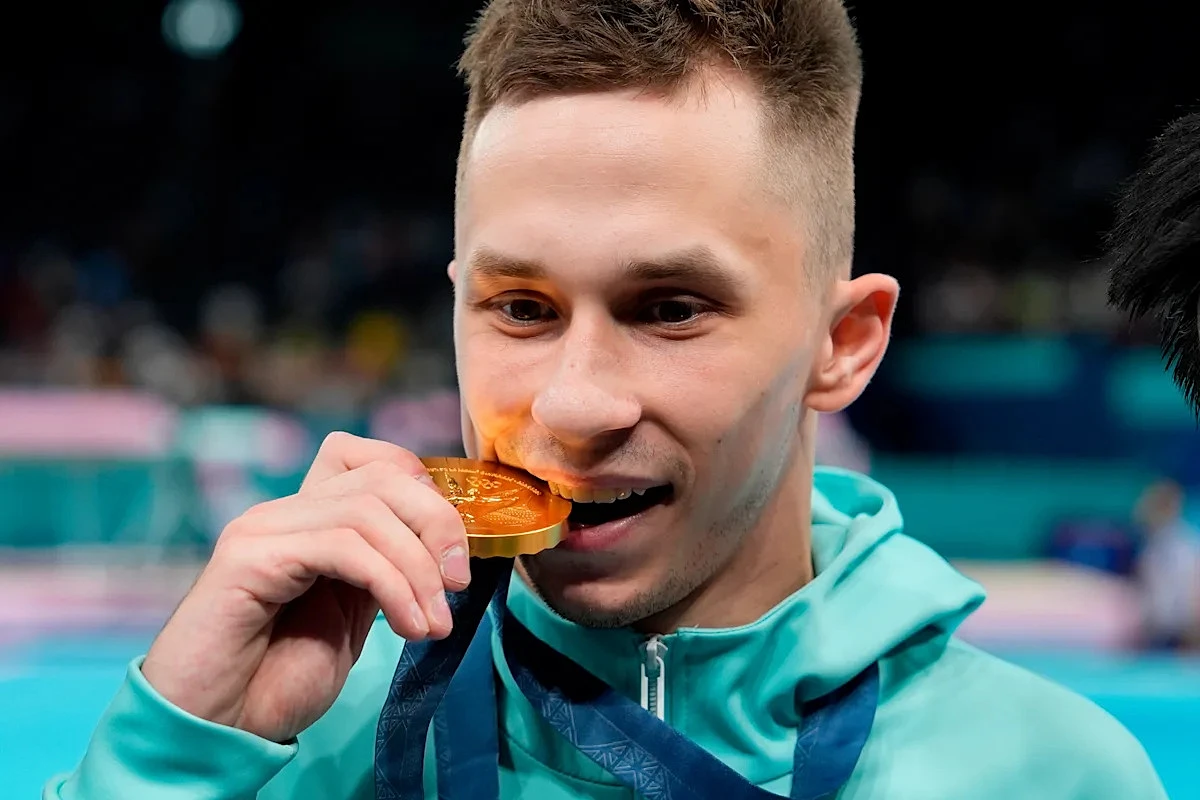
The International Olympic Committee (IOC) has taken a significant step toward reintegrating athletes from Belarus into international competition, urging sports governing bodies to allow them to compete with their full national identity without the need for neutral status vetting. This marks a notable shift in policy, though similar measures for Russian athletes remain on hold.
The decision, announced on Thursday by the IOC's executive board, signals a gradual move away from the strict isolation imposed on athletes from both Russia and Belarus following the outbreak of war in Ukraine. While Belarusian athletes are now encouraged to represent their country openly, the path for Russian athletes remains more complex, hindered by an ongoing World Anti-Doping Agency (WADA) investigation into recent reports involving Russian anti-doping official Veronika Loginova.
Previously, athletes from both nations were required to undergo rigorous approval as neutrals for events like the 2024 Paris Olympics and the upcoming Milan Cortina Winter Games. During the Paris Games, 32 such athletes competed, collectively earning five medals, including a gold in trampoline by a Belarusian competitor. The IOC reiterated its core principle: "Athletes' participation in international competition should not be limited by the actions of their governments, including involvement in a war or conflict."
This policy shift comes at a crucial time, as the qualification period for the 2028 Los Angeles Olympics is set to begin this summer. For athletes and sports brands alike, this opens up new opportunities for competition and representation on the world stage. However, the Russian Olympic Committee (ROC) remains suspended by the IOC since October 2023 due to its incorporation of regional sports bodies in illegally occupied eastern Ukraine. While the IOC noted "constructive exchanges" with the ROC, the suspension continues as the IOC's Legal Affairs Commission reviews the matter.
For sports apparel and e-commerce enthusiasts, this development underscores the ever-evolving landscape of international sports, where politics and athleticism intersect. As the world gears up for the Los Angeles Games, the full return of Belarusian athletes—and potentially Russian ones—could reshape team rosters, merchandise trends, and fan engagement in the seasons ahead.