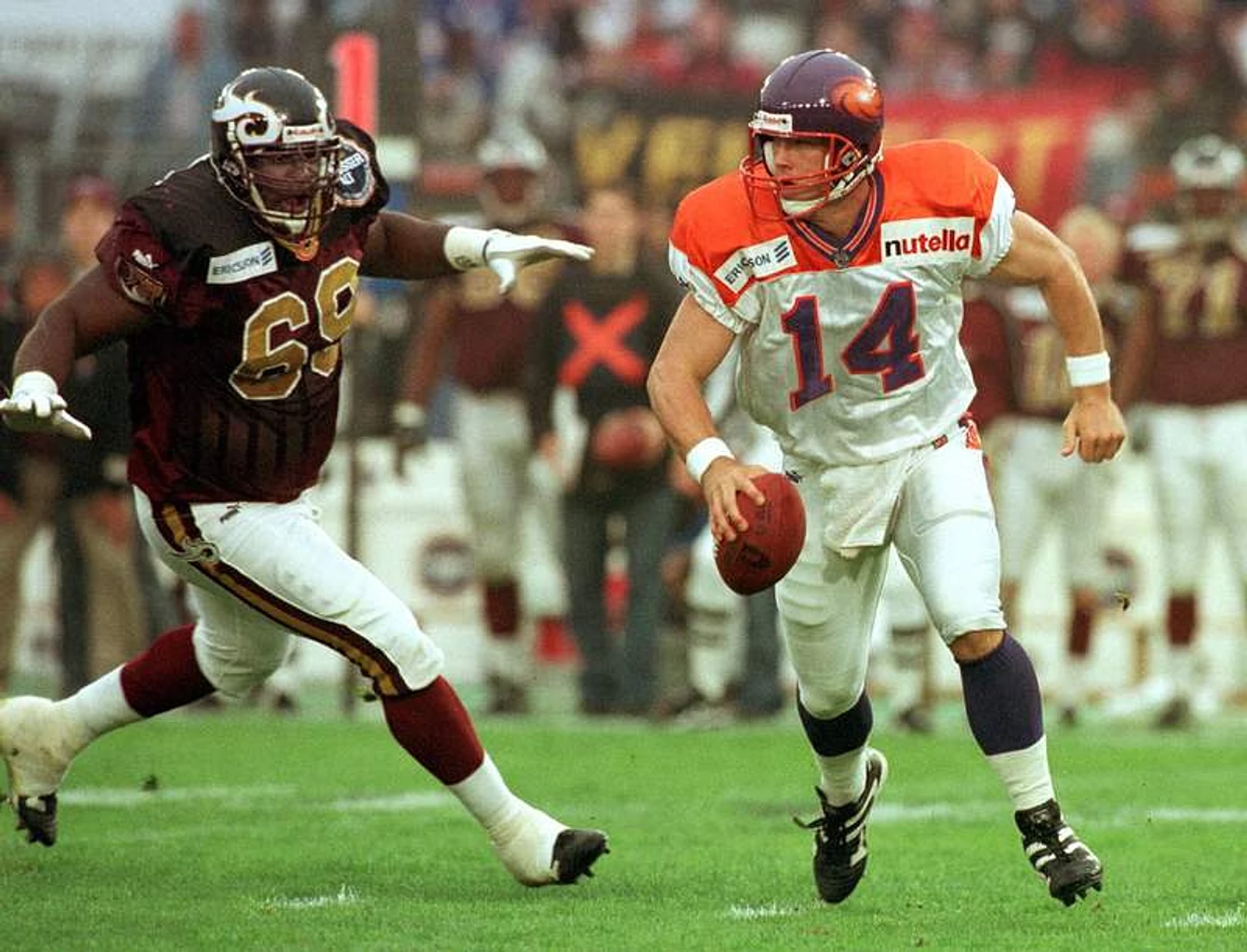
The NFL is dreaming bigger than ever before, and its sights are set far beyond American borders. But as the league maps out an ambitious global expansion, the road ahead may be bumpier than it expects.
It all started almost two decades ago. Back in October 2005, the Arizona Cardinals faced the San Francisco 49ers in Mexico City. At first glance, the game was nothing special—the Cardinals rolled to a 31-14 win, and the play on the field hardly screamed "premium export." Yet, something remarkable happened: 103,467 fans packed the stadium for the first-ever NFL regular-season game played outside the U.S. Mexican fans already knew and loved the sport, and they gave the league something it had been craving: proof that American football could truly travel.
Two years later, the NFL crossed another ocean. In October 2007, the Miami Dolphins and New York Giants met in London for the league's first regular-season game outside North America. Wembley Stadium turned into a rain-soaked swamp, but that didn't stop fans from showing up in thermals and raincoats. Tickets sold out in just 90 minutes. The NFL saw a real opportunity.
Since then, London has hosted at least one NFL game every year (except for 2020, thanks to the pandemic). And what began as a one-off novelty has grown into a major part of the league's calendar. Last season alone, the NFL staged seven games across Brazil, Germany, Ireland, Spain, and the UK. International Series viewership reportedly jumped 32% from the previous year.
Why the sudden push? Simple math. The NFL already generates more than $23 billion in annual revenue, and domestic growth is starting to hit a ceiling. Broadcast deals with CBS, NBC, FOX, ESPN, and Amazon are locked in through 2033. Meanwhile, the league is increasingly turning away from traditional networks and striking deals with streaming giants like Netflix and YouTube to chase a global audience. The NFL has squeezed nearly every drop out of the American market. Now, it wants the rest of the world.
Commissioner Roger Goodell has made it clear: the NFL is "serious about being a global sport." And with demand clearly on the rise, the league is betting big on an international future. But turning football into a worldwide phenomenon won't be as easy as booking a few stadiums overseas. From cultural barriers to logistical nightmares, the NFL's global playbook still has plenty of question marks.