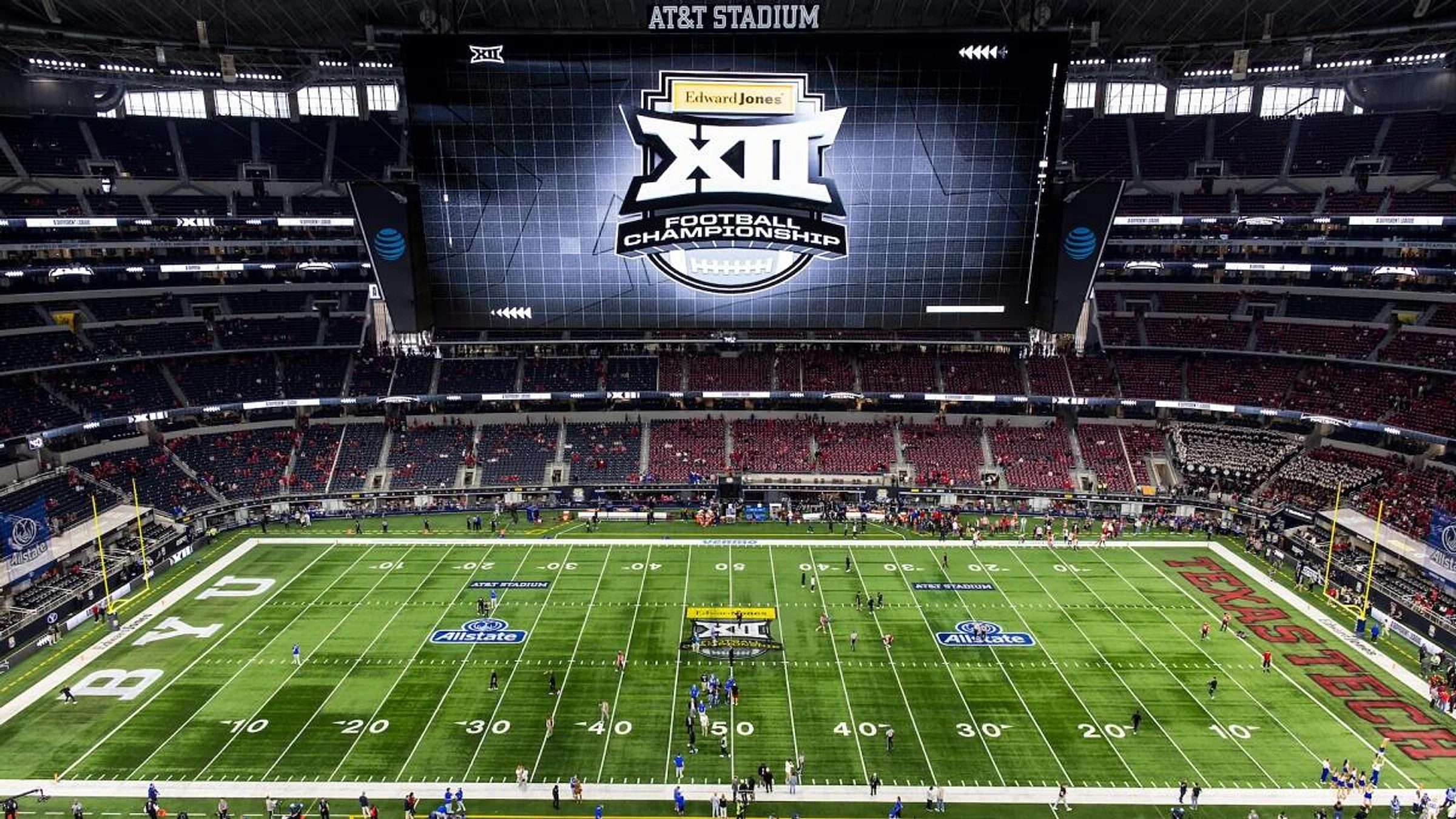
The math was already brutal, and it was getting worse by the day. When Big 12 commissioner Brett Yormark reached out to RedBird Capital Partners 18 months ago, the revenue gap between his conference and the Big Ten was a glaring chasm. The Big 12 was pulling in less than half of the Big Ten's $928 million annual haul. With revenue-sharing looming and NIL deals draining both athletic department budgets and booster wallets, Yormark knew he needed a game-changing play.
Taking the helm in August 2022, Yormark faced two towering challenges. First, closing that revenue gap. Second, the stark reality that no conference-level playbook existed for doing so. His solution? A bold move that had never been attempted in major college sports: bringing in a private-equity partner. After a year of informal collaboration that helped secure roughly $100 million in sponsorship deals, the Big 12 officially teamed up with RedBird Capital Partners and Tampa-based Weatherford Capital through a new venture called Collegiate Athletic Solutions (CAS).
Here's how the deal breaks down. The headline-grabber is an opt-in credit line of up to $30 million per school, though it comes with double-digit interest rates. But the real game-changer lies in two other pillars: a conference-wide commercial sponsorship operation designed to juice revenue, and a $12.5 million direct investment from CAS to build entirely new revenue-generating businesses for the Big 12. The burning question? Whether these moves can actually shrink the gap with the powerhouse conferences above them.
College athletics is watching this experiment closely. And so are the Big 12's own member schools. Because their future—whatever shape the next era of college sports takes—hinges on financial survival. "The onus is on the schools to innovate," says Robert Klein, president of RedBird Capital Partners. "If they embrace new business models that reflect today's economic framework, we can help them unlock value."
Across the country, conferences and universities are scrambling to find new revenue streams. The cost of doing business keeps climbing: coaching salaries, operational expenses, and now revenue-sharing contracts with players, entering its second year after the House v. NCAA settlement opened the door for athletes to get a slice of the financial pie. The Big 12's bet on private equity might just be the blueprint others follow.