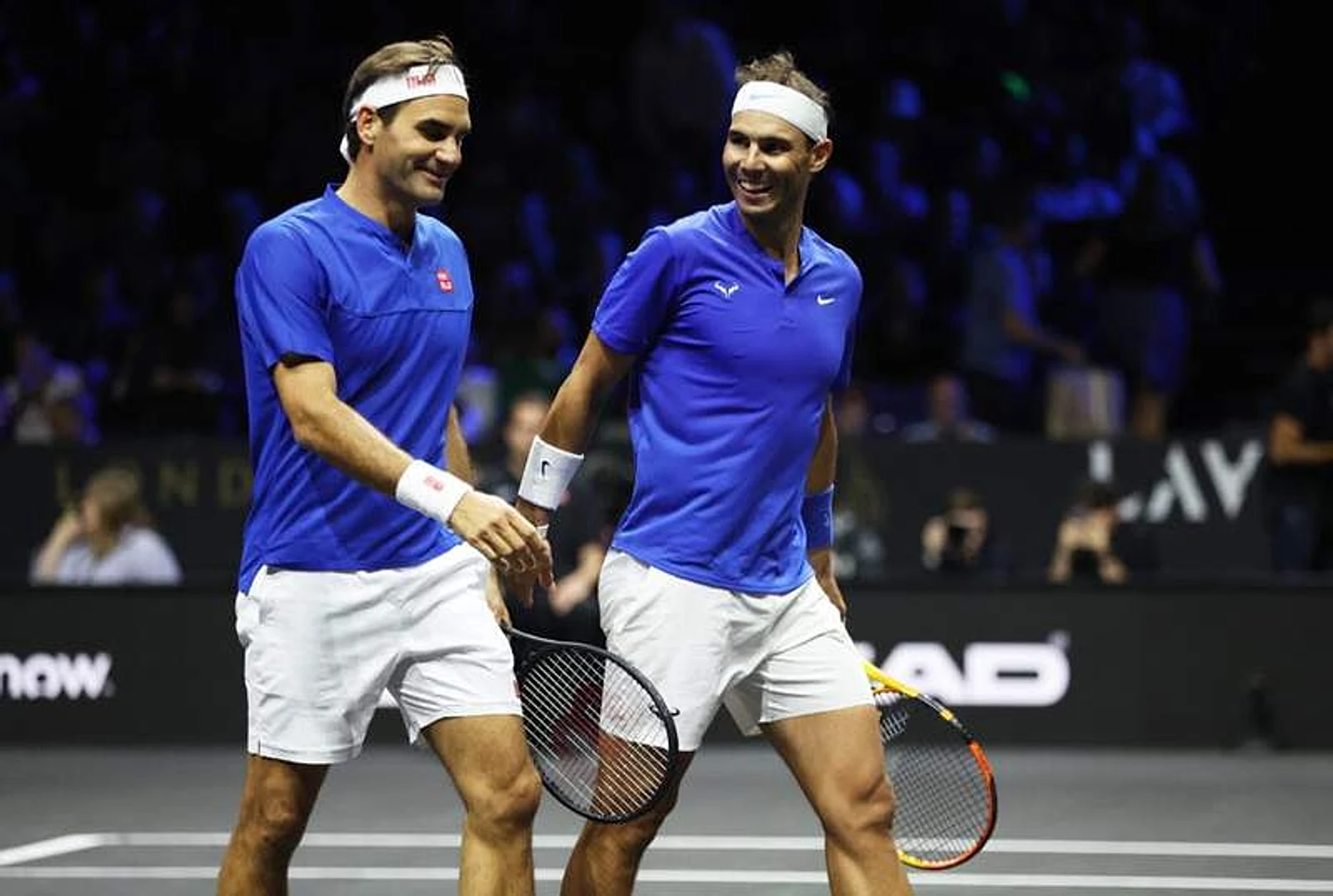
Roger Federer and Rafael Nadal's rivalry is the stuff of tennis legend, but for years, it felt like a one-sided story. By 2015, Nadal had built a commanding 23-10 lead in their head-to-head matchups, including a staggering 9-2 advantage at Grand Slams. The King of Clay dominated Federer 13-2 on his preferred surface, and even held a 9-6 edge on hard courts. It seemed Nadal had Federer's number.
But then came the reboot. In 2014, Federer made a critical equipment change, switching from a 90 to a 97 square inch racquet. That seemingly small adjustment sparked a remarkable late-career resurgence. From that point on, Federer won six of their final seven encounters, including three straight-set victories that left fans and analysts stunned.
Former US Open champion Andy Roddick recently shed light on this transformation during an episode of Served. "I think if you asked Roger, 'Should you have switched two or three years earlier?' my guess is he would have said, 'Yeah, it was really good when I did,'" Roddick explained.
The real game-changer? Federer's newfound ability to swing full power on his backhand returns. "It was funny," Roddick added. "When he wasn't in his prime anymore because of that racket switch, he kind of code-switched the matchup against Rafa."
Roddick recalled a pivotal moment at Indian Wells, a notoriously slow court. "I watched him beat Rafa there. He was hitting backhand winner returns off Rafa's serve—something I hadn't seen before. Normally, it started with a chip shot, which worked against me but not so much against Rafa."
The shift was remarkable for a player already cemented as one of the greatest. "If you've won 20 Slams with a certain setup, it's really hard to switch," Roddick noted. "But I suspect if you asked him, 'Do you wish you had made that switch two years earlier?' he'd say yes."
Federer's career haul of 20 Grand Slam titles defines his era, but interestingly, most came early in his reign. Between his 2010 Australian Open win and his 2017 triumph at the same event, he managed just one major title. That makes his post-2014 renaissance—powered by a single equipment change—all the more extraordinary. For tennis fans, it's a reminder that sometimes, the smallest tweaks can rewrite history.