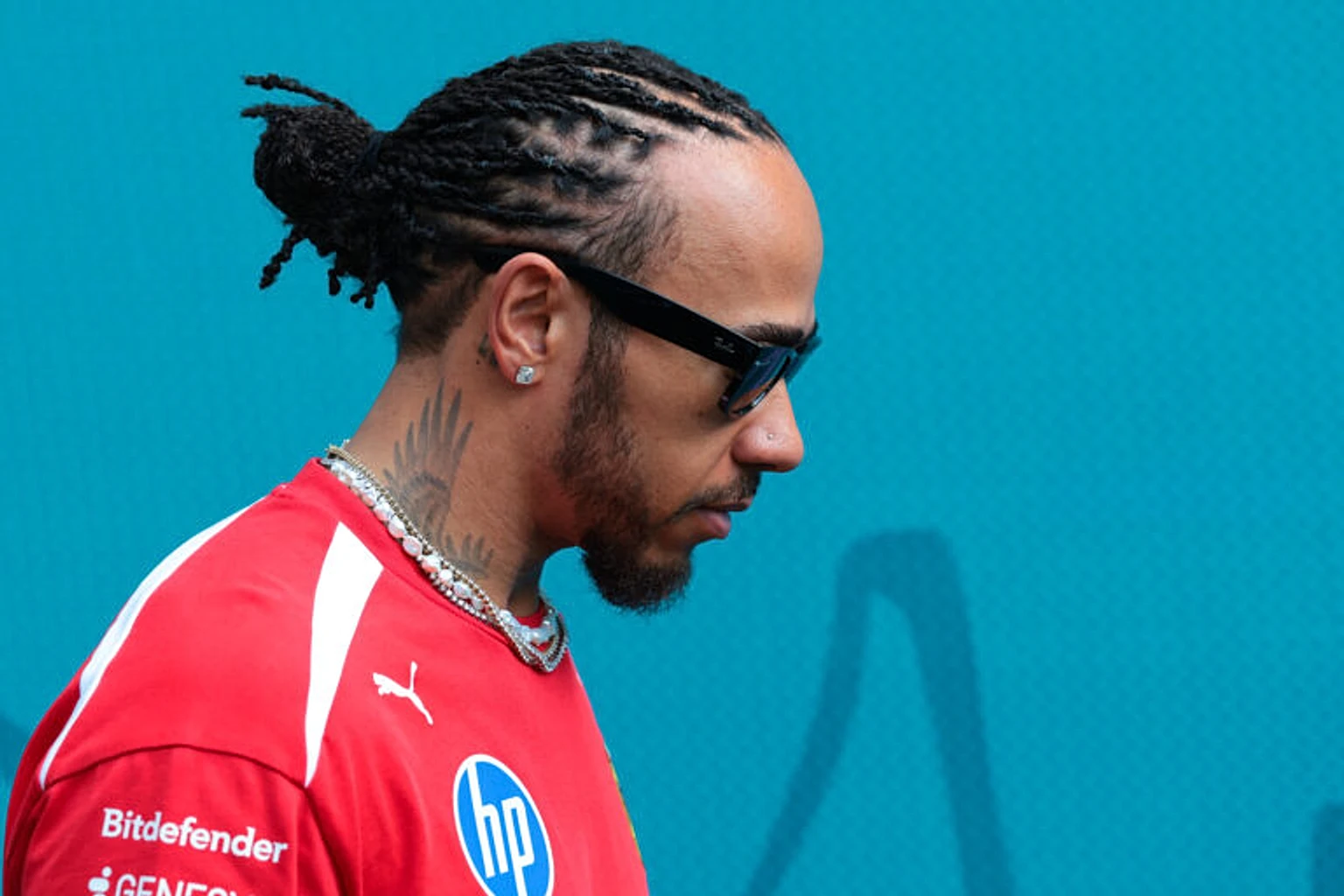
When a seven-time Formula 1 world champion speaks, the motorsport world listens. So when Lewis Hamilton recently voiced his frustrations with Ferrari's SF-26 simulator, it sparked a debate that has now drawn support from an unexpected corner: the IndyCar paddock.
Hamilton's complaints have been anything but subtle. As reported by ESPN, the F1 legend didn't mince words: "I'm going to have a different approach in the next race because the way we're preparing at the moment is not helping." For a driver of his caliber, the disconnect between simulator feel and real-track performance is a major red flag.
Enter former IndyCar star James Hinchcliffe, who stepped up to defend Hamilton's stance during an appearance on the F1 Nation podcast. "Ultimately, a simulation is just that: it's a simulation. It's not the real thing," Hinchcliffe explained. His point cuts to the heart of a problem that plagues even the most advanced racing teams.
Ferrari's simulator facility in Maranello is a multi-million dollar marvel of engineering. But as Hinchcliffe noted, there's a fundamental physical barrier that no amount of investment can overcome. "The one thing you cannot do is replicate the feeling of a race car from inside the cockpit," he said. "You can have it move around the room and simulate a fraction of the G-force that you actually feel in the car, fine, but it's not going to talk to you. It's not going to really give you that visceral feedback in the same way."
That missing visceral connection may explain why Ferrari's recent 11-part upgrade package—designed to "significantly boost" the SF-26's performance—ultimately fell flat. When track data and simulation data don't correlate, teams are essentially shooting in the dark, a problem that became painfully evident during the team's struggles in Florida.
As the Canadian Grand Prix approaches, Hamilton's decision to pivot away from simulator-heavy preparation could be a game-changer. For fans and gearheads alike, it's a reminder that no matter how advanced technology becomes, there's still no substitute for the raw, unfiltered experience of a real race car.