IndyCar has always been the underdog story in American motorsports—a series built on raw talent, real parity, and edge-of-your-seat racing. While Formula One battles burnout and NASCAR remains a regional powerhouse, IndyCar offers wheel-to-wheel drama and a roster of compelling personalities. But as the countdown to the 110th running of the Indianapolis 500 begins, the series finds itself in hot water, and not just because of a controversial T-shirt.
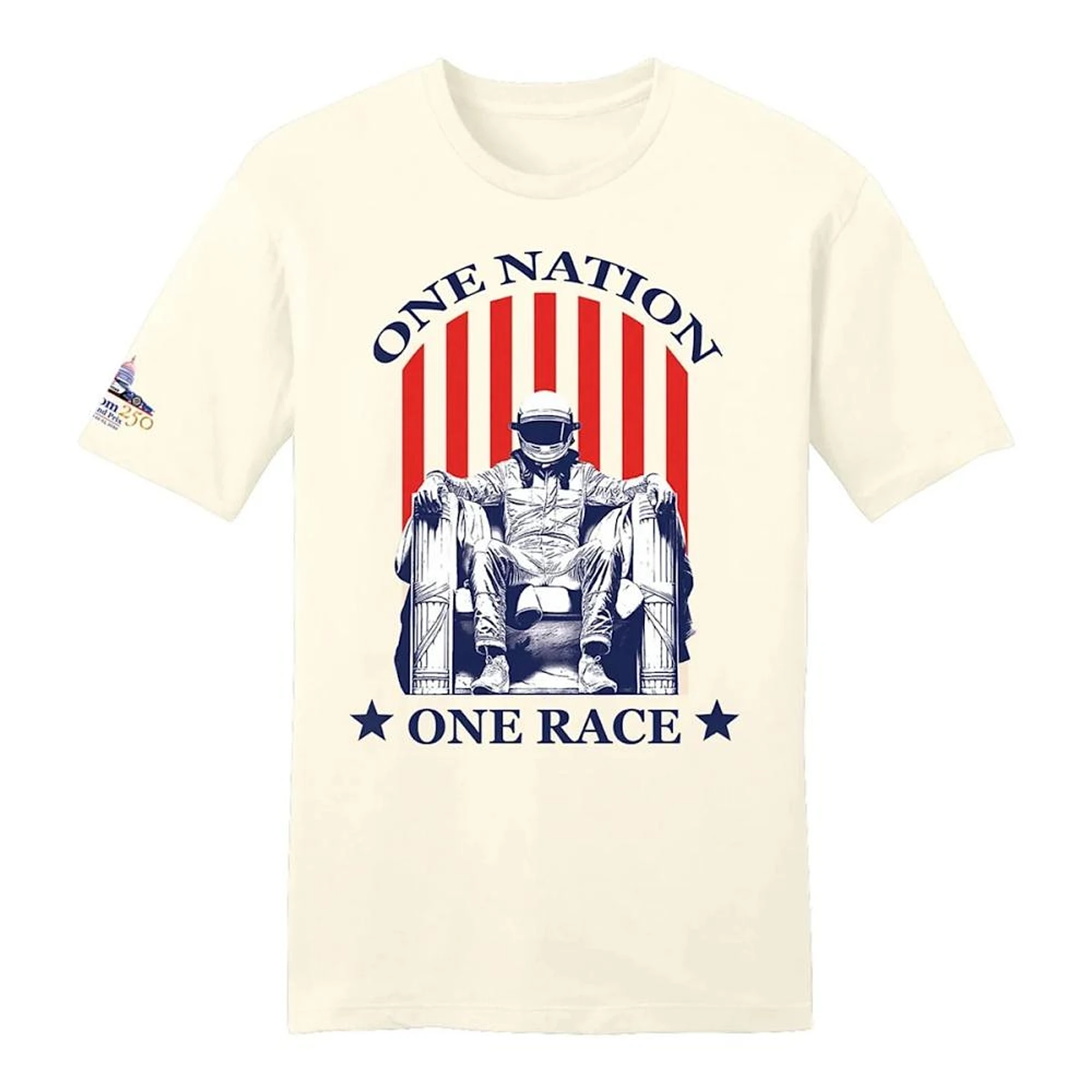
The drama kicked off with the unveiling of a licensed shirt for the Freedom 250, a Washington D.C. street race sanctioned by a Trump executive order. The design featured a helmeted driver in stark white, posed like the Lincoln Memorial statue against a red-striped backdrop, with the words "One Nation, One Race." The $50 price tag wasn't the only thing that caught fans' attention. Social media erupted, with one Reddit user joking that IndyCar had let Stephen Miller design the shirt. Jalopnik's Ryan Erik King called it "incredibly insensitive and inflammatory."
The imagery was hard to ignore. The driver's arms rested on Roman fasces—an ancient symbol later adopted by fascist movements—while the white figure sat against Lincoln's seat, all tied to an event branded by Trump as a MAGA spectacle. Critics noted that while the shirt didn't explicitly reference skin color, the visual cues spoke volumes. IndyCar quickly pulled the shirt from its online store, calling it a "fun graphic tee" and saying they "understand that some individuals found its phrasing concerning." A spokesperson later confirmed they are "reviewing its approval process."
But this isn't just a one-off misstep. IndyCar has been drifting rightward for a while, playing with fire in its rush to reclaim the spotlight. For a sport that thrives on diversity of talent and tracks, this controversy feels less like an accident and more like a symptom. As fans gear up for the Indy 500—still the crown jewel of American open-wheel racing—the series would do well to remember that the best way to win hearts isn't with divisive slogans, but with the pure, unfiltered racing that made it great in the first place.