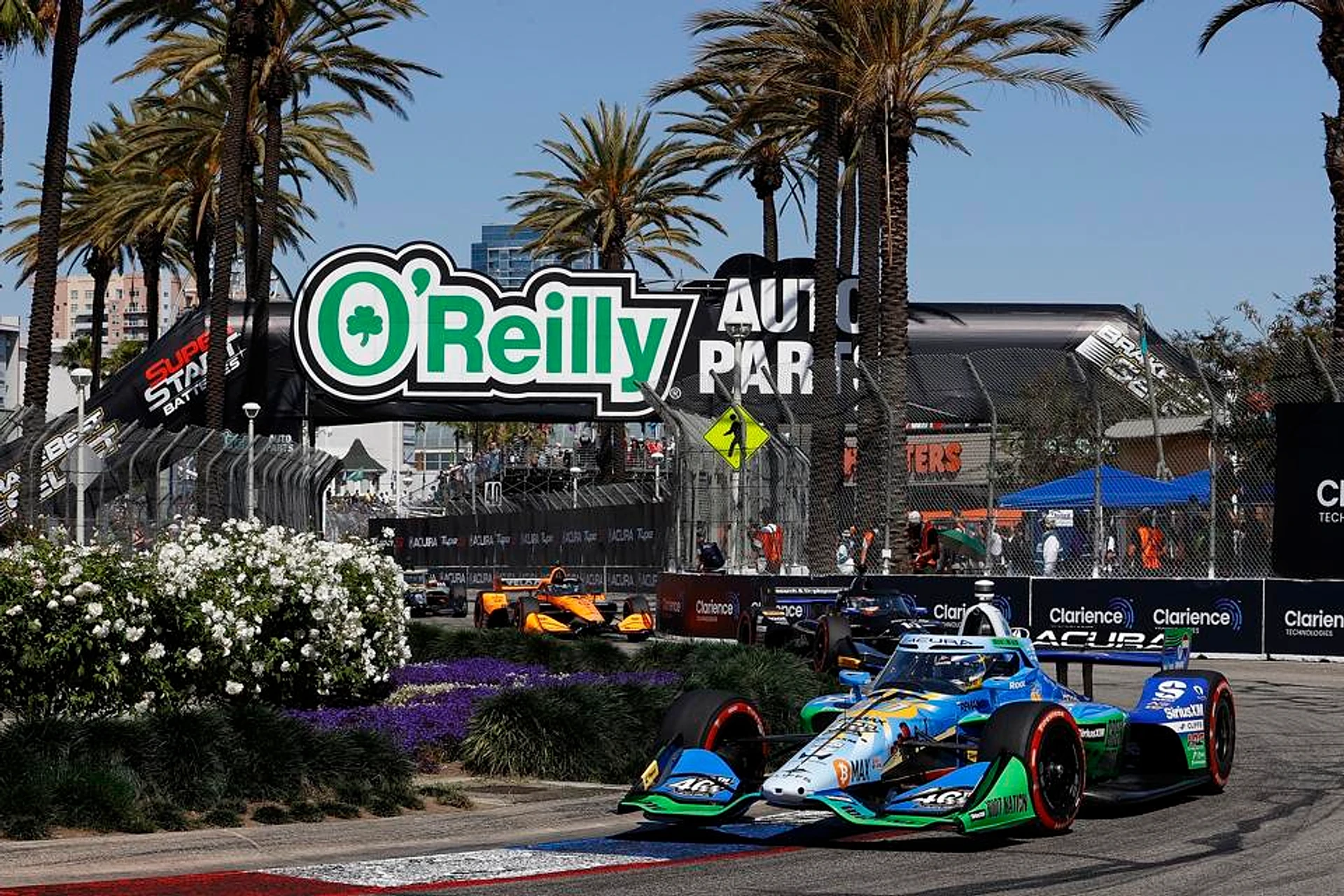
The IndyCar Series has officially closed the book on the Push to Pass controversy that emerged during the Acura Grand Prix of Long Beach on April 19. After weeks of analysis, the series' independent officiating body released its findings on May 5, confirming that a software glitch allowed 12 drivers to use the overtake system during a critical Lap 62 restart—but ultimately, the race results will stand.
For those unfamiliar, the Push to Pass system is a software-controlled feature that provides drivers with a limited boost of extra horsepower during competition. Typically, its use is tightly regulated to ensure fair racing. However, a failure in the system's software meant that a dozen cars inadvertently had access to the boost on that pivotal restart, raising questions about competitive integrity.
In a detailed statement, IndyCar Officiating acknowledged the error but placed the responsibility squarely on the series itself. "The burden of the Push to Pass system was on the series to assure that the software performed properly," the statement read. As a result, all cars that competed on the Streets of Long Beach were deemed legal and compliant with the rules. In other words, no penalties were issued.
The officiating body also released a full breakdown of how the system was used by each of the 12 affected cars on Lap 62. Here's the list:
• Car No. 3, Scott McLaughlin (Team Penske): 1 use, 3.0 seconds
• Car No. 6, Nolan Siegel (Arrow McLaren): 3 uses, 8.0 seconds
• Car No. 8, Kyffin Simpson (Chip Ganassi Racing): 2 uses, 12.1 seconds
• Car No. 10, Alex Palou (Chip Ganassi Racing): 3 uses, 15.1 seconds
• Car No. 15, Graham Rahal (Rahal Letterman Lanigan Racing): 1 use, 0.0 seconds
• Car No. 18, Romain Grosjean (Dale Coyne Racing): 2 uses, 4.5 seconds
• Car No. 45, Louis Foster (Rahal Letterman Lanigan Racing): 2 uses, 2.5 seconds
• Car No. 60, Felix Rosenqvist (Meyer Shank Racing): 3 uses, 18.5 seconds
• Car No. 66, Marcus Armstrong (Meyer Shank Racing): 1 use, 6.3 seconds
• Car No. 76, Rinus VeeKay (Juncos Hollinger Racing): 2 uses, 6.0 seconds
Notably, the analysis revealed that despite the software error, no cars gained a position advantage—with one exception. Marcus Armstrong in Car No. 66 managed to pass Santino Ferrucci (Car No. 14), though both drivers used the system in near-equal amounts. The officiating body concluded that this did not warrant a penalty, as the competitive impact was minimal.
So, what does this mean for fans and drivers? While the glitch may have raised eyebrows, IndyCar's decision to hold the results ensures that the race's excitement and drama remain intact. For those tracking the technical side of the sport, it's a reminder that even in a world of cutting-edge software, human oversight remains critical. As the series moves forward, expect a renewed focus on system testing and reliability—because in racing, every second counts.