IndyCar and its officiating team have announced key changes to their race management procedures, following a controversial incident involving Alexander Rossi during Saturday's race at the Indianapolis Motor Speedway road course. The update aims to streamline decision-making and improve safety protocols, ensuring that future cautions are handled with greater clarity and consistency.
The incident occurred on Lap 21 of the 85-lap race, when Rossi's #20 Chevrolet for Ed Carpenter Racing suffered a mechanical issue—which the driver later hinted was related to the hybrid system. His car came to a stop on the right side of the front straightaway. According to an official press release, the vehicle was positioned "off the racing line," but in an area where cars frequently receive a tow and can run three- or four-wide, creating a potentially hazardous situation.
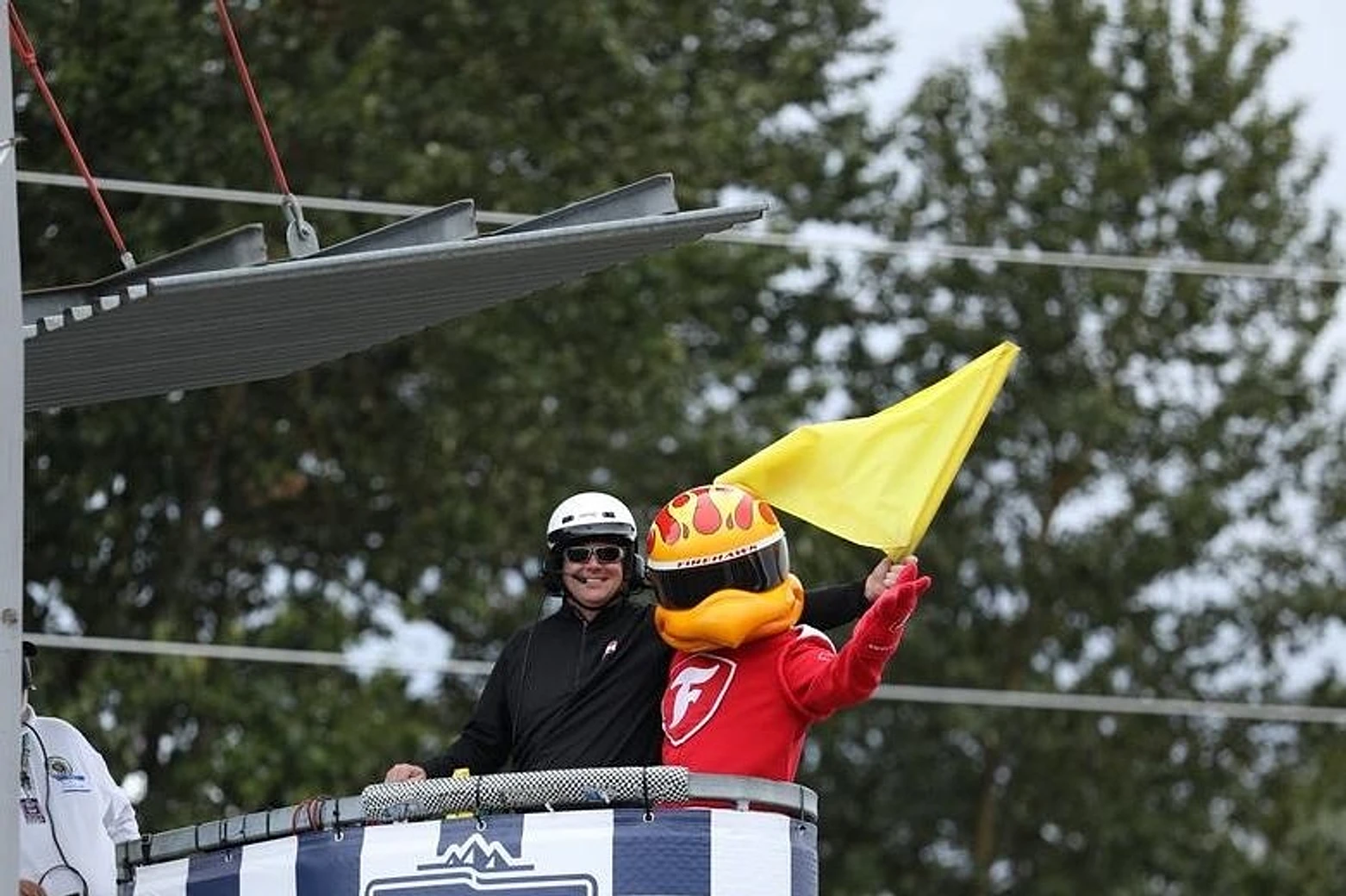
At the time, course marshals followed standard flagging protocol, deploying a standing yellow condition at Marshal Panel 14 and a waving yellow at the start-finish line to alert drivers to the stationary car. The decision to escalate to a full course yellow (FCY) came on Lap 22, just as Rossi began to exit his vehicle.
Previously, race control's assessment of whether and when to move from a local yellow to a FCY involved weighing several standard factors: driver egress, vehicle position, recovery vehicle access, safety team locations, laps remaining, and the timing of approaching traffic. However, additional considerations—including pit windows and the running order of cars on track—also played a role. This added complexity has now been eliminated.
Effective immediately, IndyCar Officiating will no longer factor in pit windows or running order when deciding to deploy a FCY. Local yellow procedures remain unchanged, with the initiation of a full course caution now based primarily on driver status, vehicle position and condition, the location and readiness of safety personnel, recovery access, and the speed differential between affected cars and approaching traffic.
"The Lap 21 incident on Saturday made clear that there needs to be a cleaner standard for how race control moves from a local to a full course yellow," said Raj Nair, chair of IndyCar Officiating's Independent Officiating Board. "IndyCar Officiating, with IndyCar's full support, is committed to ensuring that safety and consistency remain at the forefront of every decision on track."
For fans and teams alike, this update signals a more straightforward approach to race management—one that prioritizes immediate safety over strategic considerations. As the season continues, drivers can expect faster, more predictable caution calls, which should lead to fairer outcomes and fewer contentious moments in the heat of competition.