IndyCar has made a significant post-race rule change following a controversial incident involving Alexander Rossi at the Sonsio Grand Prix. The new policy means race control will no longer consider pit windows or running order when deciding whether to deploy a full-course yellow during caution periods.
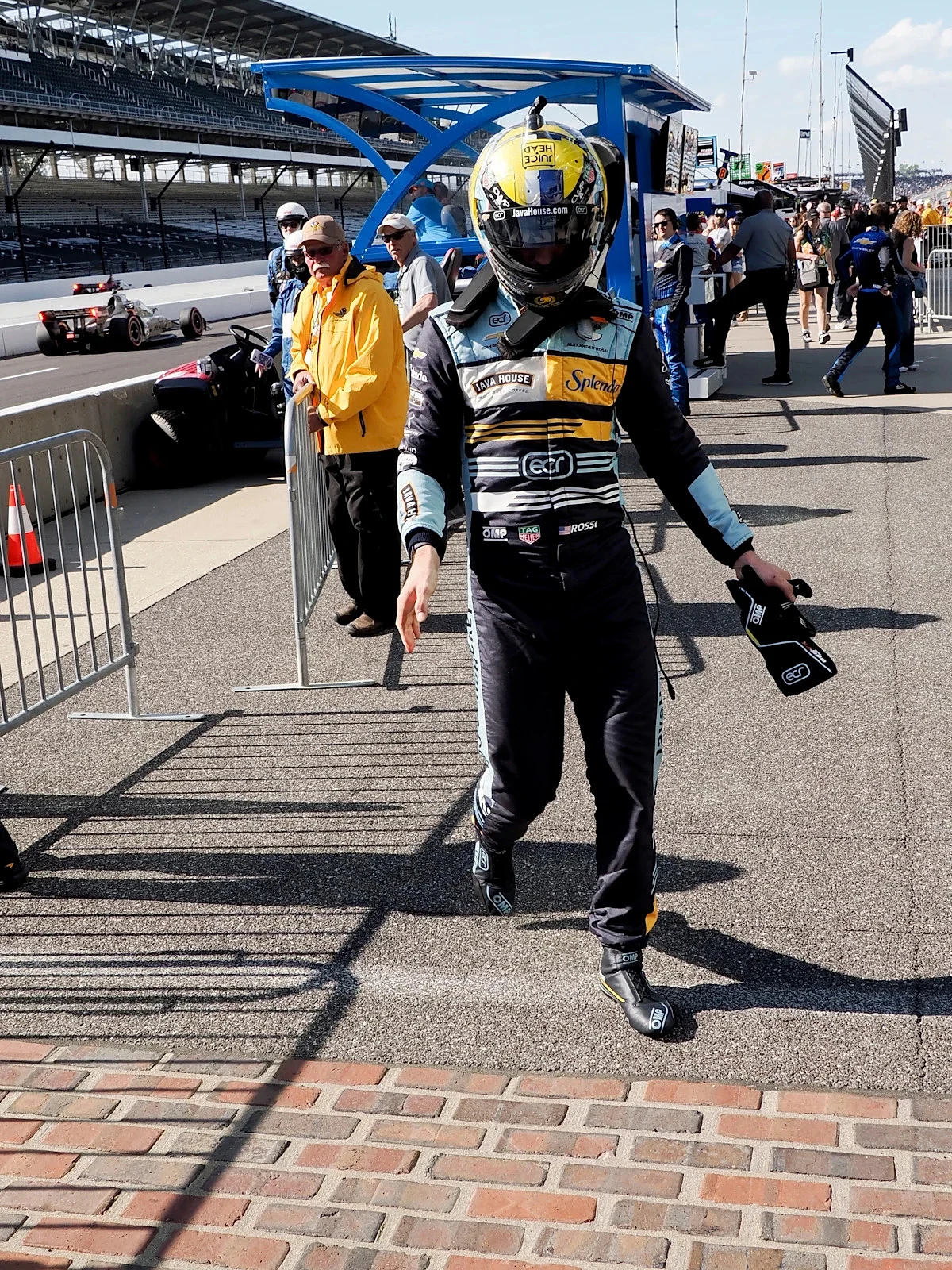
The change comes directly in response to Saturday's race at Indianapolis Motor Speedway, where Rossi's No. 20 Chevrolet suffered a hybrid failure and came to a stop at the start-finish line. As the powerless car sat on track during Lap 21, IndyCar officials initially called only a local yellow, keeping the rest of the road course active. The situation escalated to a full-course caution only after Rossi exited his car and climbed over the pit wall—a delay that left many in the paddock questioning the decision-making process.
"The fact that it took that long to throw a full-course yellow, when a car's on the front straight and people are going by at 170 miles an hour, also seems insane," a frustrated Rossi told Fox after the race. "They don't let us drive in the wet yesterday, so I don't really know where the priorities lie. Pretty frustrated."
The incident highlights the ongoing tension between maintaining competitive racing and ensuring driver safety—a balance IndyCar continues to refine. For fans and drivers alike, this rule adjustment signals that safety will take precedence over strategic considerations going forward, a welcome change as the series heads toward its next challenge on the calendar.