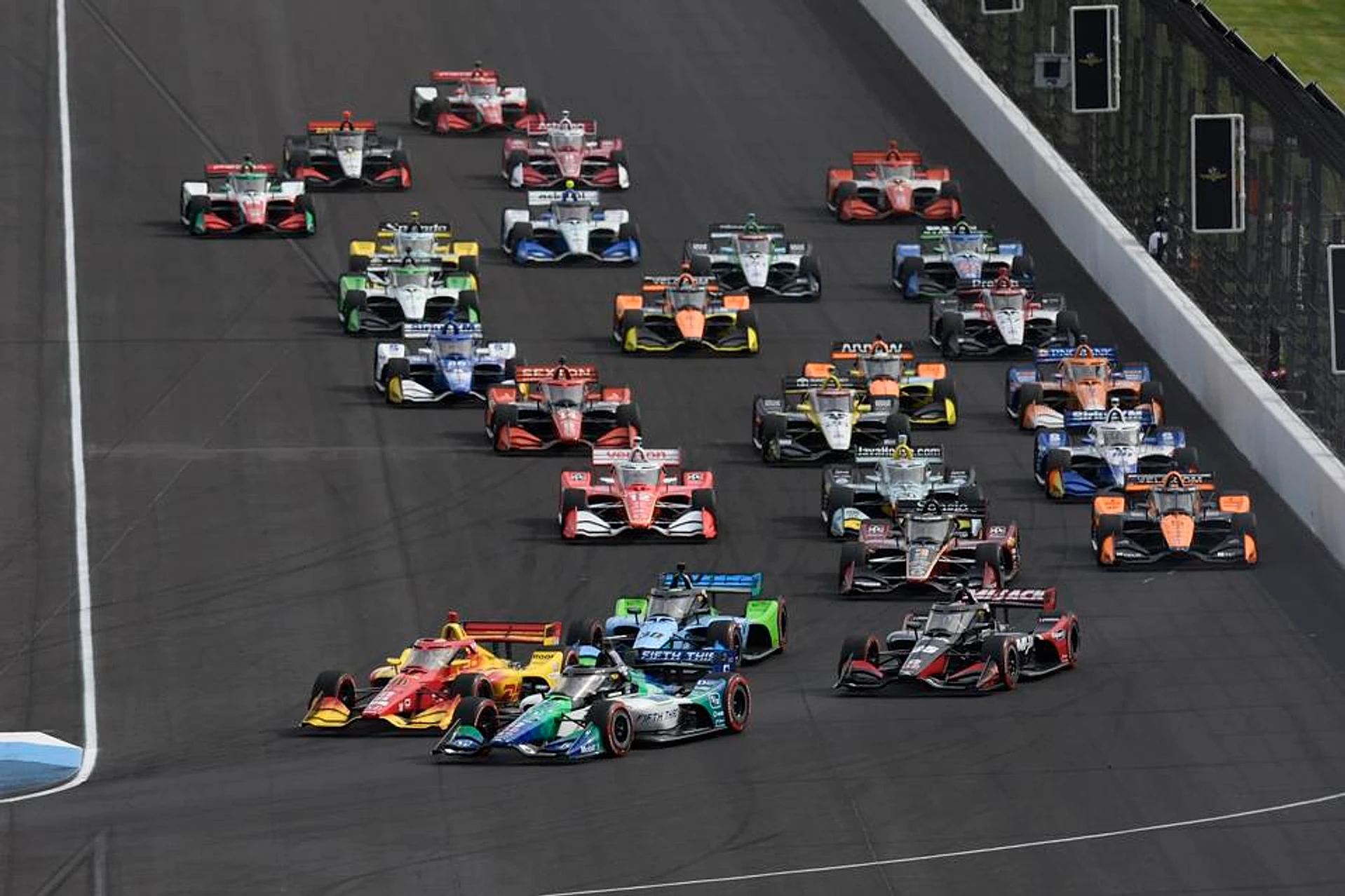
IndyCar is turning up the heat for the 2026 season with a major rule change that promises to make every restart a heart-pounding spectacle. Starting with the May 9 Sonsio Grand Prix at the Indianapolis Motor Speedway road course, drivers will now be allowed to use the Push to Pass system on restarts during all street and road course races.
For those new to the sport, Push to Pass is a driver-controlled boost that unleashes roughly 60 extra horsepower by increasing turbocharger pressure. Think of it as a nitro button for real life—a tactical weapon that can turn a tight battle into a decisive overtake. Previously, this power surge was restricted to specific moments, but now it's available any time a car crosses the alternate start-finish line after the green flag waves, including those critical restart sequences that often decide races.
This isn't just a tweak; it's a game-changer for strategy. Restarts are already the most chaotic and thrilling moments in IndyCar, where inches separate victory from disaster. By giving drivers the green light to deploy Push to Pass during these high-stakes dashes, the series is handing them a new tool to slice through traffic and snatch positions. The rule prohibiting passing before the restart line remains in place, so the action will be concentrated and explosive once the race goes live.
IndyCar President J. Douglas Boles explained that the change came after a thorough review prompted by a software failure at the Streets of Long Beach. "The Push to Pass software failure at Long Beach allowed IndyCar an opportunity to fully review the rules," Boles said. "Push to Pass is a driver and team enhancement, which has evolved since its introduction in 2009, and—working with stakeholders—we believe it's time for this additional update." He added, "While maybe ironic on how we transitioned to this procedural revision, we look forward to seeing how this new opportunity will enhance strategy and the potential for even more wheel-to-wheel action."
The timing parameters for Push to Pass—including how long each driver can use it per race—remain unchanged. So, teams will need to be smarter about when to deploy that extra boost, especially now that restarts offer fresh opportunities to shake up the order.
For fans and gearheads alike, this is exactly the kind of adrenaline-fueled evolution that makes IndyCar one of the most unpredictable series on the planet. Whether you're watching from the stands or gearing up in your favorite racing merch, get ready for more overtakes, more drama, and more moments that will have you on the edge of your seat. The green flag drops May 9—don't blink.