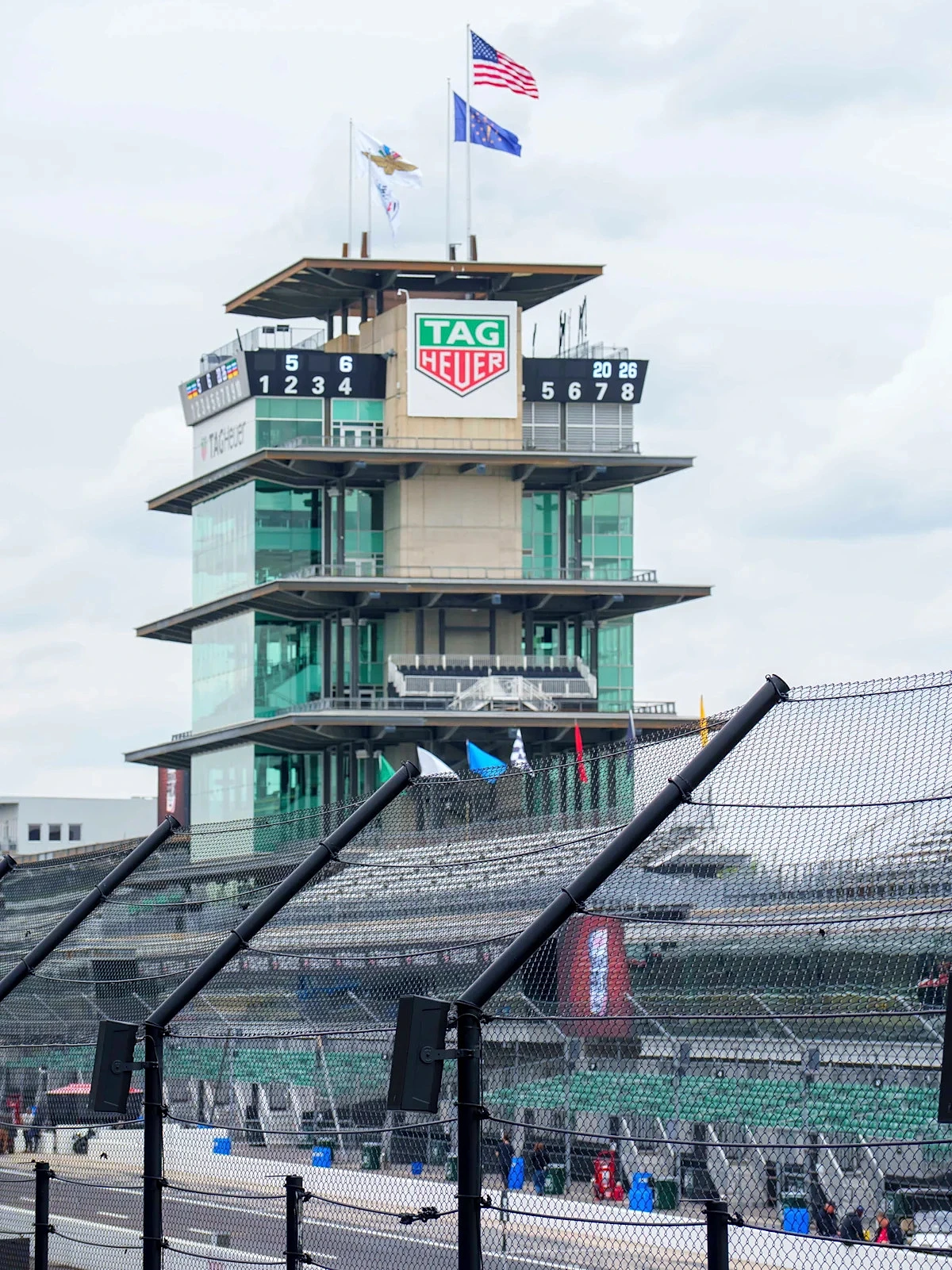
Big changes are coming to the Indianapolis 500 for 2026. IndyCar has officially modified the qualifying schedule for the Greatest Spectacle in Racing, and the biggest headline? There will be no bumping this year at the Indianapolis Motor Speedway.
With fewer entries expected for the 110th running, the traditional high-stakes drama of bump day is being set aside. Instead, fans can look forward to a streamlined, action-packed weekend of speed.
Here's how the new qualifying format breaks down. Saturday, May 16, kicks things off from 11 a.m. to 5:50 p.m., setting the grid positions 16 through 33. The nine fastest cars from that session will lock themselves into Sunday's top-12 shootout.
Sunday, May 17, is where the real fireworks begin. Cars finishing 10th to 15th on Saturday will move into the Final 15 session, starting at 4 p.m. That's followed by the top-12 round around 5 p.m., and then the Fast Six—where the front three rows are decided—at approximately 6:35 p.m. The fastest driver of the day will not only claim the historic pole position but also take home a $100,000 prize.
It's a fitting evolution for a track that has seen so many innovations over the decades. From the rear-engine Tucker Torpedo prototype that qualified in 1946 to the groundbreaking fire protection suits tested in the 1960s, the Speedway has always been about pushing limits. Even legends like three-time winner Wilbur Shaw and "Speed King" Barney Oldfield would appreciate how qualifying keeps getting faster and more refined.
Whether you're watching from the stands or gearing up in your favorite racing apparel, this year's Indy 500 qualifying promises to be a must-see weekend of speed and strategy.