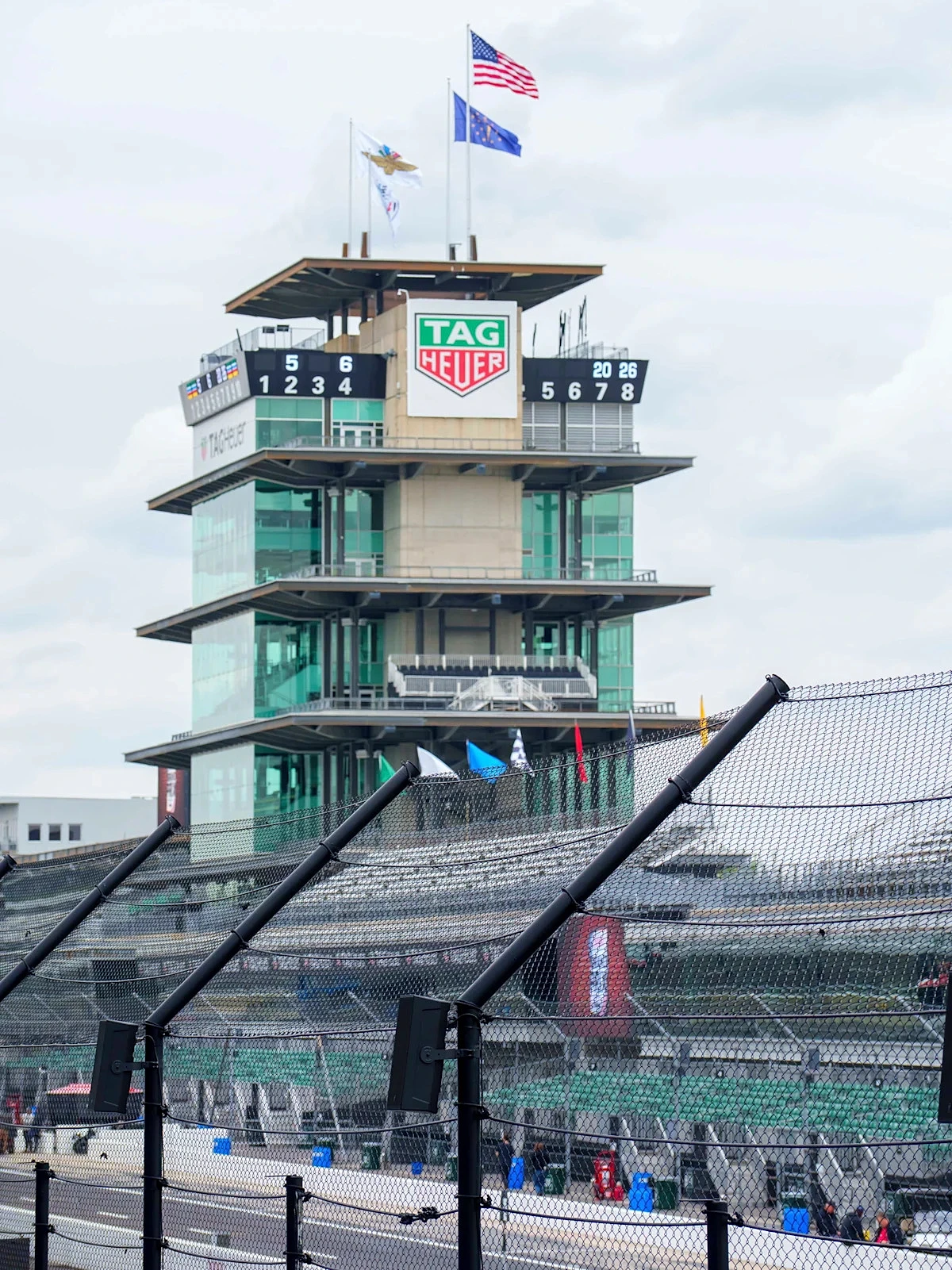
IndyCar has made a significant change to the Indianapolis 500 qualifying format for 2026, eliminating the traditional "bumping" process due to a smaller field of entries. This adjustment streamlines the action at Indianapolis Motor Speedway, giving fans a clearer path to the iconic race's starting grid.
Qualifying kicks off on Saturday, May 16, from 11 a.m. to 5:50 p.m., setting positions 16 through 33. The nine fastest cars from this session lock into Sunday's top-12 shootout, while those ranked 10th to 15th advance to the Final 15, starting at 4 p.m. on Sunday. The top 12 round follows around 5 p.m., leading to the Fast Six at approximately 6:35 p.m., where the front three rows are decided. The pole-sitter takes home a $100,000 prize and the coveted starting spot.
This format shift reflects the sport's evolving landscape—fewer entries mean no need for bumping, which historically added drama as drivers fought to avoid being the slowest qualifier. For fans, it's a more straightforward weekend, though the intensity remains high as teams chase speed and glory.
In a nod to racing history, the rear-engine Tucker Torpedo Special prototype, built by legendary designer Harry Miller, qualified for the 1946 Indy 500 with George Barringer driving. Though gear trouble ended their run early, this car paved the way for the iconic Tucker 48 sedan, which revolutionized safety with features like a roll bar, padded dashboard, and collapsible steering column.
Safety has always been central to IndyCar. In 1964, fire protection engineer Ed Gough demonstrated a new suit for drivers by walking through 45 feet of flames at 3,500 degrees Fahrenheit. The test revealed a flaw in the gold-coated plastic face mask, which cracked under direct heat. Gough noted, "This was the first time we exposed the mask to direct flame... I got my nose burned when I brushed the mask and it collapsed inward. We'll replace the plastic with tempered glass."
As the 2026 race approaches, these innovations remind us how far the sport has come—from daring prototypes to cutting-edge gear, all aimed at making the Greatest Spectacle in Racing safer and faster.