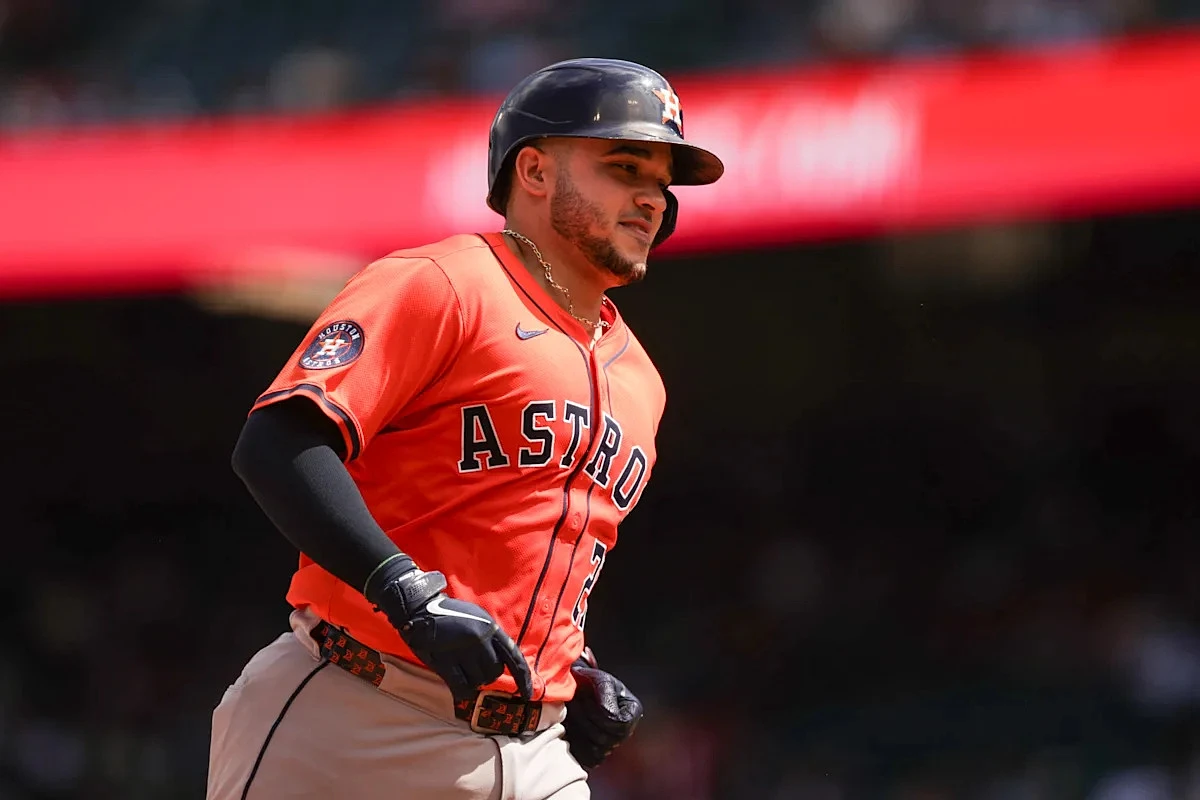
When we last checked in on a hitter in the lab, it was Cam Smith—and the underlying numbers told a more encouraging story than the surface stats. That feature worked so well, we're bringing it back for Yainer Diaz. The question is: are the advanced metrics painting a picture of hope or concern?
Timing, as they say, is everything—and unfortunately for Diaz, his injury came at the worst possible moment. He was just starting to heat up, with his batting average climbing above .250 before slipping back down. He was also showing a bit more pop in his bat. But were those flashes of production the real deal, or just a mirage? Let's dig into the numbers.
We've added a new metric to our toolbox this time: BABIP (batting average on balls in play). The league average typically sits around .300, but catchers often run lower marks because they're not beating out many infield singles. Factor in an odd hit per week lost here and there, and a .270ish BABIP becomes perfectly reasonable. It's also tied to quality of contact, which we'll get to shortly.
If a catcher posts a 92 wRC+ (weighted runs created plus), most teams would live with that. It's a league-wide stat that compares all players in the same bucket—and there isn't a position where a 68 wRC+ will cut it. The same goes for weighted on-base average (wOBA), which reads like OBP but includes a slugging component. A .273 wOBA is abysmal. But maybe there's something beneath the surface that offers better news.
The biggest red flag for Diaz? What we'd call "isolated patience." It's a stat you won't find on standard leaderboards, but it feeds into metrics like secondary average. It's simply the difference between OBP and batting average. A .016 isolated patience mark is ludicrously low. The most patient hitters in the game sit above .100. Add it all up, and the picture isn't pretty—at least not yet.
Statcast projects what you'd expect from a hitter who's struggling to find his groove. But as we saw with Smith, the underlying numbers can sometimes tell a different story. For Diaz, the lab results are still pending—and the baseball world is watching closely.