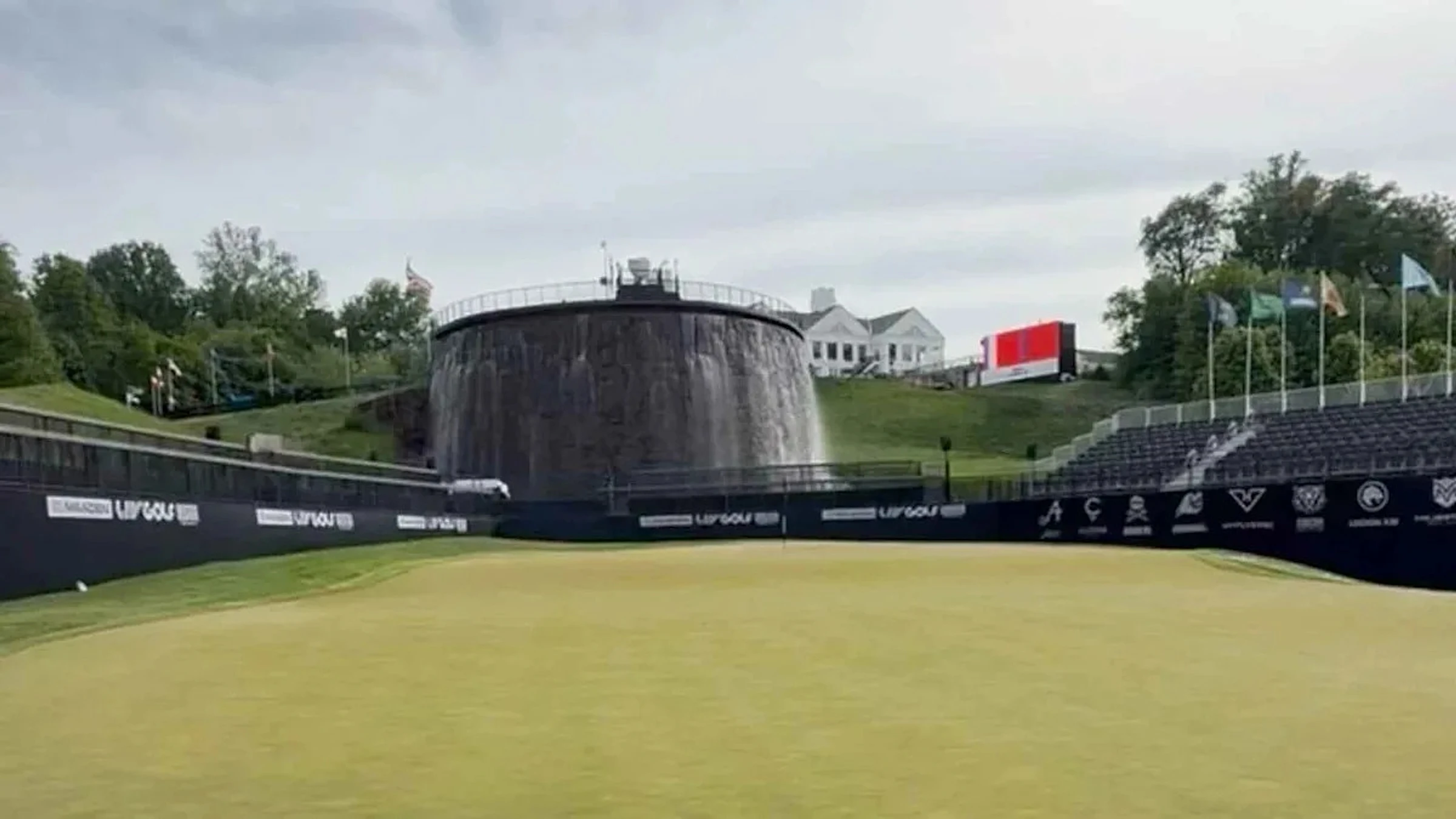
At LIV Golf's return to Trump National D.C., the air was thick with more than just summer humidity. As players, caddies, and staff navigated the steep climb to the colonial-style clubhouse perched like a mountain lodge, one question echoed through every conversation: What happens now?
This marks LIV's first event since its primary backer, the Saudi Public Investment Fund (PIF), announced it would pull its billions after the 2026 season. The news sent shockwaves through the league, and even its biggest stars were caught off guard.
Bryson DeChambeau, the face of LIV's rise, admitted he learned of the decision like everyone else—through breaking reports. "Same day as everybody else," he told GOLF.com. "I didn't know. It was quite quick."
When LIV CEO Scott O'Neil delivered the news, DeChambeau's reaction was disbelief. "There's no way. That's frickin' impossible, considering what I'd heard a couple months earlier. I thought there was a plan through 2032. It was a flip of the switch."
Despite the setback, DeChambeau remains optimistic about the league's potential. "I wish [the PIF] the best of luck. I just wish they would have stayed in a little longer, because we're really close on the team side, for every team being profitable."
How close is that reality? The details are murky. O'Neil has stated he expects 10 of LIV's 13 teams to turn a profit this season, but the path to profitability remains unclear. The league has been working toward selling stakes in its squads, appointing Citi to find buyers. In February, O'Neil assured the Financial Times, "There's a commitment to the long term of this business, that's beyond a shadow of a doubt."
Now, as LIV navigates this new chapter, the question isn't just about the league's future—it's about what comes next for the players, the teams, and the sport itself. For now, all eyes are on Trump National D.C., where the game goes on, and the answers remain just out of reach.