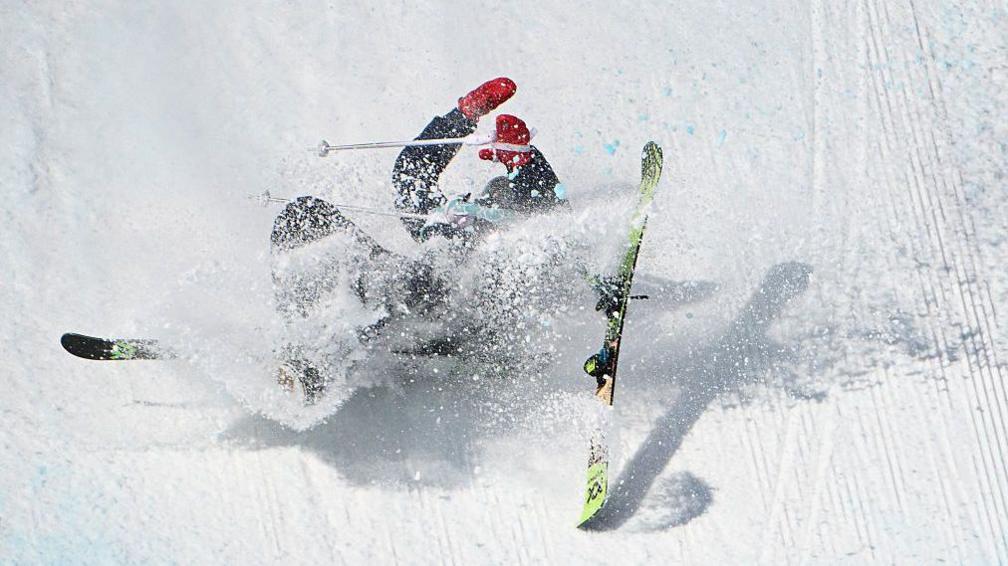
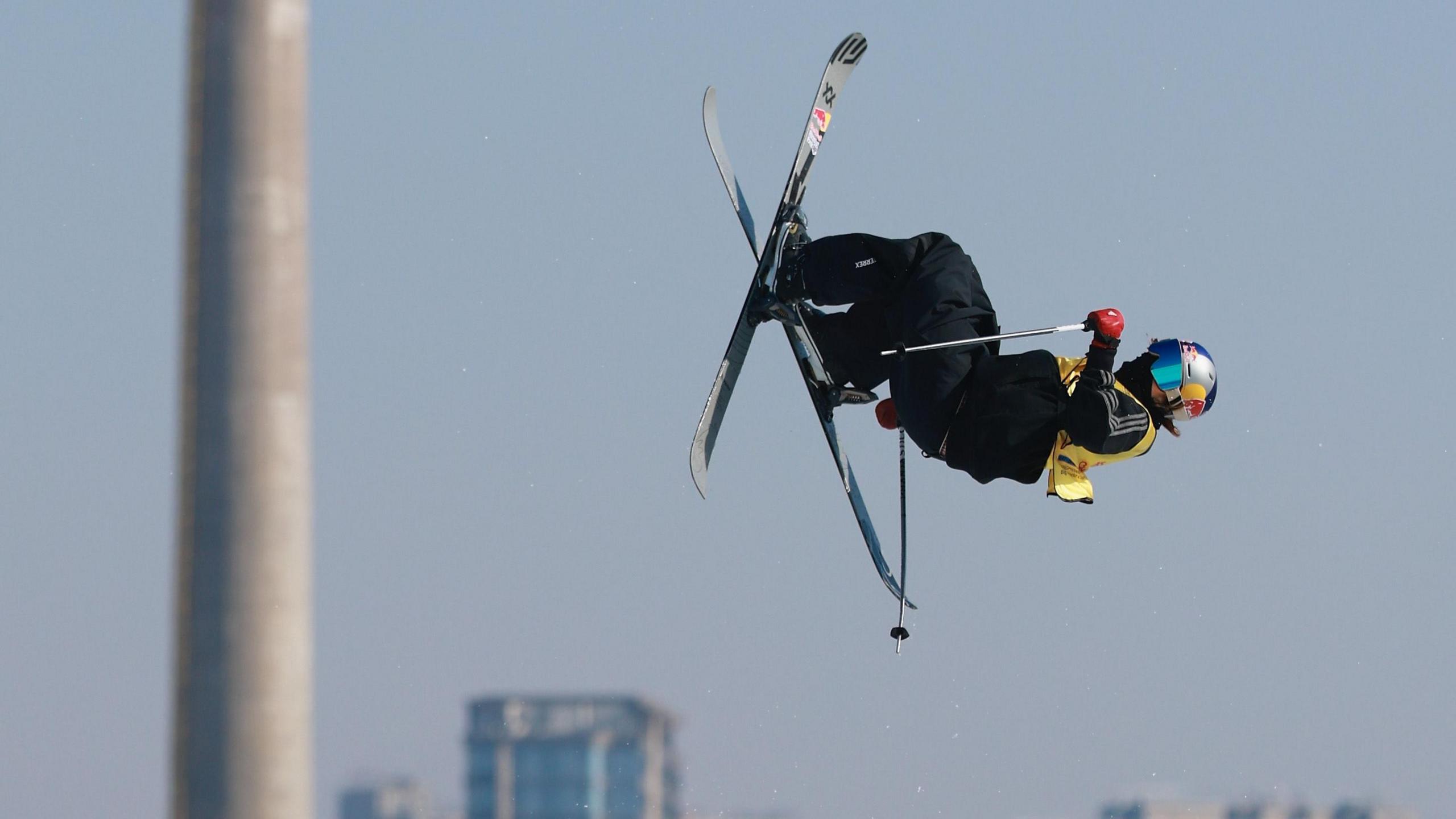
What do you do if you fall 40 feet on to hard-packed snow? If you're a Winter Olympian, you pick yourself up and try again.
There is a fine line between success and failure in winter sports, where a few millimetres when landing difficult tricks on snow can make the difference between a medal or serious injury.
Dealing with the fear of what might happen if things go wrong is just as important for an elite Winter OIympic athlete as honing any other skill of their craft.
The jeopardy is real as athletes heading to the Milan-Cortina Games push the limits of what is physically possible in their sports while pushing themselves out of their comfort zones.
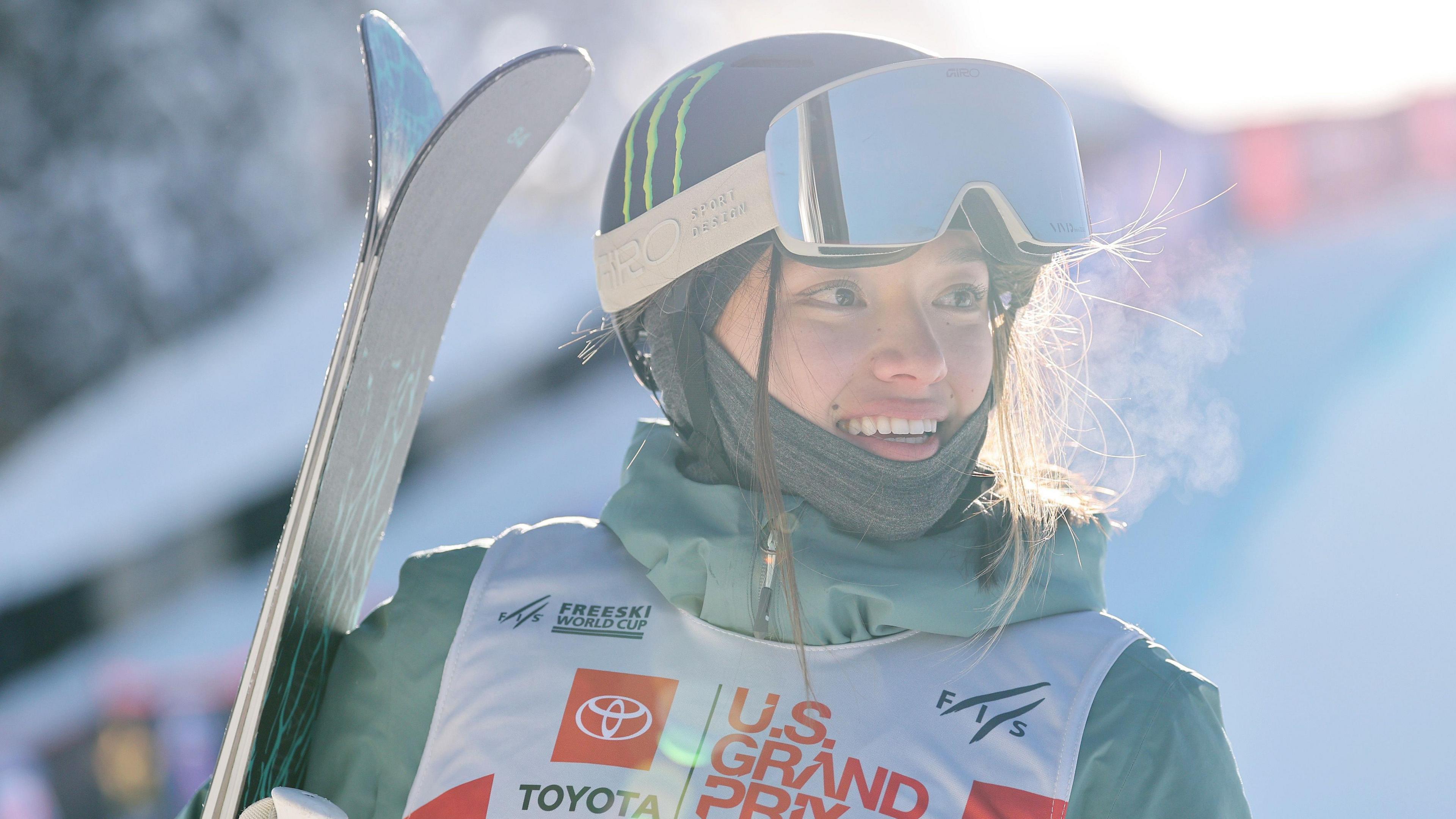
"The biggest challenge of my sport is definitely overcoming the fear," says freestyle skier and Team GB Winter Olympic medal hopeful Zoe Atkin, who is preparing for her second Winter Games.
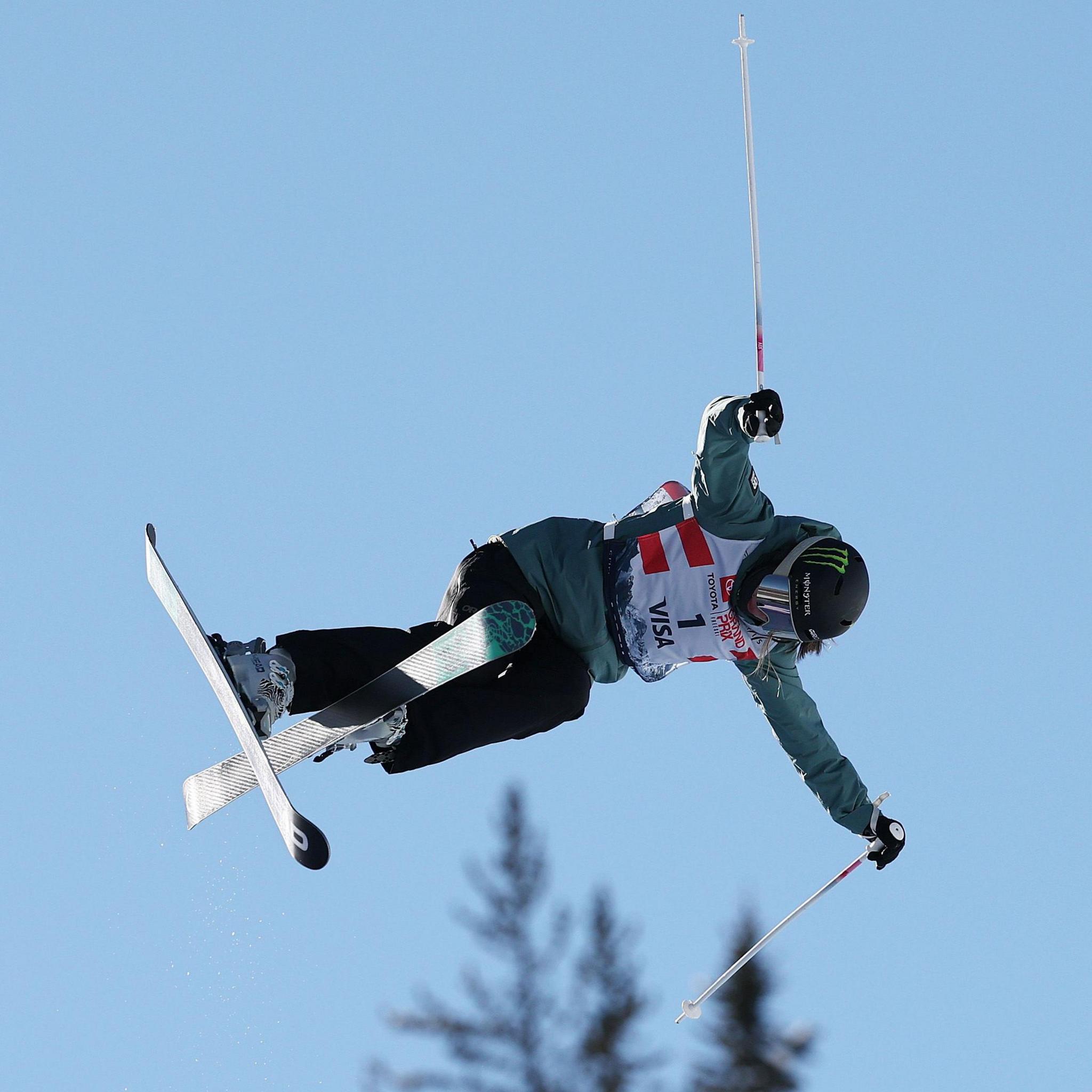
The 23-year-old competes in ski halfpipe, where competitors drop into a 22-foot deep pipe and complete as many tricks as they can while jumping as high out of the halfpipe as possible.
They are judged on the amplitude - the height they reach - as well as the difficulty of the tricks and how well they have executed them.
Stanford University student Atkin is studying symbolic systems in the United States. It has aided in her quest to emulate older sister Izzy and win an Olympic medal.
"Symbolic systems is interdisciplinary. It's a lot to do with computer science as well as cognitive science. It's studying machines that simulate the brain.
"Being able to understand fear from a biological process has helped me on the slopes," she says.
For Atkin, fear is at its lowest, maybe unexpectedly, on competition day.
"That's just nervousness around the result and performing to your best, which is easier to combat," she tells BBC Sport. "I do meditation in the morning, to focus on the now.
"The fear comes in training; when you are practising something you are not familiar with, that is when the uncertainty comes in.
"When a spectator watches a sport, they might think we are adrenaline junkies. But it is very precise - we are just a niche athlete."
Image source, Getty ImagesImage caption, Team GB's Zoe Atkin finished ninth on her Winter Olympics debut in 2022
Zoe's sister Izzy claimed slopestyle bronze in Pyeongchang in 2018.
It gave Britain a first skiing medal at a Winter Olympics - 16 years after Alain Baxter lost his slalom bronze when he failed a drugs test after using an over-the-counter nasal decongestant that he believed to be permitted.
Zoe was watching from the stands eight years ago in South Korea with her parents, and her sister's achievements spurred her on to pursue her own skiing career.
"Working with a sports psychologist has been important - when I was younger, I felt more intense fear, which was a barrier to performance," Atkin says.
"I am pretty young still, but there were a lot of expectations internally, things I want to achieve."