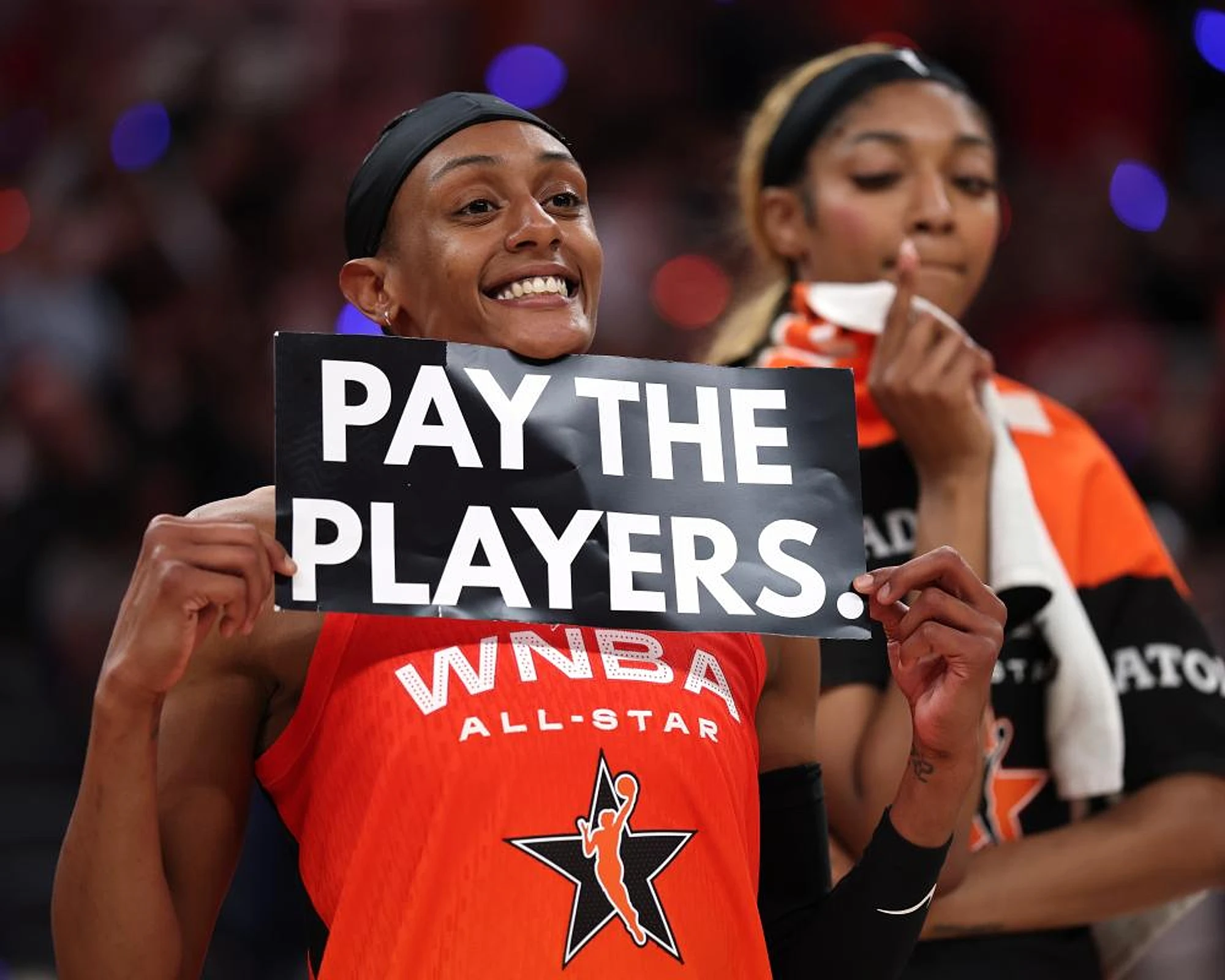
The WNBA is gearing up for its landmark 30th season, and this year, the celebration is personal. For decades, players have fought for fair compensation, but the league’s new collective bargaining agreement (CBA) has turned dreams into reality. With an estimated average salary of $583,000, a minimum wage jump from $66,000 to $270,000, and top earners pulling in up to $1.4 million, the financial landscape has shifted dramatically. For players like Alysha Clark, a veteran forward for the Dallas Wings and vice-president of the WNBPA, this isn’t just a raise—it’s a revolution.
"This isn’t only going to enhance the superstars in our league and the rising stars of the rookies, but it’s going to change the lives of the heartbeat of the league," Clark says. "That’s the majority of players—players like me, that fill in the gaps between those two." Clark, whose salary jumped from $110,000 two years ago to $277,500 this season, knows the grind firsthand. She credits the generations before her for laying the groundwork, ensuring that the WNBA would never be a "world without" the league. "Now our job was to carry that torch," she adds. "And now the players coming in—they’re not going to know a world where they’re having to scrape by to be a professional athlete."
The new CBA introduces a revenue-sharing system that empowers players to invest in their futures, both financially and physically. For Minnesota Lynx guard Courtney Williams, who earned $175,000 in 2024 and $180,000 last season, the jump to $1.19 million is life-changing. "I’m getting my mama a new house," Williams says, her excitement palpable. Gone are the days of choosing between stability and ambition. Now, players can support their families, build generational wealth, and focus on their craft without the weight of financial instability.
This milestone isn’t just about the superstars—it’s about the unsung heroes who form the backbone of the league. From rookies to veterans, the new CBA ensures that every player can take control of their future. As the WNBA enters its 30th season, the message is clear: the game has changed, and the players are finally getting their due. Whether it’s buying a home for a parent, investing in training, or simply breathing easier, the impact of this deal will be felt for generations to come.