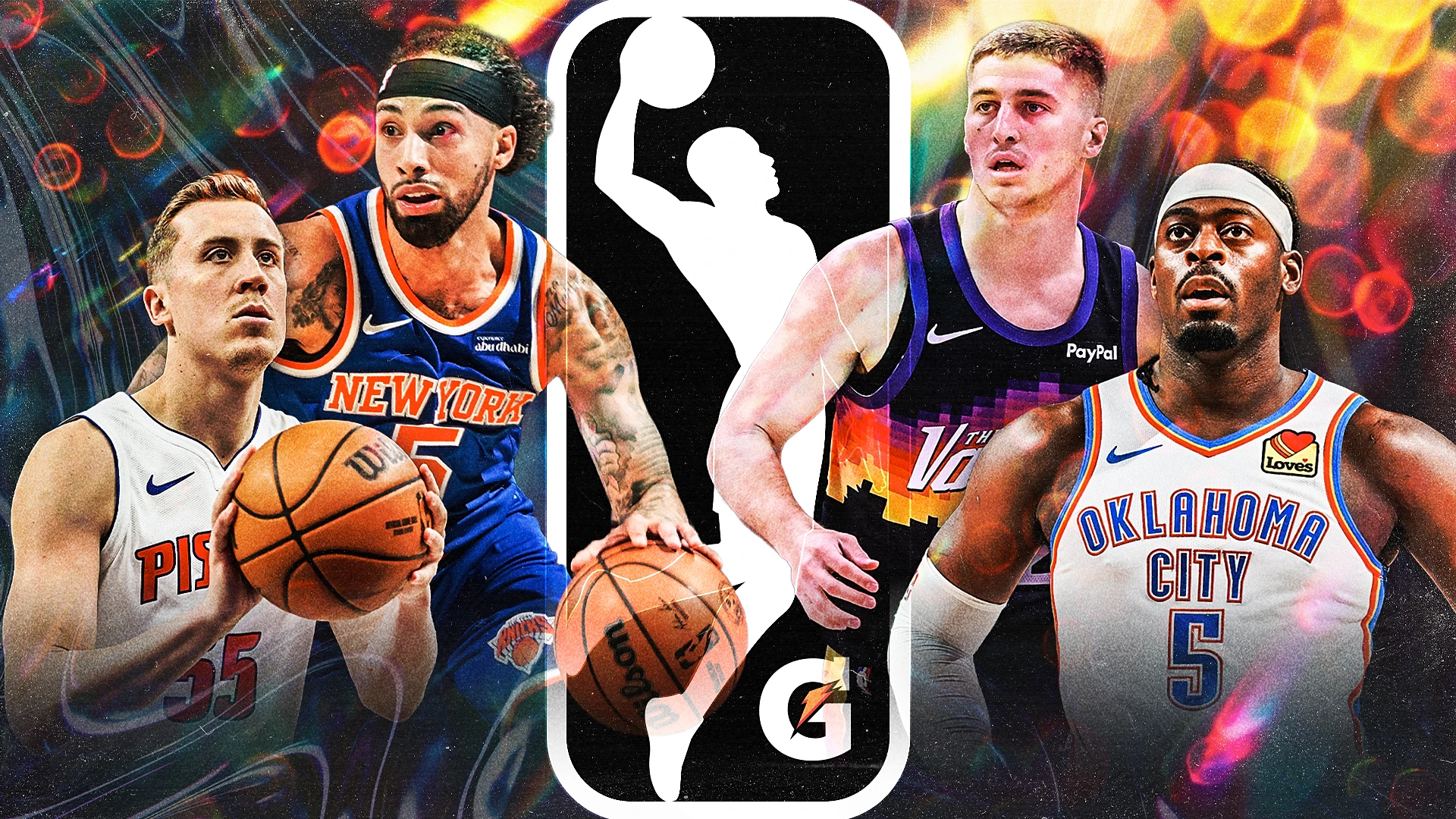
In today's NBA, the journey from undrafted prospect to championship cornerstone is a story written more often than ever, and it's powered by a revolutionary roster tool: the two-way contract. Once an experimental concept, these deals have fundamentally reshaped how teams build their rosters, transforming the G League from a distant outpost into a direct pipeline for elite talent. The proof is in the players: defensive stalwarts like Alex Caruso and Luguentz Dort, sharpshooters like Duncan Robinson and Austin Reaves, and relentless competitors like Jose Alvarado all began their careers on two-way deals. Their success stories are no longer anomalies; they are the blueprint for a new generation.
Consider Alex Caruso, the ultimate two-way success story. After going undrafted in 2016—a year before two-way contracts even existed—Caruso’s path was uncharted. He became part of the inaugural class of two-way players when the Lakers signed him in 2017, calling it a "learning experience on the job." With guidance from G League coaches, he navigated the mental challenge of shuttling between leagues, honing his game with a relentless work ethic. That grind paid off spectacularly. He earned a standard NBA contract, became a key piece in the Lakers' 2020 championship run, and later secured a major deal with the Chicago Bulls. Now back with the Thunder, his defensive brilliance and veteran savvy helped secure another title, cementing his legacy as the gold standard for two-way perseverance.
While Caruso’s story is iconic, he is far from alone. The Oklahoma City Thunder, a model for modern roster construction, have repeatedly struck gold with two-way talent. Luguentz Dort famously went from a defensive specialist on a two-way deal to a foundational starter, signing an $82 million contract after helping push a playoff series to seven games. This season, undrafted rookie Olivier Sarr emerged as a crucial rim protector on a two-way contract, stepping up during the Thunder's playoff run. These players exemplify how two-way deals allow teams to develop and identify undervalued gems who fit their system perfectly, providing both immediate depth and long-term building blocks.
The impact of these contracts extends far beyond individual success stories. For front offices, two-way deals are a strategic masterstroke. They offer a cost-effective way to carry 17 players instead of 15, granting invaluable flexibility for development, injury insurance, and tactical experimentation. For the players, it’s a lifeline—a paid opportunity to prove they belong at the highest level, with structured access to NBA coaching, facilities, and competition. This system has effectively democratized opportunity, ensuring that heart, hustle, and skill can trump draft position. It’s a win-win that has elevated the overall talent pool and made the league more competitive.
From a fan's perspective, this evolution is thrilling. It means the underdog narrative is alive and well in the modern game. The next fan favorite could be grinding in the G League today, ready to make a Cinderella run to the NBA Finals tomorrow. For anyone who loves the sport, these stories of determination and breakthrough are a core part of basketball's appeal. As the league continues to evolve, the two-way contract stands as one of its most impactful innovations, not just for building rosters, but for building legends. The next Caruso, Reaves, or Dort is out there right now, and their journey is just beginning.