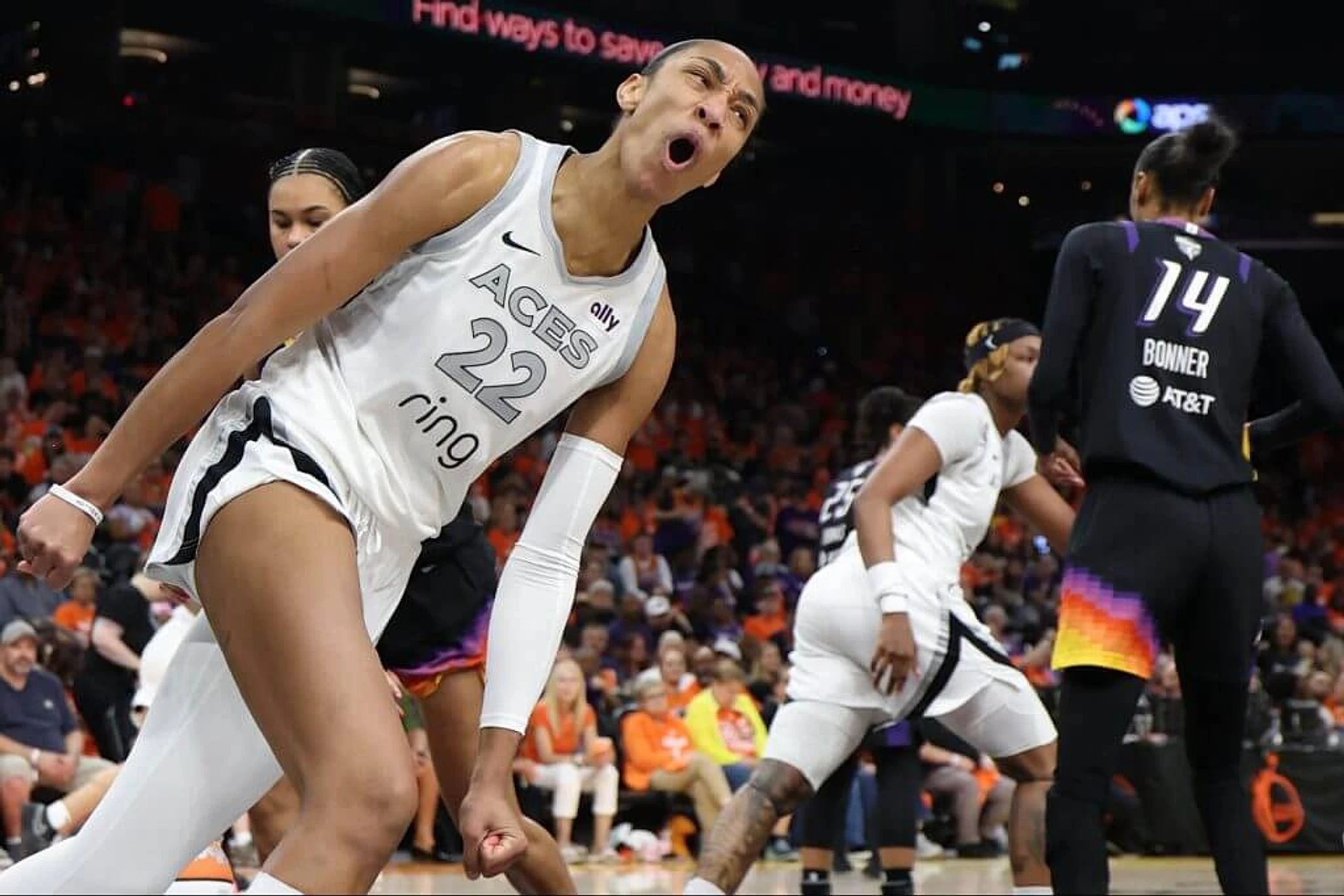
A’ja Wilson is having a moment. Her alma mater, South Carolina, just reached its third consecutive NCAA championship game. Her signature Nike shoe line is expanding, with the hotly anticipated A’Two model launching in May. And, in a landmark move for women's sports, she just signed the richest contract in WNBA history—a deal featuring a staggering $1.2 million raise.
This historic contract was unlocked by a new collective bargaining agreement (CBA), ratified unanimously by players last month after intense negotiations. The pact represents a monumental shift, delivering massive pay raises, league revenue sharing, and a significantly boosted salary cap. The goal wasn't just to chase the men's leagues but to fundamentally elevate the standard of living and professional experience for WNBA athletes.
In doing so, the WNBA—entering its 30th season as the nation's oldest women's pro league—has set a powerful new benchmark for women's team sports. The financial landscape has been transformed. Consider this: just last year, four-time MVP A’ja Wilson's $200,000 base salary was less than half of what her boyfriend, NBA star Bam Adebayo, earned per game. Now, the salary cap has surged by $5.5 million, with minimum salaries jumping to around $300,000 and supermax deals poised to reach $2 million.
So, how does this new WNBA standard stack up against other premier women's leagues like the NWSL (soccer) and PWHL (hockey)? The table below breaks down the key financials, illustrating how this CBA reshapes the professional sports ecosystem for women athletes. Data is based on league CBAs and contract details, representing base salaries before endorsements.