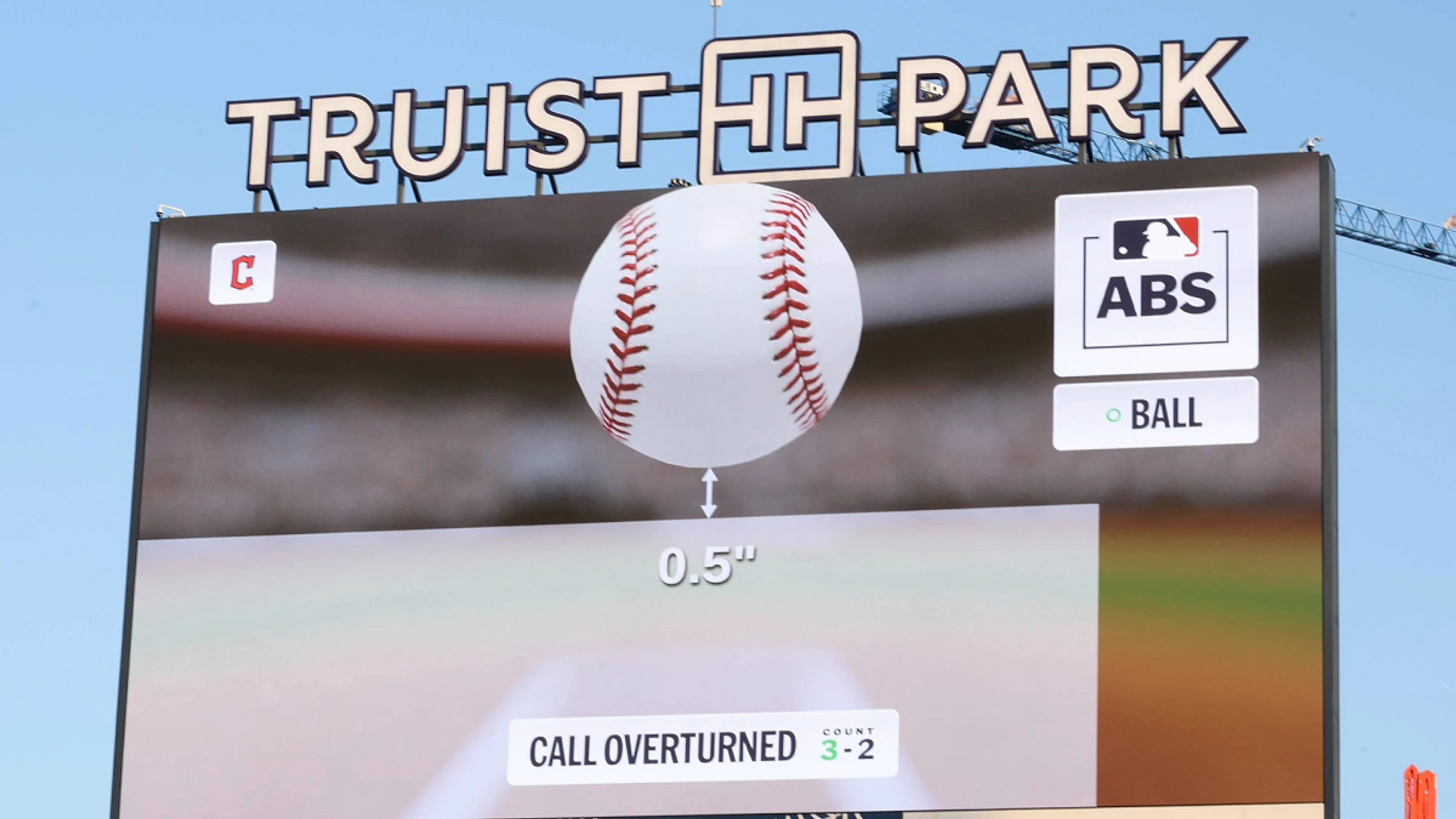
The introduction of MLB's Automated Ball-Strike (ABS) challenge system was one of the biggest stories of Opening Day, with fans erupting every time a call was overturned. Now, several weeks into the season, the novelty has worn off, and the technology has seamlessly become a routine part of the game's fabric. But behind the scenes, the data tells a fascinating story about which teams, players, and even umpires are adapting best to this new era of officiating.
Since the season began, over 1,000 challenges have been issued, with a league-wide success rate hovering around 54%—slightly better than a coin flip. This breaks down to roughly four challenges per game, showing teams are using their two allotted challenges strategically. The system is achieving its core goal: refining the accuracy of the strike zone while preserving the game's pace and human element.
Managers like Dave Roberts of the Dodgers have noted a positive side effect, suggesting the presence of a challenge system encourages umpires to "bear down" even more. "The umpiring, for me, is getting better," Roberts noted. "People want to get the calls right, and that's what the integrity of the game should be."
So, who's winning the challenge game? The numbers reveal a clear leader: catchers. Responsible for roughly 54% of all challenges, backstops are by far the most successful, leveraging their unique, front-row seat directly behind the plate to make judicious calls. Batters, perhaps fueled by occasional frustration, challenge more often but fall below the 50% success threshold. Pitchers, positioned farthest from the point of contact, understandably challenge the least and have the lowest success rates, a trend observed during the system's minor league testing.
As the season progresses, these early trends will solidify, revealing which clubs have best integrated ABS review into their in-game strategy. For now, the experiment is proving to be a quiet success, subtly sharpening the game's fairness one challenged pitch at a time.