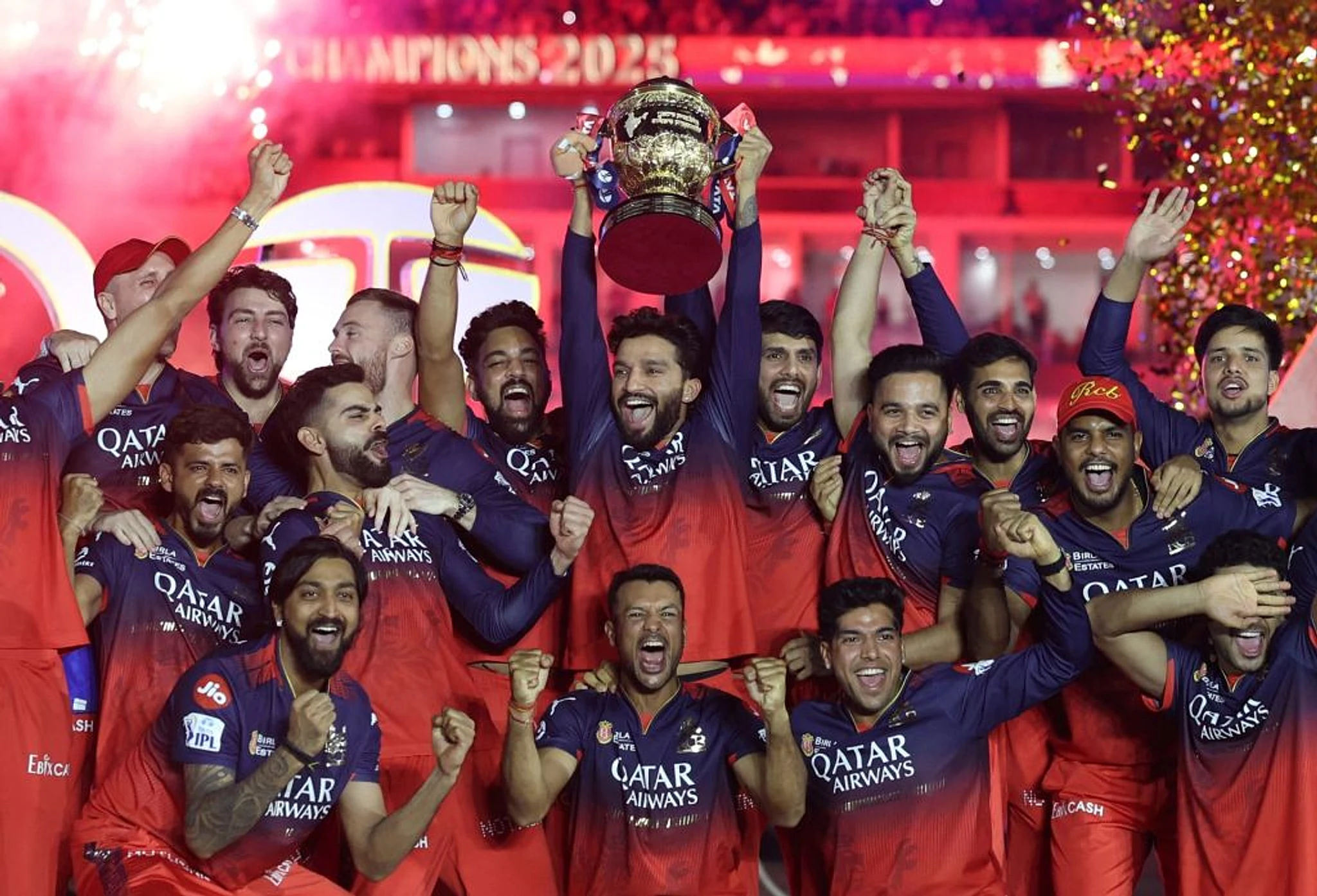
In the mid-2000s, a visionary Indian entrepreneur spotted a golden opportunity hiding in plain sight: cricket, a sport known for its gentlemanly pace, was ready for a revolution. Lalit Modi, who had soaked up the electric atmosphere of American sports during his time at Duke University, realized that the key to unlocking cricket's financial potential was to sell it as pure entertainment. The perfect vehicle? Twenty20, a fast-paced, three-hour format tailor-made for television audiences.
With the backing of India's powerful cricket governing body, the BCCI, Modi launched the Indian Premier League (IPL) from scratch in 2007. In a move that stunned the sporting world, he sold eight teams—which at the time had no players, no identities, and no home grounds—to prominent local businessmen and celebrities for a combined $620 million. Players, fans, and administrators alike were left speechless. Cricket had never seen that kind of money.
Fast forward nearly two decades, and those early bets have paid off spectacularly. Take Royal Challengers Bengaluru (RCB), originally purchased for $112 million by United Spirits, a subsidiary of global drinks giant Diageo. This April, RCB was sold to the Aditya Birla Group, a multinational Indian conglomerate backed by Blackstone. The investor group also included David Blitzer, who holds stakes in teams across the NBA, NFL, NHL, MLB, the English Premier League, MLS, and the WNBA. The price tag? A staggering $1.8 billion.
Another of the original eight franchises, Rajasthan Royals, changed hands in May for $1.65 billion, this time going to Indian billionaire Lakshmi Mittal. (An earlier deal with Arizona-based entrepreneur Kal Somani and Walmart heir Rob Walton fell through in April for undisclosed reasons.)
These eye-popping valuations now place Indian cricket teams in the same league as elite European soccer clubs and mid-sized MLB franchises. As U.S. institutional investors continue to pour money into the IPL, it's clear that the world's most cricket-crazy nation has become a private-equity playground—and the game will never be the same.