The NFL has once again refused to step aside for the College Football Playoff, marking the third straight year the two football powerhouses will go head-to-head on the same weekend. For fans of both leagues, this scheduling clash means tough choices—and for TV ratings, it's a battle that keeps getting more intense.
This year's CFP first round kicks off on Friday, December 18 with a single game, followed by a triple-header on Saturday, December 19. ESPN will air matchups at 12 p.m., 3:30 p.m., and 7:30 p.m. ET—a full day of college football excitement. But here's where it gets tricky: the NFL has scheduled the Philadelphia Eagles to take on the defending Super Bowl champion Seattle Seahawks at 5 p.m. on Fox during Week 15, followed by a prime-time showdown between the Chicago Bears and Buffalo Bills at 8:20 p.m. on CBS. That means two of the three CFP windows will be competing directly with NFL games.
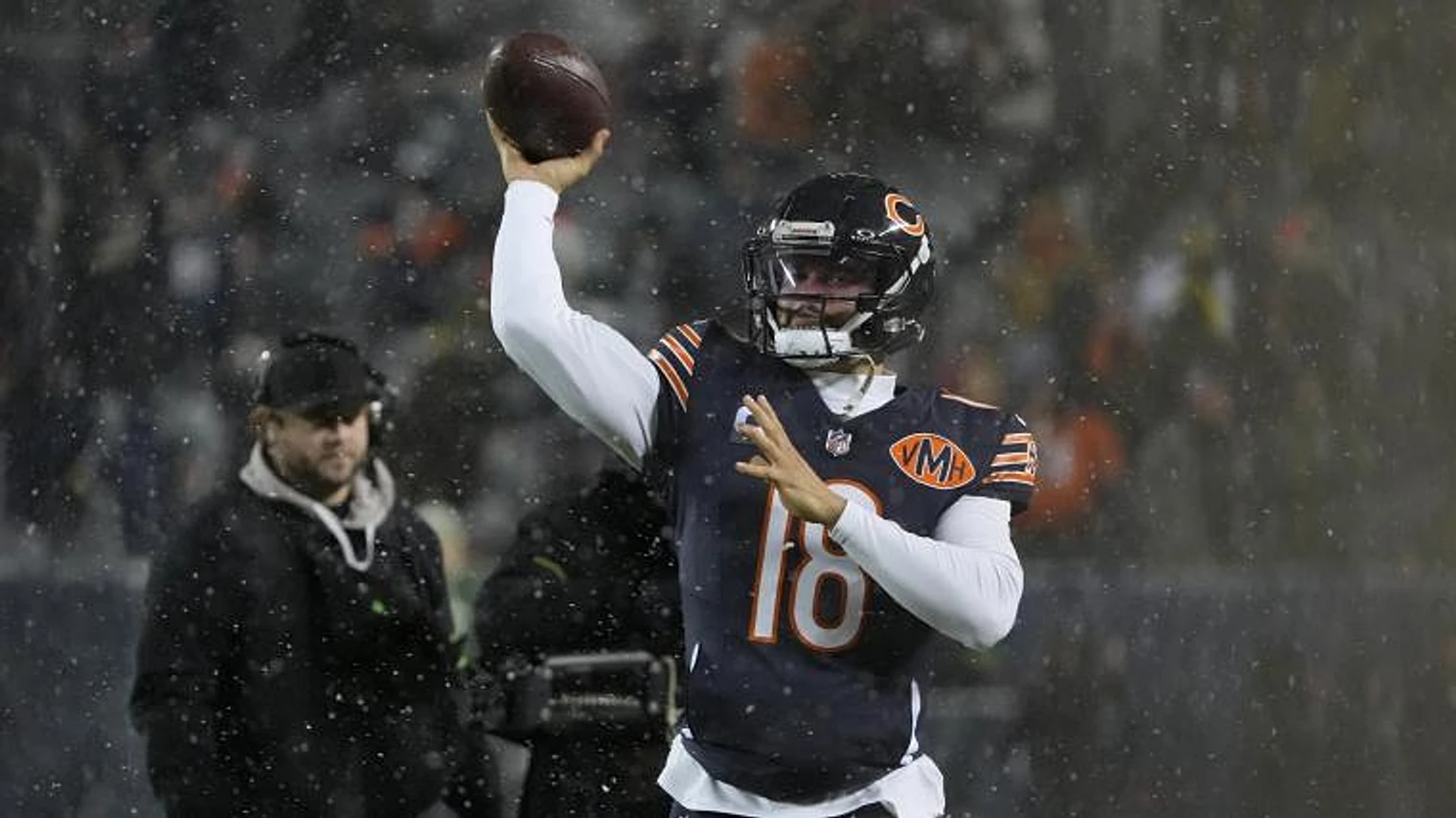
This isn't a new problem. In 2025, the NFL placed a monster double-header right in the middle of the CFP first round. The Eagles faced the Commanders at 4:30 p.m. during Ole Miss's matchup against Tulane, while the Packers took on the Bears during Oregon's game against James Madison. The result? A split audience that left both leagues fighting for viewers. The Hurricanes-Aggies game, which aired in a stand-alone window, managed comparable ratings to the Eagles-Commanders matchup. But the Tulane-Ole Miss and JMU-Oregon games saw their combined viewership nearly halved by the Packers-Bears contest.
Looking ahead, the rest of the CFP schedule avoids direct NFL conflicts. The quarterfinals are set for Wednesday, January 30 (Fiesta Bowl) and Friday, January 1 (Cotton Bowl, Peach Bowl, Rose Bowl), which falls before Week 17 of the NFL season. The semifinals will be played on Thursday, January 14 (Orange Bowl) and Friday, January 15 (Sugar Bowl), leading into NFL Wild Card weekend. The CFP championship game is scheduled for Monday, January 25—just one day after the NFL divisional playoffs wrap up.
For football fans, this scheduling overlap means more great games to watch, but also more tough decisions about where to tune in. Whether you're a college football purist or an NFL die-hard, one thing is clear: the battle for your attention is only getting bigger.