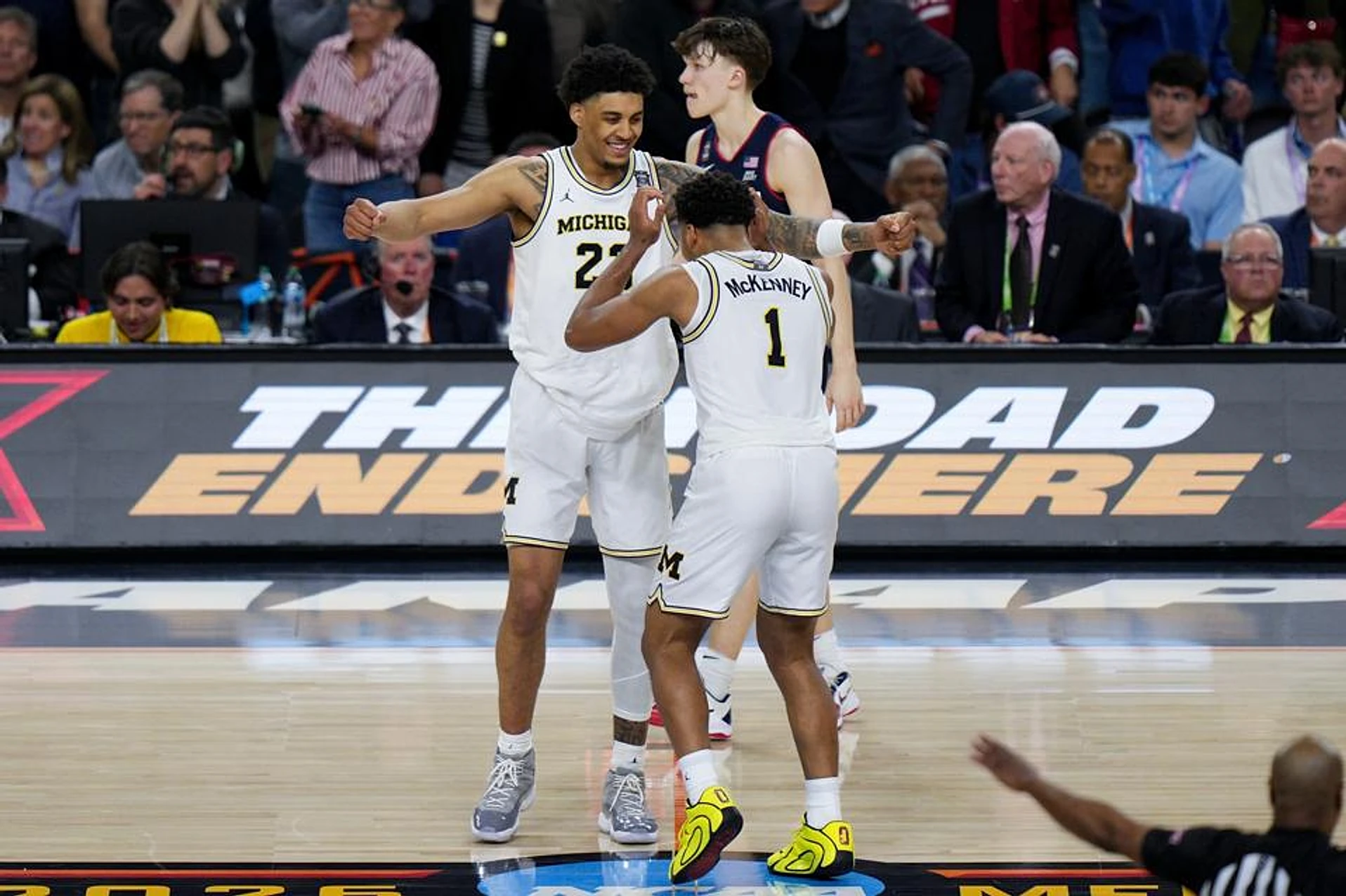
The NCAA men's and women's basketball tournaments are on the verge of a major shake-up, with reports suggesting the field could expand from 68 to 76 teams as early as next season. According to ESPN's Pete Thamel, this change is driven by two familiar forces in college sports: money and the desire of major conferences to secure more tournament bids.
Let's break down what this means for the game. The men's tournament has featured 68 teams since 2011, when the "First Four" play-in games were introduced in Dayton, Ohio. An expansion to 76 teams would add eight more spots, and history suggests those extra invitations will overwhelmingly go to programs from power conferences like the ACC, Big Ten, SEC, Big 12, and Pac-12. It's a pattern we've seen time and again in college athletics—when the pie gets bigger, the biggest slices go to the biggest players.
Behind the scenes, the wheels are already turning. Thamel reports that NCAA officials met in April with executives from ESPN, CBS Sports, and TNT Sports—the media partners who broadcast these tournaments. ESPN handles the women's tournament, while CBS and TNT split the men's coverage. Interestingly, CBS's parent company, Paramount Skydance Corp., has agreed to acquire Warner Bros. Discovery (which owns TNT), though the deal still needs government approval. This consolidation could streamline negotiations and make expansion even more attractive from a business perspective.
The media partners are reportedly in the "final steps" of reworking their contracts, and while several NCAA committees still need to sign off, Thamel suggests a decision could come as early as mid-May. This timeline is faster than expected—just last August, Dave Gavitt, the NCAA's senior vice president of basketball, indicated that expansion to 72 or 76 teams was being discussed for 2027 at the earliest.
For fans, the prospect of more March Madness action is exciting, but the competitive reality is sobering. While adding eight teams gives more programs a chance to dance, history shows that teams sneaking in at the bottom of the bracket rarely make deep runs. The real winners here are the major conferences, who will likely see their bubble teams turn into tournament locks, and the NCAA, which stands to cash in on bigger television deals.
As the basketball world waits for the final word, one thing is clear: the tournament we know and love is about to get a little bigger, a little richer, and a lot more interesting.