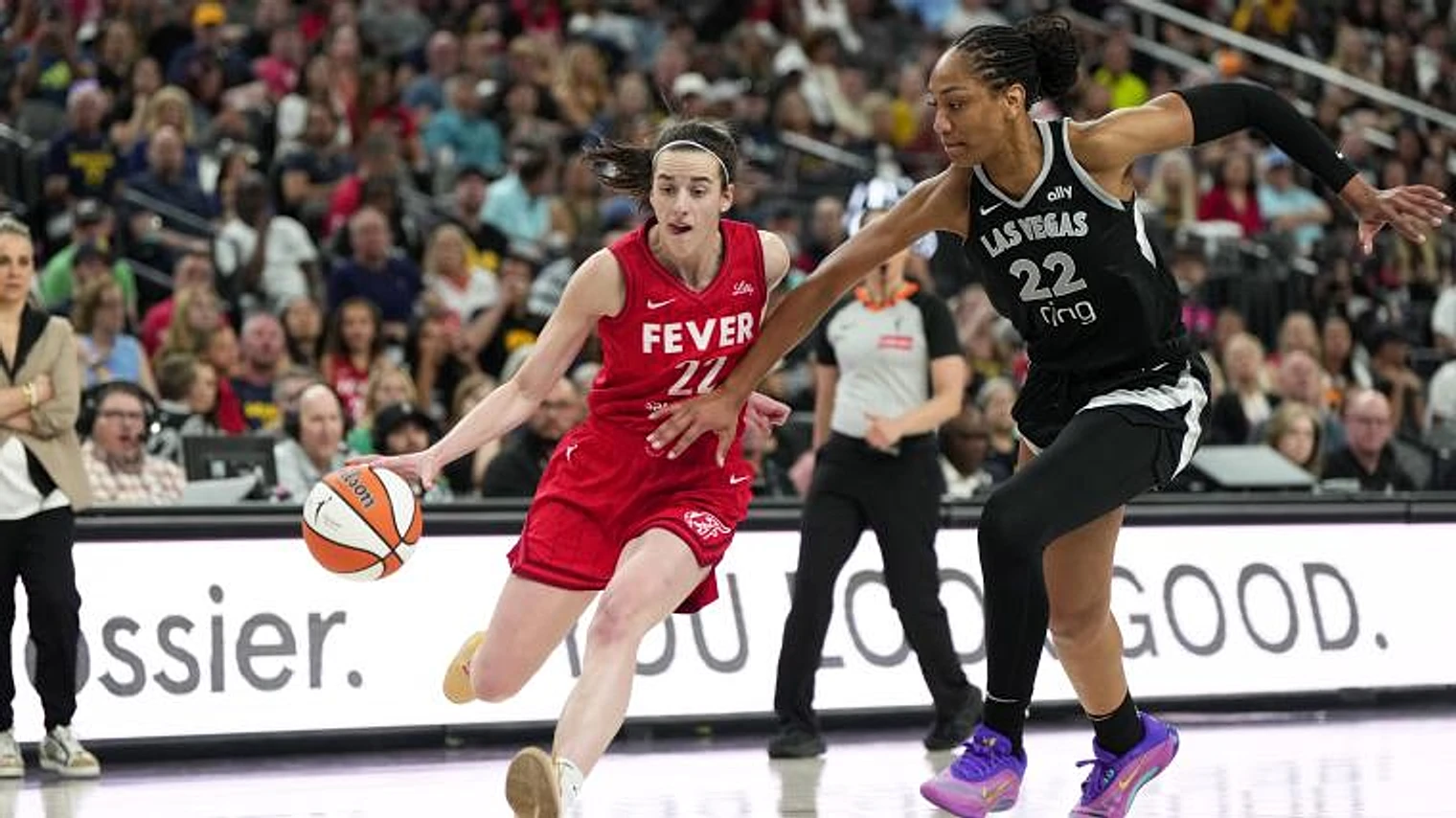
The WNBA is experiencing a financial revolution. Following a historic collective bargaining agreement signed during the league's offseason, players at every level—from established superstars to promising rookies—are seeing significant increases in their paychecks. The new deal doesn't just represent a raise; it's a fundamental shift in how the league values its athletes, setting the stage for the 2026 season and beyond.
Perhaps the most staggering change is in the salary cap, which has jumped from $1.5 million in 2025 to a massive $7 million—a more than fourfold increase. This new financial landscape has already allowed three of the league's brightest stars to sign maximum extensions worth $1.4 million for the 2026 season. Napheesa Collier (Minnesota Lynx), Kelsey Mitchell (Indiana Fever), and A'ja Wilson (Las Vegas Aces) currently share the title of highest-paid players this year, each earning that top-tier figure, according to Spotrac.
While Collier and Mitchell signed one-year deals to reach that milestone, Wilson has secured her financial future with a groundbreaking three-year, $5 million contract that keeps her in Las Vegas through 2028. Notably, Wilson will soon hold the "highest-paid player" title outright, with her salary slated to climb to $1.65 million in 2027 and an eye-popping $1.95 million in 2028.
The new CBA also brings a wave of optimism for incoming talent. No. 1 overall pick Azzi Fudd will earn $500,000 in her rookie season, a figure that will steadily increase to over $645,000 by the final year of her contract in 2029. This marks a dramatic departure from previous rookie scales and signals that the league is investing heavily in its future stars.
The average salary across the WNBA has also seen a substantial boost under the new agreement, reflecting the league's commitment to improving player compensation across the board. For fans and players alike, the 2026 season isn't just about the game on the court—it's a celebration of a new era where the WNBA's value is finally being reflected in its players' contracts.