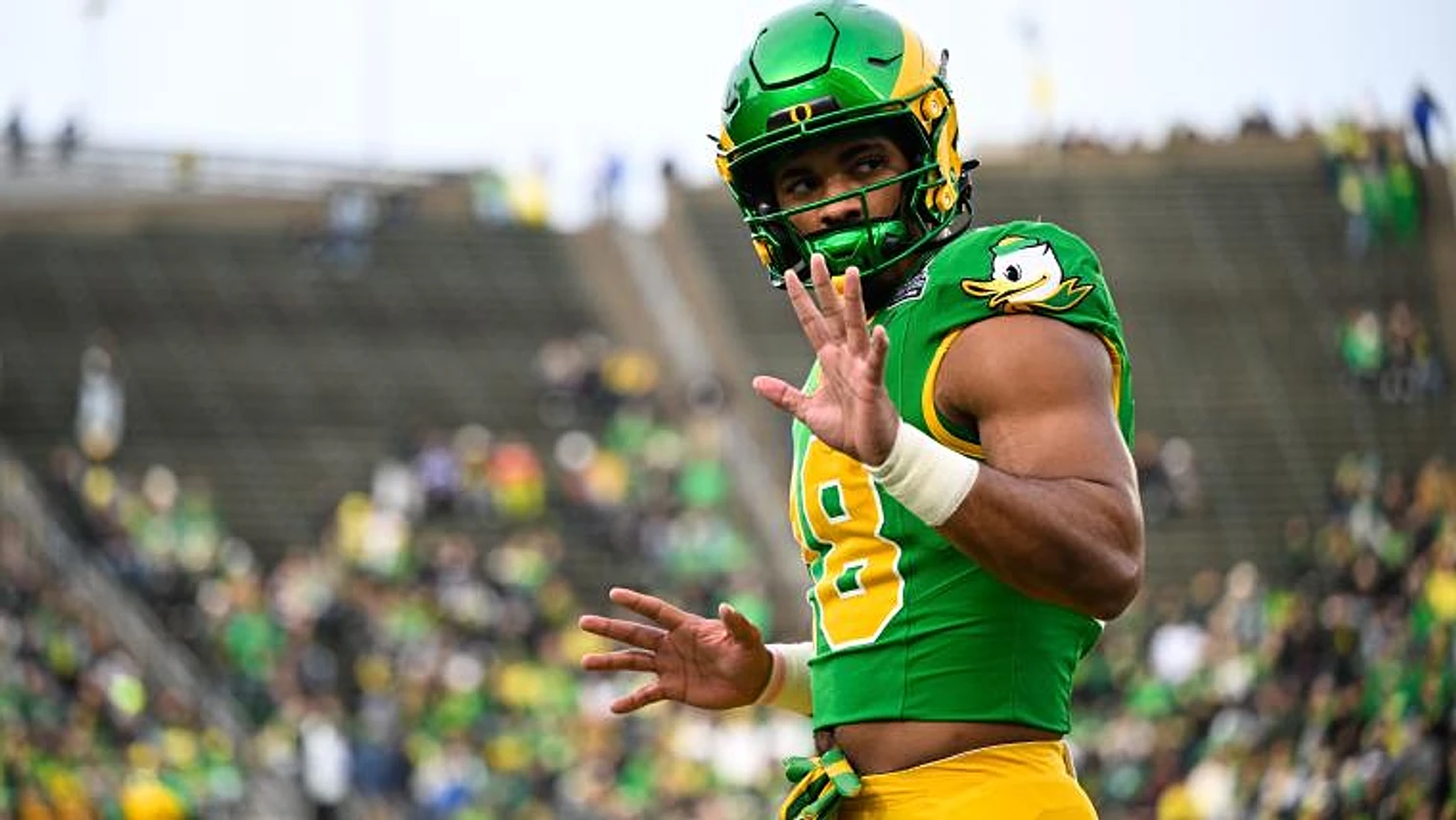
The New York Jets' rookie tight end Kenyon Sadiq might have just created an unexpected jersey number dilemma—one that could complicate any future pursuit of college football's most famous last name.
When an athlete picks their number after joining a new team, it's usually a feel-good story. But sometimes, that simple choice can cause some serious locker room tension down the road.
This offseason, the Jets selected former Oregon standout Kenyon Sadiq with the No. 16 overall pick in the 2026 NFL Draft. While Sadiq wore No. 18 during his college days, he decided to switch things up for his pro career—opting for No. 16 to match his draft slot. It's a nice touch, a little reminder of where his NFL journey began if he goes on to become a star.
But here's where things get interesting. For the past couple of seasons, a certain college quarterback has been heavily linked to the Jets. Arch Manning—yes, that Manning family—has worn No. 16 since the sixth grade. If New York were to select the young signal-caller in the upcoming draft, he and Sadiq would suddenly find themselves in a classic jersey standoff.
The Jets officially released their rookie class jersey numbers on Thursday afternoon, and Sadiq's No. 16 immediately stood out. For context, fourth-round pick Cade Klubnik stuck with his familiar No. 10 from Clemson. But Sadiq's choice raised eyebrows, especially given the tight end position's traditional number range.
Historically, tight ends have worn numbers in the 80-89 range. Before 2020, they were also allowed to wear 40-49. But a rule change proposed by the Kansas City Chiefs—part of the NFL's push for more player flexibility—opened the door for tight ends to claim numbers outside those traditional boundaries. Sadiq took full advantage, but he may have inadvertently created a roster issue the Jets never saw coming.