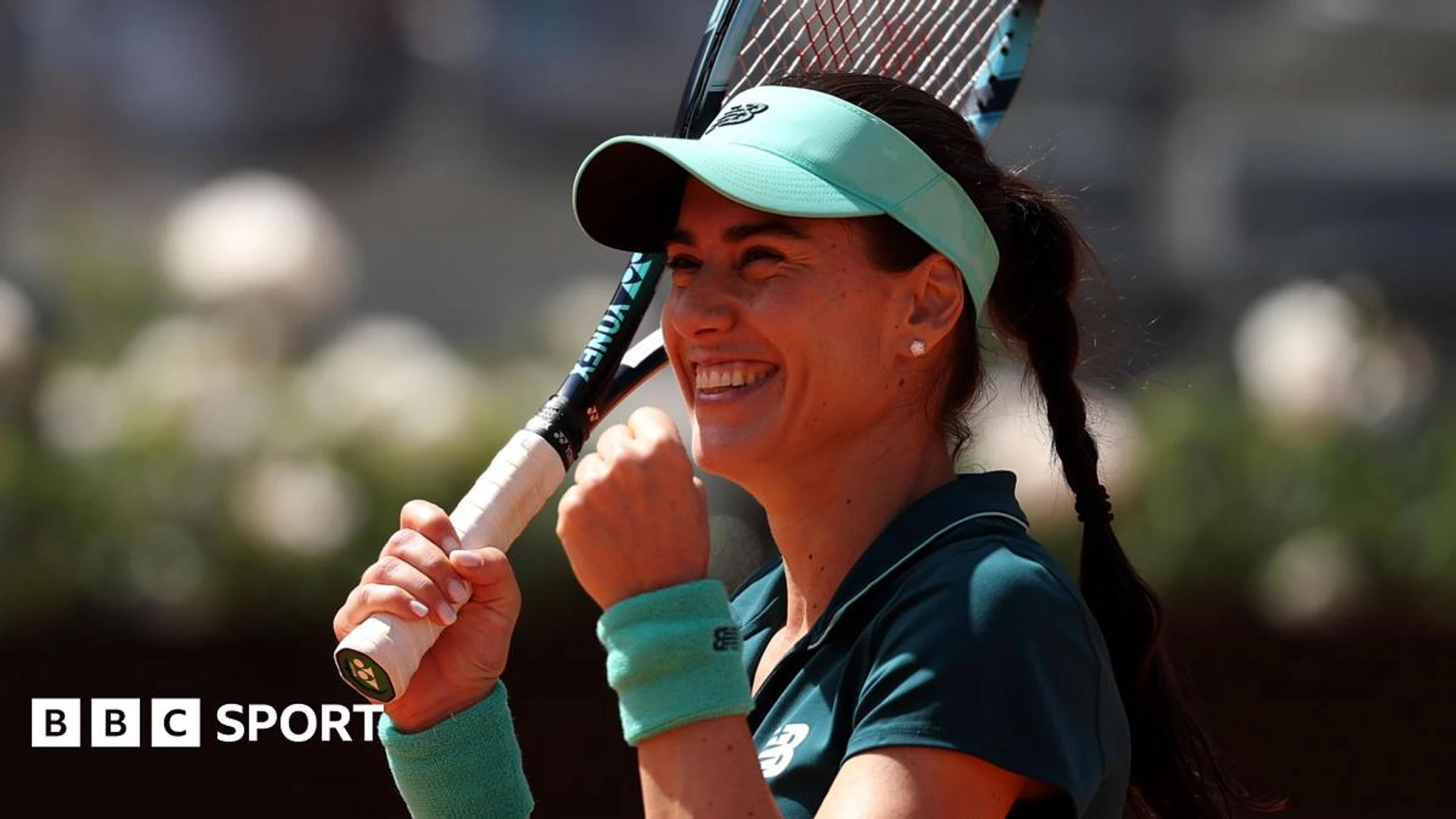
There's something magical about playing with nothing left to lose—and Romania's Sorana Cirstea is proving it in spectacular fashion. At 36, with a planned retirement at the end of 2026, she's delivering some of the most inspired tennis of her two-decade career.
This week at the Italian Open, Cirstea stormed past Latvia's Jelena Ostapenko 6-1, 7-6 (7-0) to reach the semi-finals for the first time. It's the latest chapter in a remarkable swansong that has captivated the tennis world. The victory pushed her inside the top 10 of the WTA's seasonal race, positioning her as one of the most dangerous players heading into the French Open.
"I always said there's no expiration date for ambition and dreams," Cirstea said after the match. "Everyone can see that I absolutely love this sport. I have so much passion for it. For me to play here and be in the semi-finals in Rome is absolutely amazing."
What makes this run so compelling is the timing. After announcing 2026 would be her farewell, Cirstea has found a new sense of freedom on court. That liberated mindset has been especially potent on clay, where she's won 10 of her 12 matches this season. Earlier this week, she became the oldest player to defeat a world number one after taking down Aryna Sabalenka in the third round.
Now, with a semi-final showdown against Coco Gauff or Mirra Andreeva looming, Cirstea is on the verge of breaking another barrier: cracking the world's top 20 for the first time. Her career has been solid—four WTA titles, two Grand Slam quarter-finals—but she peaked at No. 21 back in 2013 and has never climbed higher.
The question everyone's asking: could this late-career surge make her reconsider retirement? For now, Cirstea remains committed to her plan, but if she keeps playing like this, that decision might get a lot harder to keep. After all, when you're playing your best tennis at 36, the future can look surprisingly bright.