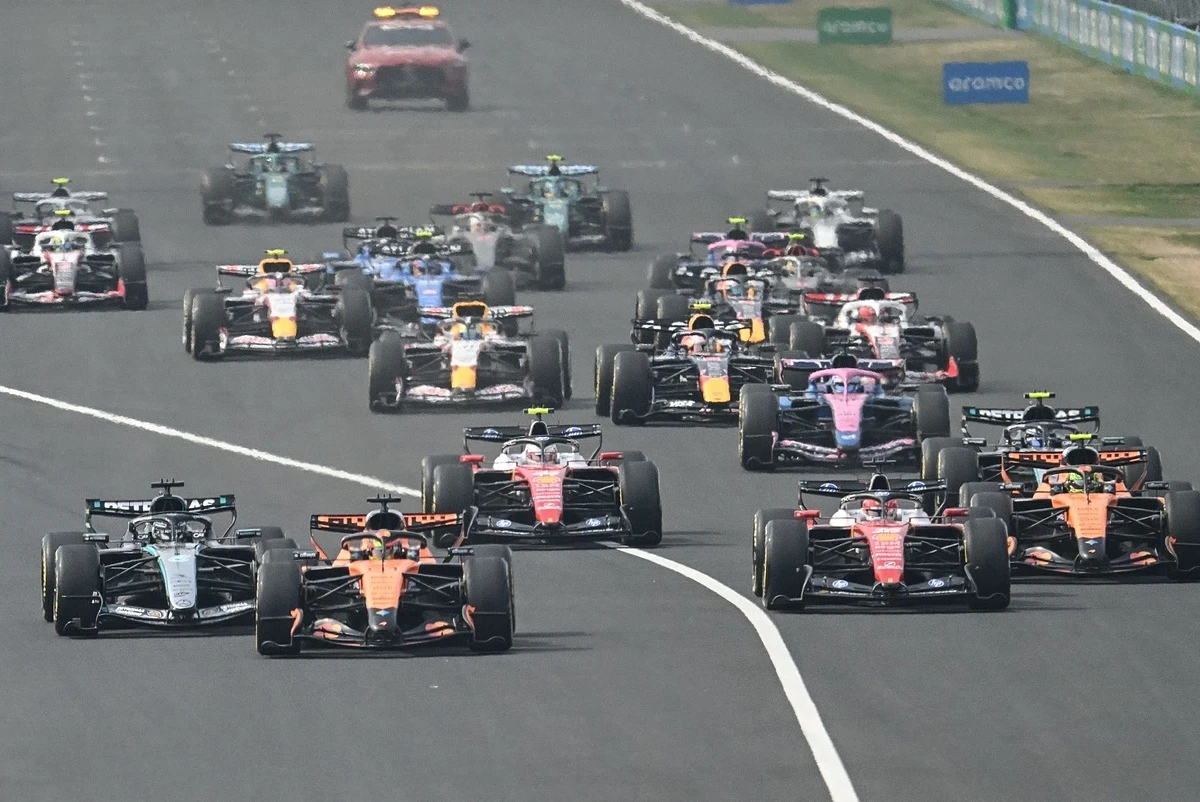
The 2026 Formula 1 season has roared to life, and with the first three races in the books, a clear picture is starting to develop. The sport's new technical era has shuffled the deck, creating a fascinating mix of resurgent giants and teams scrambling for answers. Let's break down how every squad has performed so far.
Mercedes has emphatically announced its return to the front. With a clean sweep of victories in Melbourne, Shanghai, and Suzuka, the Silver Arrows have recaptured the dominant form that defined the early hybrid era. Their power unit appears to be the class of the field, and a more mature Kimi Antonelli is proving a formidable match for George Russell. They are the benchmark everyone is chasing.
For reigning champions McLaren, the start has been a story of painful setbacks and promising recovery. A disastrous home race in Australia, followed by a double DNS in China due to battery issues, masked their underlying pace. As they've learned to better deploy their Mercedes power unit, the speed has shone through, with Oscar Piastri's strong run to second in Japan offering real optimism. They're playing catch-up, but they're firmly in the fight.
Further down the grid, the pressure is mounting. Teams like Williams and Aston Martin have struggled to find a consistent footing, with questions swirling about their development direction. In F1's relentless development race, these early races are a crucial diagnostic tool, separating the teams who nailed the new regulations from those with work to do.
As the season pauses, the garage doors are closed but the work never stops. Upgrades are in the pipeline, data is being crunched, and the development war is fully underway. The first chapter of 2026 has been written by Mercedes, but with so much potential for evolution, this story is far from over.