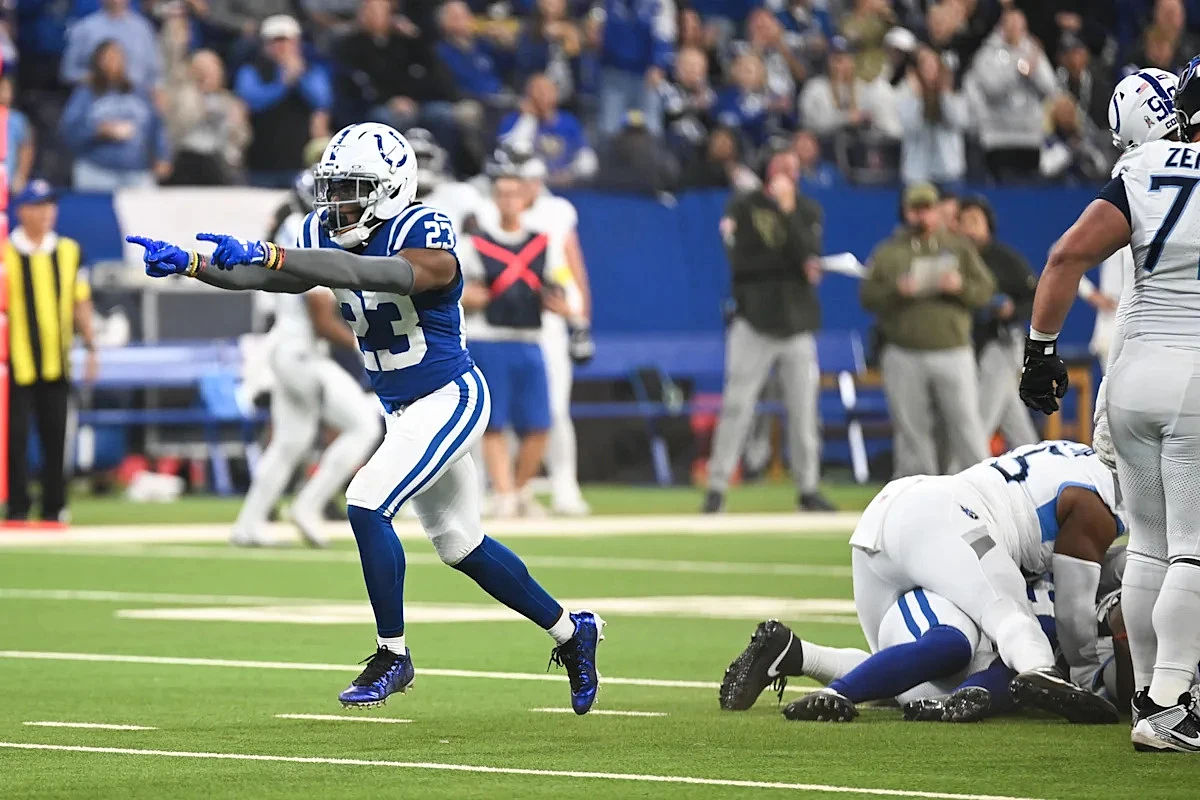
The Indianapolis Colts are reportedly exploring a trade for veteran cornerback Kenny Moore II, a move that could send ripples through their roster strategy and directly influence their approach to the upcoming NFL draft. For a team with clear aspirations to contend, every decision carries weight for both the immediate season and the future.
From a pure asset-management perspective, a successful trade would be a win for General Manager Chris Ballard. The Colts enter the draft with a modest seven picks, only two of which fall in the coveted top 100. Acquiring additional draft capital would give Ballard more flexibility to address multiple needs, something he has emphasized this offseason. It's a classic case of turning a current roster piece into future building blocks.
But the move isn't just about accumulating picks; it reshapes the secondary's depth chart. Moore's departure would elevate rookie Justin Walley into the starting nickel cornerback role. While Walley shows promise, his move inside creates a domino effect. It depletes the team's experienced depth at the outside cornerback spots behind starters Charvarius Ward and Sauce Gardner, and it leaves the backup nickel role uncertain.
Cameron Mitchell has some experience in the slot, but players like Jaylon Jones and Cam Taylor-Britt are primarily outside defenders. Suddenly, a position that seemed deep now has questions behind the starters. In today's pass-happy NFL, you can never have too many reliable defensive backs.
So, what does this mean for the Colts' draft board? While cornerback may not leapfrog more glaring needs at linebacker, edge rusher, or wide receiver, its priority has undoubtedly risen. The likelihood of Indianapolis using a Day 2 or Day 3 selection to add a versatile defensive back—someone who can compete in the slot and provide depth outside—has increased significantly. It's about insulating the secondary and maintaining the defensive identity that makes this team a tough opponent.
Ultimately, trading a respected veteran like Kenny Moore is a calculated risk. The Colts are betting on their young talent to step up and on their scouting to find a capable replacement in the draft's later rounds. How they navigate this transition will be a key subplot to their offseason, impacting their defense's readiness for a demanding 2026 campaign.