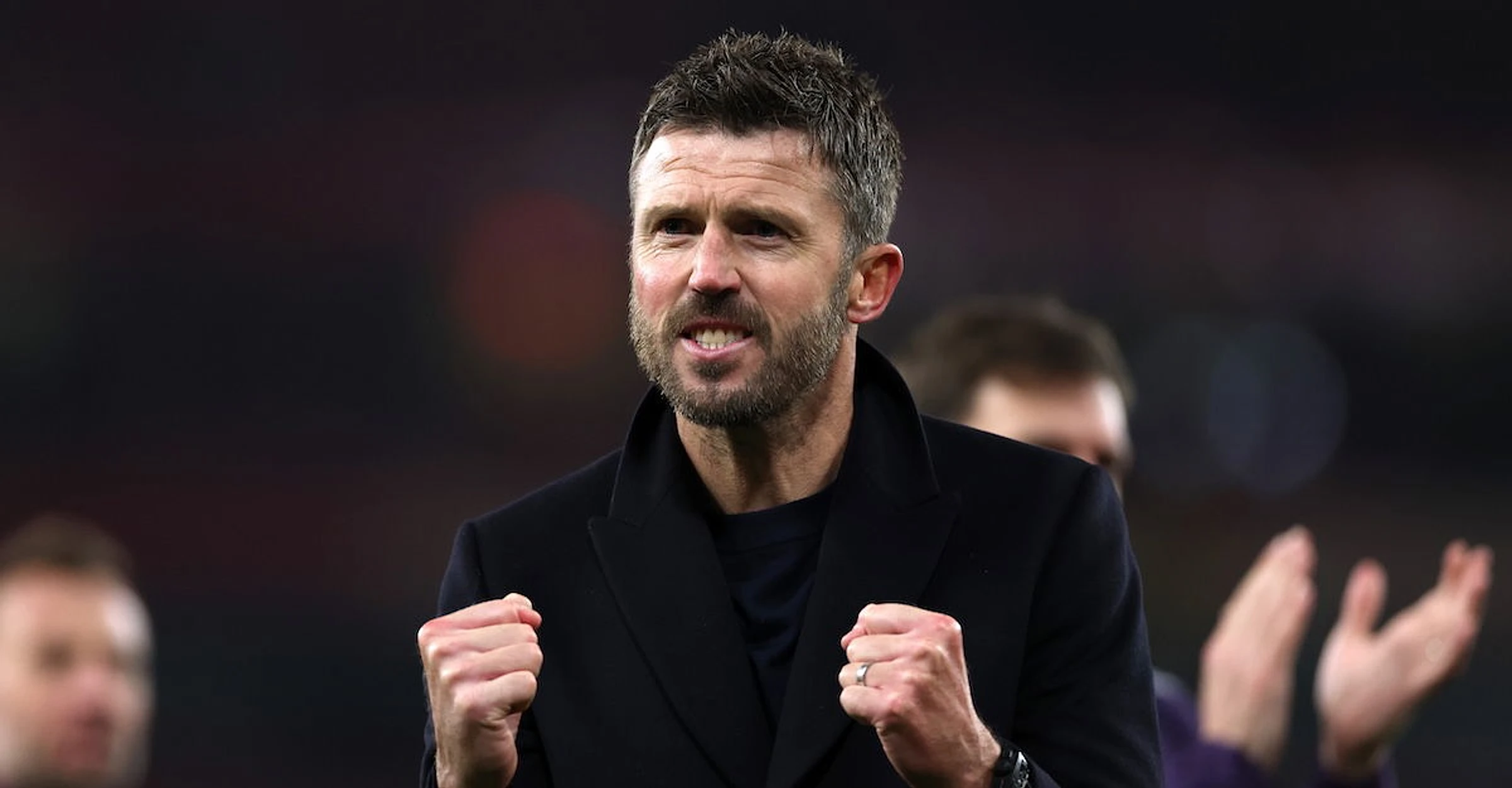
It's almost done. Barring a complete collapse, Manchester United will be back in the Champions League next season—a feat that seemed impossible just months ago.
When Michael Carrick stepped in as interim head coach in January, the club was in crisis. Morale was at rock bottom, performances were painful to watch, and even the most optimistic fans had resigned themselves to a Europa League campaign at best. The dreamers held out hope, but the realists were already preparing for Thursday nights in the Conference League. Now, with only four games remaining and just two points needed to secure a top-four finish, it's advantage dreamers—unless United lose every match while Brighton or Bournemouth win all of theirs.
Carrick inherited a team staring into an abyss. Out of the title race, out of both domestic cups, and never even in a European competition, the only target left was a Premier League finish good enough for a Champions League spot in 2026/27. That was the challenge, and Carrick has answered it. Monday's nervy 2-1 win over Brentford pushed United into the black—qualification not mathematically sealed, but now much more likely than not.
The pressure won't fully lift until the prize is mathematically impossible to lose. A defeat to Liverpool this weekend, combined with wins for Brighton or Bournemouth, wouldn't spark panic, but it would tighten the grip. With four games to go and just a point or two needed for safety, United finally has room to breathe—and maybe even have a little fun.
Carrick has already proven he thrives on big moments. He masterminded statement wins over Manchester City and Arsenal in his first two matches, so expect an exciting, high-energy performance against Liverpool. These final four games could be just as important for Carrick's permanent job prospects as the previous 13. In those matches, he showed grit and determination—qualities his predecessor's side sorely lacked. United can now cling to leads and grind out results when it matters most.
If Carrick can finish the job in style, INEOS will have a very difficult decision to make—and that's exactly the kind of problem any club wants to have.