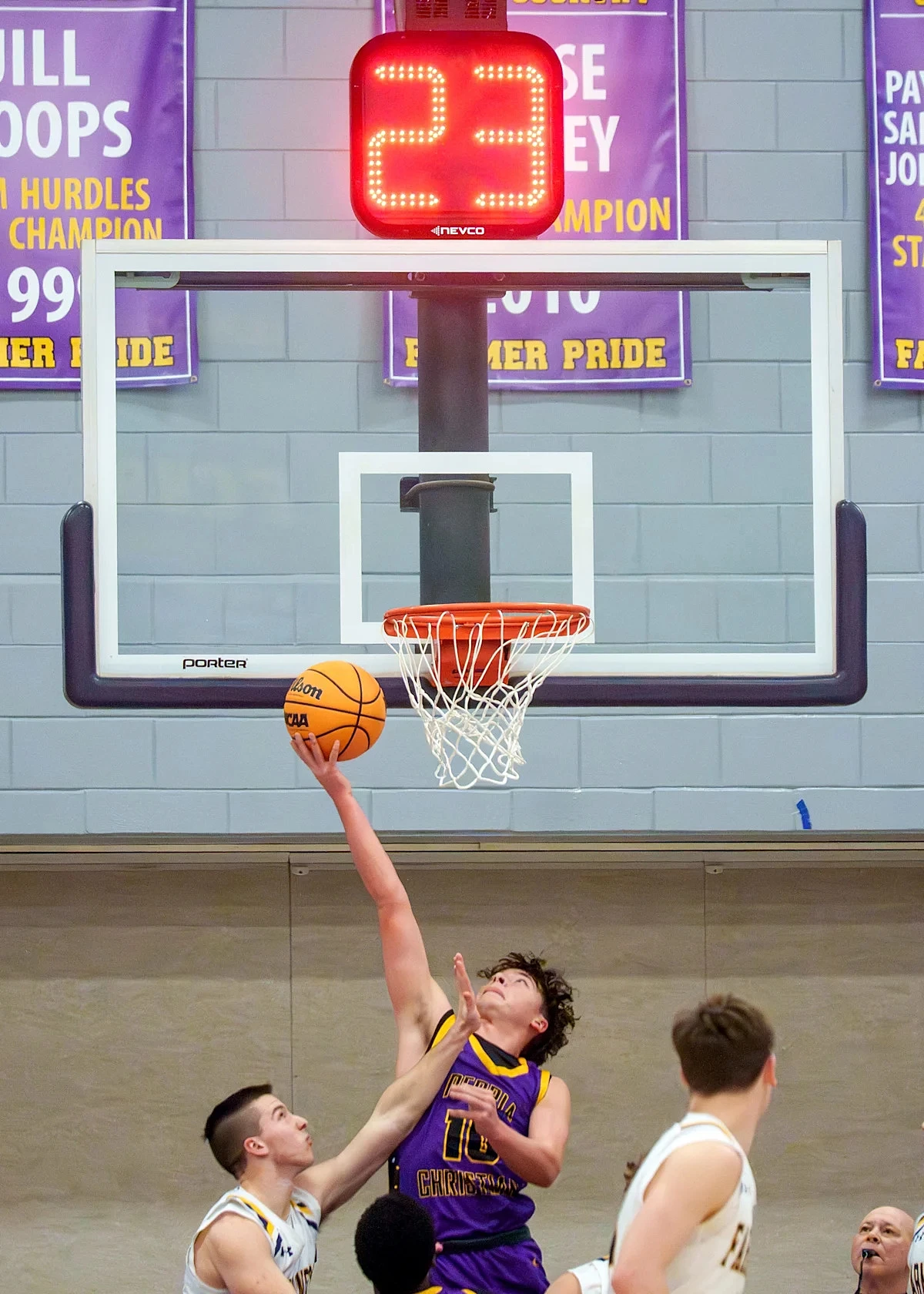
The high school basketball landscape is evolving, and the shot clock is at the center of the conversation. As we look ahead to the 2025-26 season, at least 32 states will be implementing a shot clock in some form, marking a significant shift in how the game is played at the prep level. But not everyone is on board just yet.
According to the National Federation of State High School Associations (NFHS), the majority of states have embraced the change, with Alabama and New Jersey set to join the movement in the coming seasons. However, Indiana recently voted against adopting the shot clock, keeping the debate alive. The NFHS first approved the optional use of a shot clock in 2021, with full implementation rolling out starting in the 2022-23 season.
Proponents argue that the shot clock is a natural progression for the sport, helping prepare student-athletes for the faster pace of college basketball. "We're preparing our girls to go play at the next level," says Dawn Karpell, girls basketball coach at Saint John Vianney High School in New Jersey. "If we're really building girls out to be college-ready, then that's part of the game they should understand how to operate within."
But not every coach shares that enthusiasm. Some worry that the shot clock could strip away strategic options and ultimately hurt the development of younger players. "I don't understand why a coach would willingly give up a coaching option that could help their kids be successful," notes the executive director of the Indiana Basketball Coaches Association, reflecting a sentiment that keeps the debate far from settled.
Whether you're a fan of the fast break or a believer in patient offense, one thing is clear: the shot clock is changing high school basketball, one state at a time. Stay tuned as more states weigh in, and gear up for a faster, more dynamic game on the court.