When Saudi Arabia launched LIV Golf five years ago, it shattered the golf world into two rival factions. Now, the country has signaled it's done bankrolling the controversial league—leaving players, fans, and the sport's future in limbo.
According to Forbes calculations, LIV Golf has paid out more than $3 billion to its players since its first tournament in 2022. That staggering figure includes tournament winnings, salaries, and bonuses—a financial firehose that transformed professional golf almost overnight.
The breakdown is eye-popping. LIV has distributed nearly $1.36 billion in prize money and championship bonuses (after accounting for the 60% team prize money share used for operating expenses). On top of that, Forbes estimates at least $1.6 billion went to guarantees and signing bonuses. By the end of this season—if the remaining seven tournaments through August proceed as scheduled—the total prize pool will hit $1.59 billion, pushing total payouts past $3.2 billion.
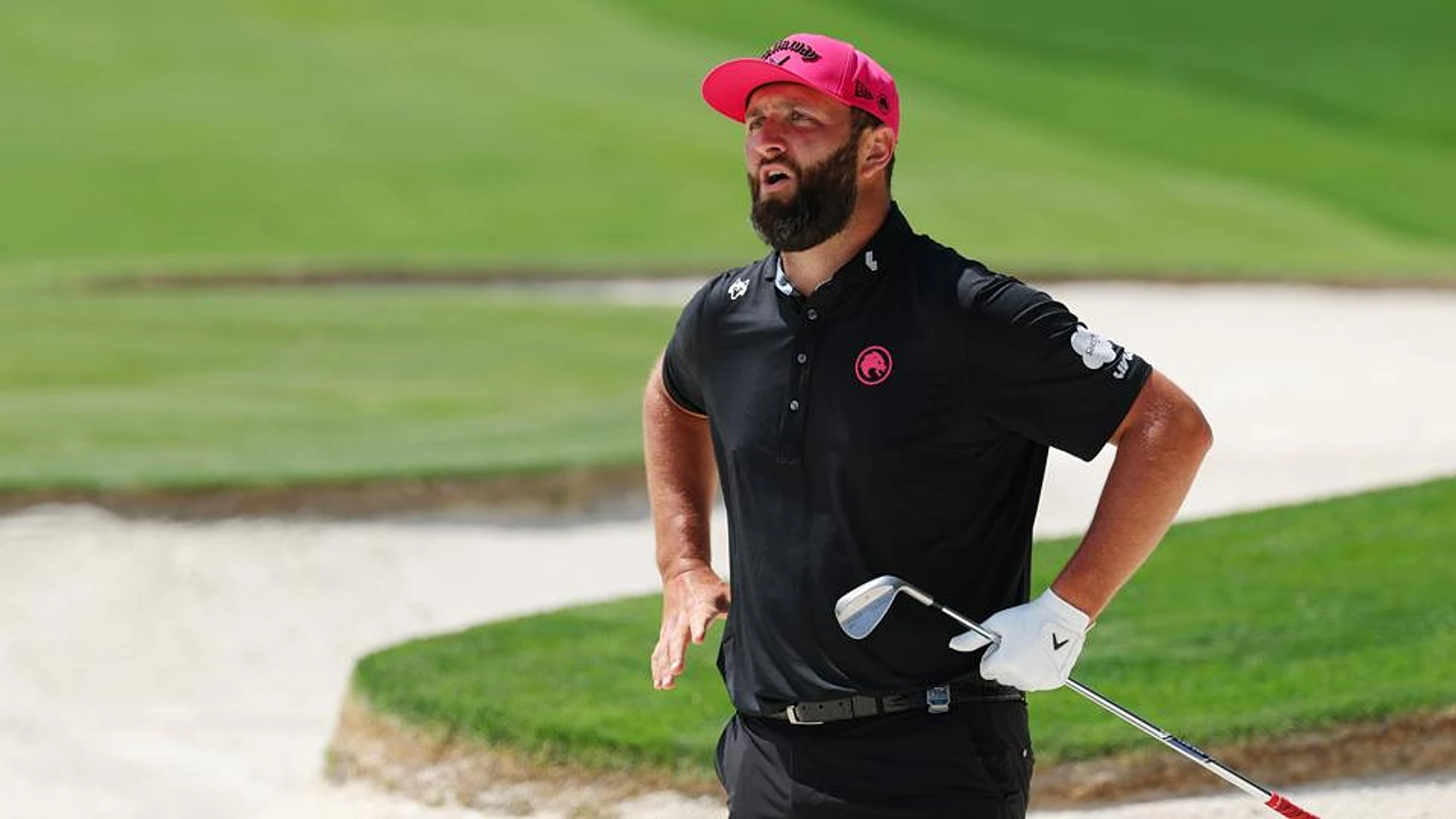
Those signing bonuses were the headline grabbers from day one. Spanish star Jon Rahm reportedly landed $300 million to defect from the PGA Tour. Phil Mickelson secured $200 million, while Brooks Koepka walked away with $100 million. The message was clear: LIV was willing to spend whatever it took to reshape golf's competitive landscape.
The league also immediately set new standards for tournament purses. Each event offered $25 million—with a $50 million flagship tournament in its debut year—before growing to $30 million per event in 2026. For context, that's nearly double the prize money of many PGA Tour events, a move that forced the established tour to raise its own payouts.
But the party may be ending. Saudi Arabia's Public Investment Fund is estimated to have poured $5 billion into LIV Golf since its inception. Now, after the current season, the fund says it will no longer bankroll the circuit. LIV announced new board appointments this week and says it's focused on securing outside investors. But sports analysts remain skeptical about the league's survival without its deep-pocketed Saudi backers.
For golf fans and the athletes who made the leap, the question now is what comes next. LIV's massive signing deals lured some of the biggest names away from the PGA Tour—and those players may soon face an uncertain future as the league searches for new financial footing. Whether LIV can find a sustainable path forward—or becomes a cautionary tale in sports spending—remains to be seen.