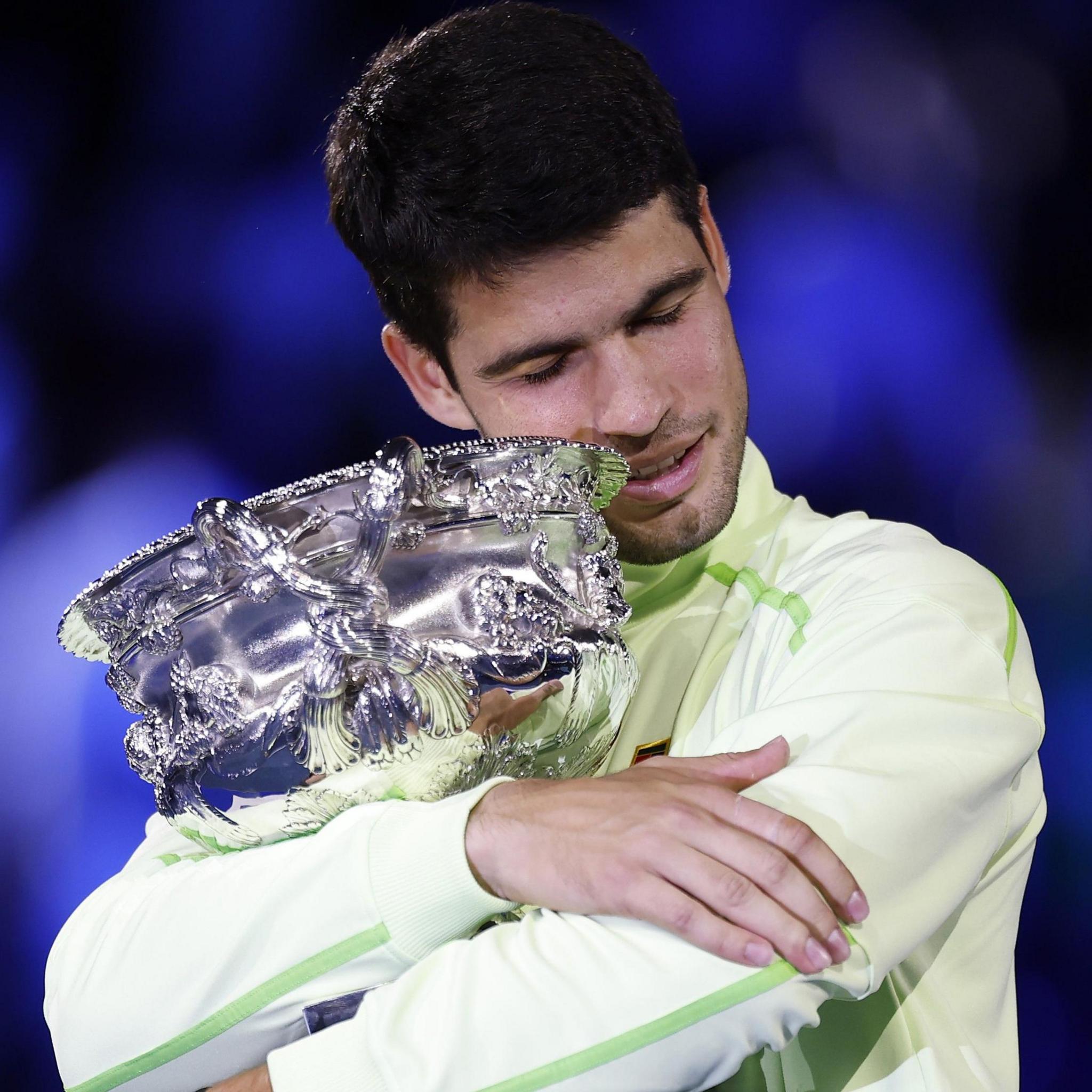
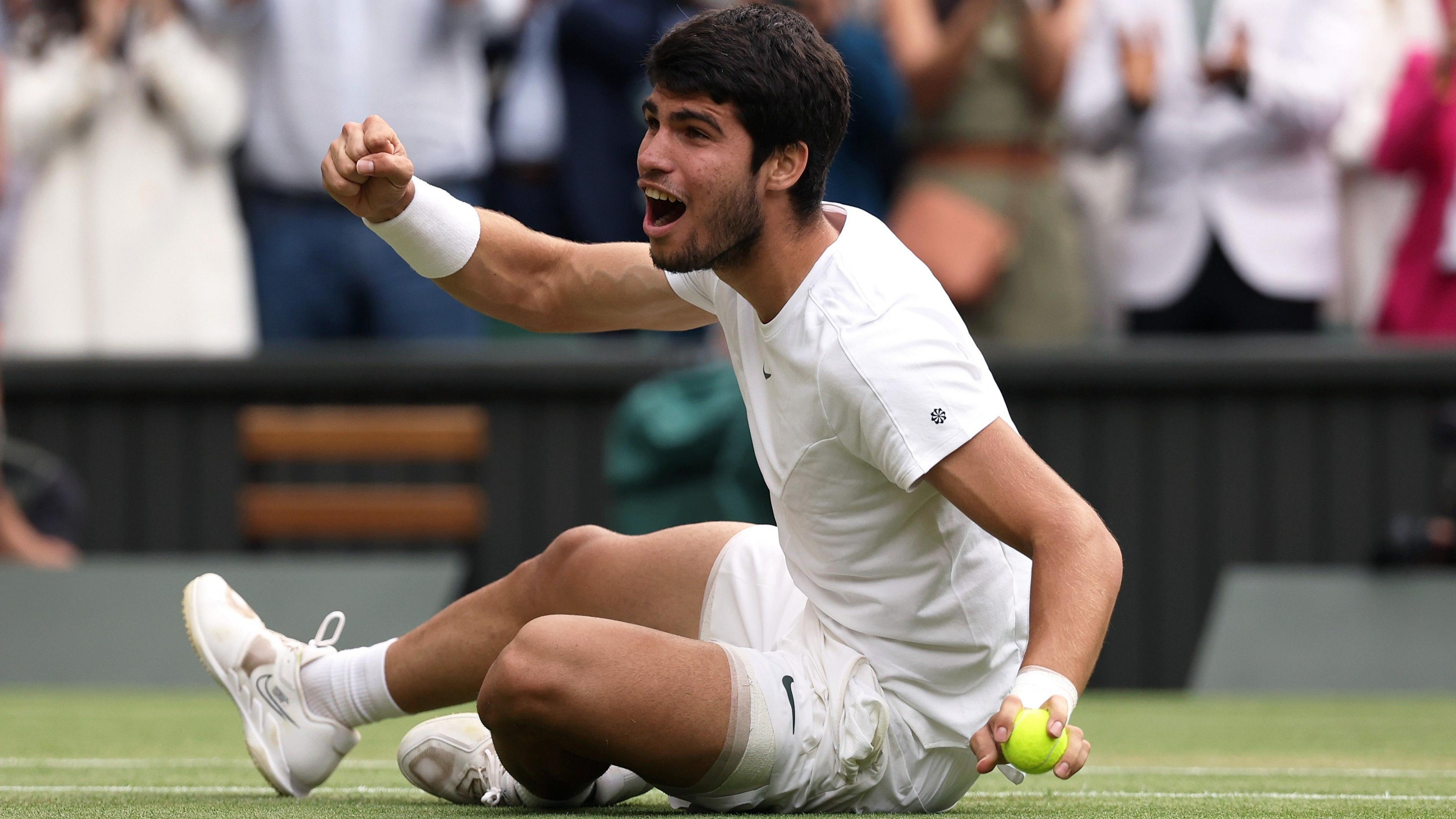
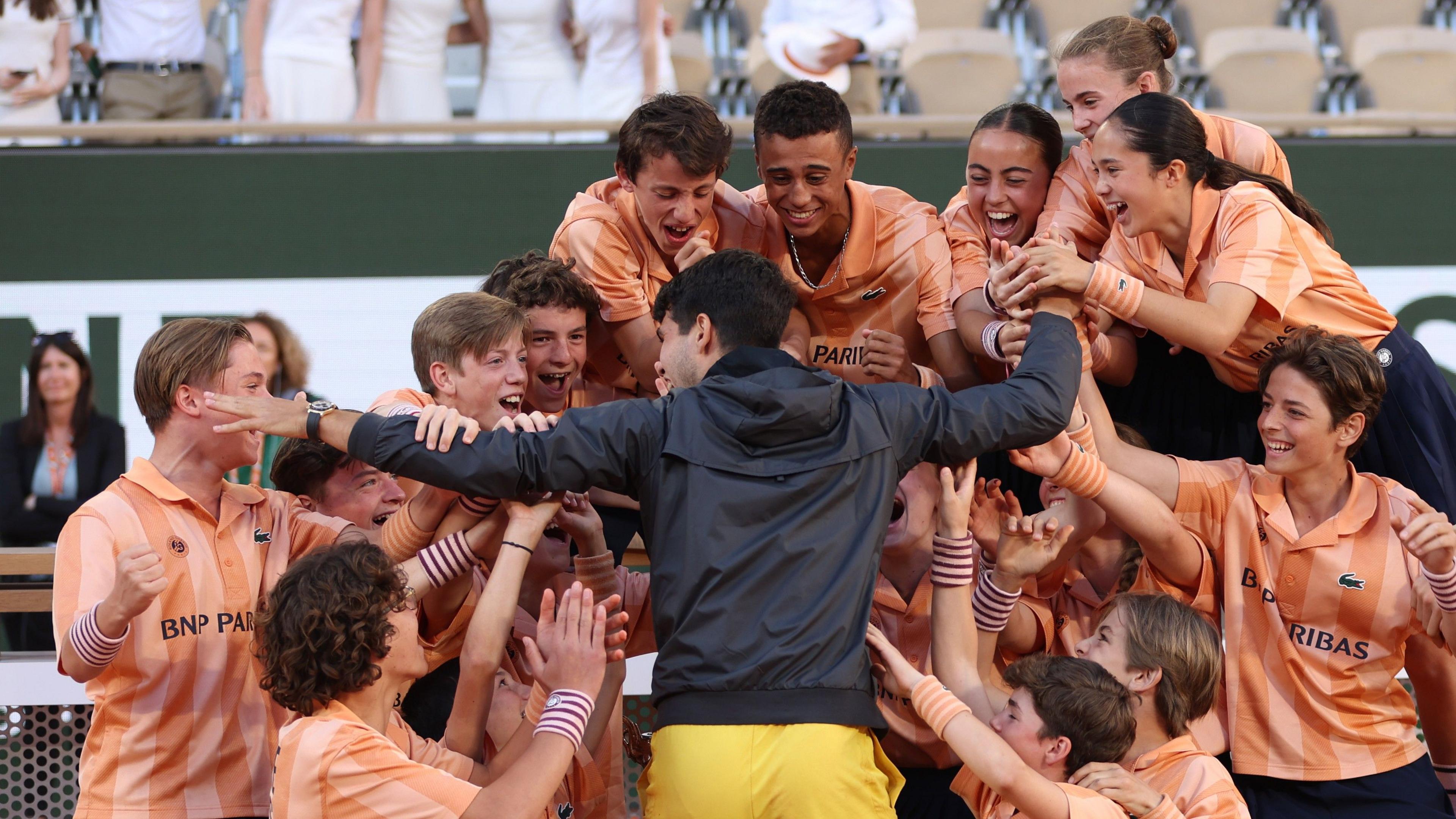
With his Australian Open triumph, the name of Carlos Alcaraz is now engraved on all four Grand Slam trophies.
"I don't like being called Carlos," he said in 2022.
"Honestly, Carlos seems too serious to me, like I've done something wrong. I like Carlitos or Charlie."
Once a young prodigy who smashed racquets when things did not go his way, Alcaraz has secured a spot in the history books as the youngest man to complete the career Grand Slam.
He is the world number one, has seven major titles to his name and is one half of a potentially era-defining rivalry.
Alcaraz beats Djokovic in Melbourne to complete career Slam
Published1 FebruaryWatching Alcaraz is, for the most part, like watching sunshine personified.
There is a carefree joy in his shot-making; the huge forehand that goes blasting through every surface, the drop shots and volleys that few would dare try.
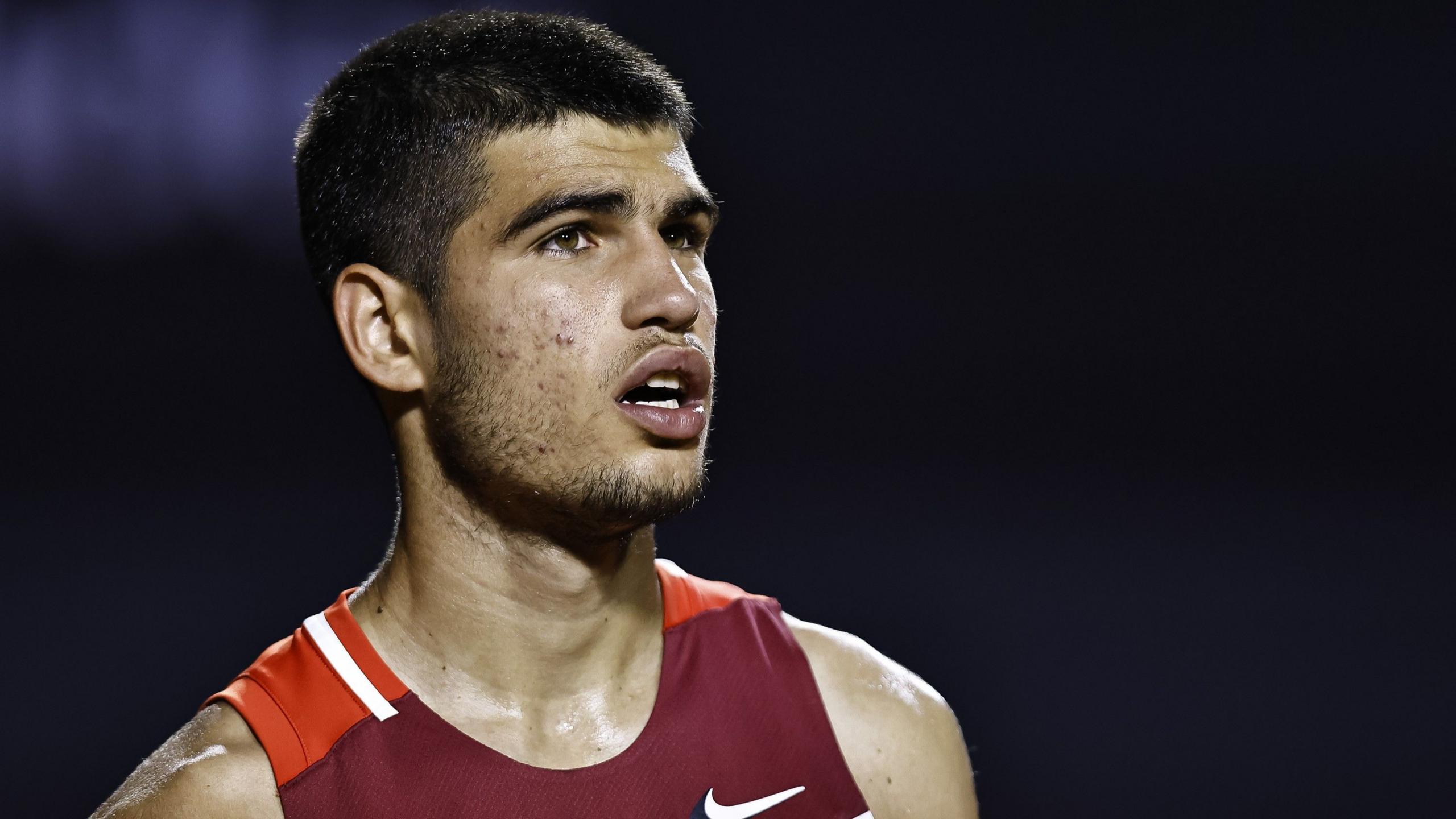
Then there is Alcaraz himself. He runs around the court with a puppyish enthusiasm, a huge smile never far from his face. The sleeveless shirts, the cries of 'vamos!', the ill-advised buzzcut in New York all add to the theatre.
Alcaraz plays by the motto passed down to him by his grandfather - cabeza, corazon, cojones. Head, heart, balls. A reminder to be brave in the big moments, to truly go for what you want. It has served him well throughout his career.
Tennis, Alcaraz told Vogue, external in 2023, is in his blood. His great-uncle built the club in Murcia where generations of the family would play. His father, who played until he could no longer afford to, was a director there. Alcaraz's siblings all play tennis, with eldest brother Alvaro acting as hitting partner and unofficial barber.
Given his first racquet aged four, Alcaraz spent much of his time there. His first coach, Kiko Navarro, told BBC tennis correspondent Russell Fuller that the young Alcaraz got angry a lot.
"When he was a child he broke a lot of racquets and I had to take him crying to the hotel or home," he said in 2024, while Alcaraz described himself as "a bad loser".
IMG agent Albert Molina watched an 11-year-old Alcaraz play a Futures tournament in Murcia. "You could already see his winning character, bravery and daring," he told the ATP Tour website in 2021., external
"He had such a variety that he would often get it wrong. In one point he would approach the net, open up angles, play a slice, a lob..."
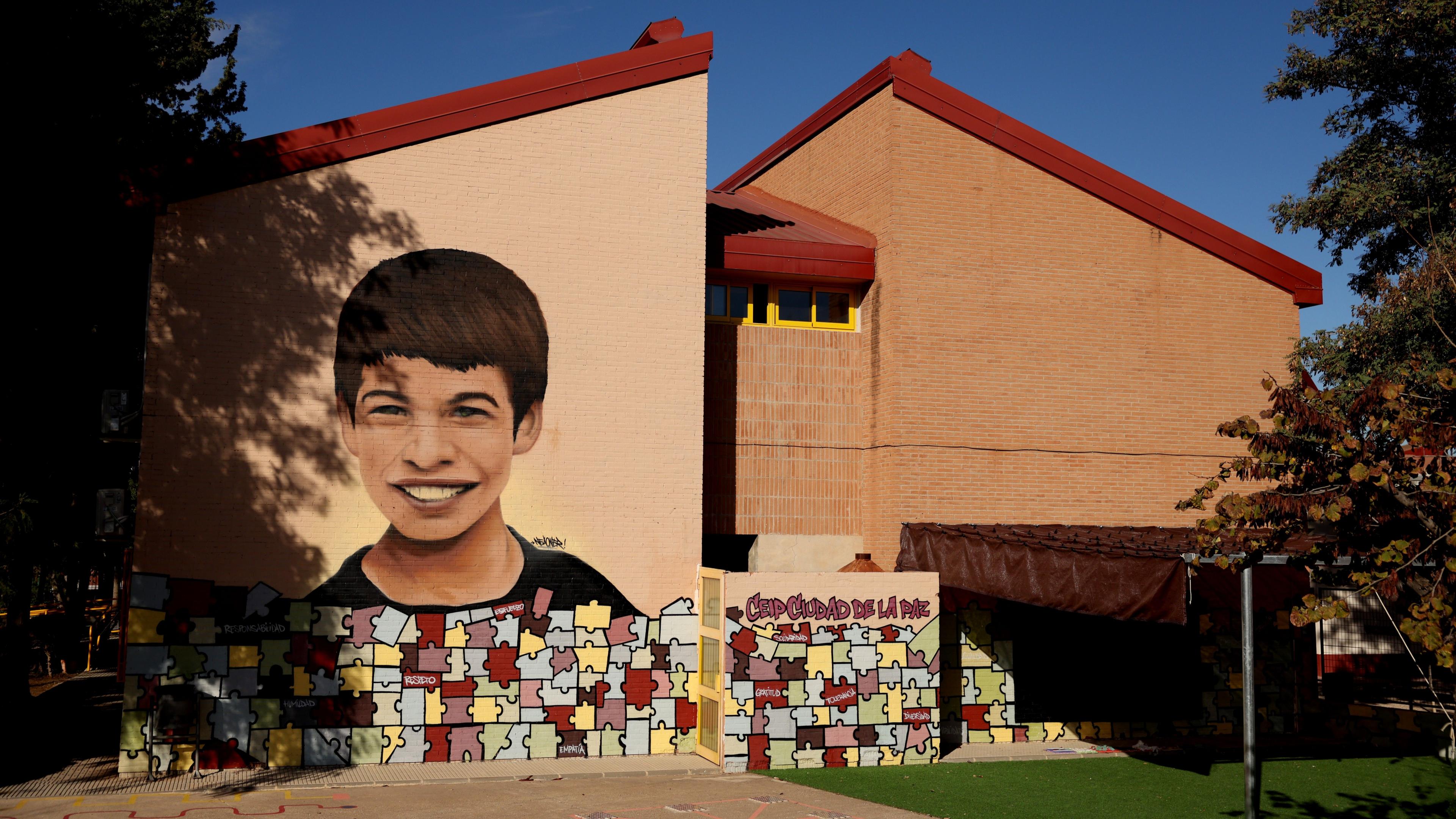
Image source, Getty ImagesImage caption, A painting of a young Carlos Alcaraz on the walls of his old school in Murcia
It was Molina who would link Alcaraz up with a man who came to be ubiquitous in his early success. He invited Juan Carlos Ferrero, the Spanish former world number one who won the 2003 French Open, to watch him. Alcaraz played a tournament at Ferrero's academy and, in Ferrero's own words: "I saw something different."
He told BBC Radio 5 Live in 2024: "You could see he was more dynamic than the other players. He wanted to be a professional and the parents and I talked about how he needed to go there [to Ferrero's academy], sleep there and practise as the others players do."
In 2018, Alcaraz moved to Villena to train under Ferrero, who had spent an underwhelming seven months coaching then world number four Alexander Zverev. Ferrero turned down other offers to become the youngster's full-time coach. Alcaraz would come to regard Ferrero as a second father.
Some coaches would try to change Alcaraz's natural game and reel in his tendency for the unorthodox. Ferrero did not. He wanted Alcaraz to "have joy on the court", knowing that when Alcaraz felt his best, the tennis would follow.