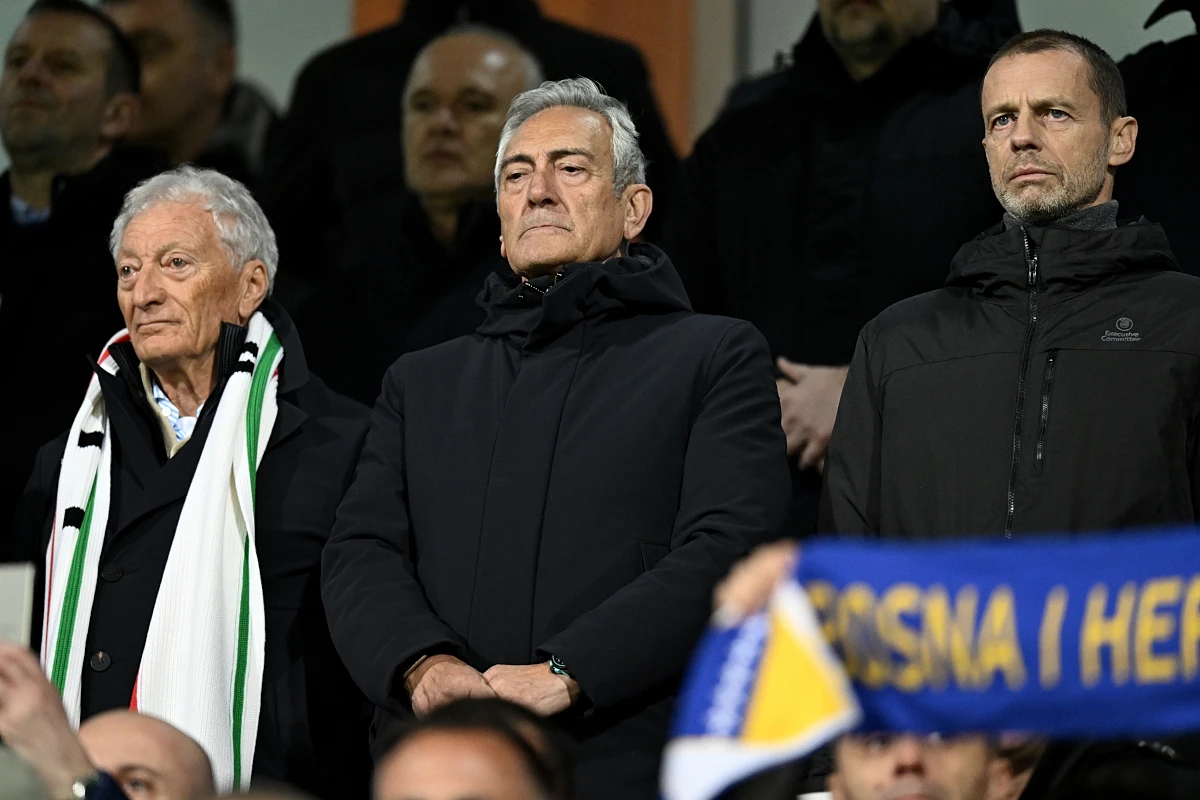
In a dramatic move that underscores the deep-seated issues within Italian football, outgoing FIGC President Gabriele Gravina has released a comprehensive report detailing the sport's crisis and proposing solutions. This comes just days after he tendered his resignation following Italy's heartbreaking failure to qualify for the 2022 FIFA World Cup.
Gravina's tenure was a tale of extremes, overseeing the glorious triumph at UEFA Euro 2020 but also the profound disappointment of back-to-back World Cup qualifying failures. Despite stepping down, he remains in a caretaker role until a successor is elected on June 22nd, using his position to issue this stark assessment.
The report, originally intended for the Italian parliament, was published directly by Gravina. In a pointed statement, he shared it "with the hope that it may stimulate reflection," implicitly challenging the chorus of critics who have emerged since the national team's latest setback. He argues that the problems are long-standing and structural, worsened by conflicting interests that paralyze progress.
Gravina draws a clear line between areas of success and failure. He points to achievements in youth development, sustainability, and national team training programs—domains under direct Federation control. The crisis, he contends, lies elsewhere: in the overlapping jurisdictions and competing autonomies of leagues, clubs, and institutions that create gridlock.
The document itself begins by cataloging the well-known ailments plaguing Serie A and the Italian game at large. From crumbling stadiums and financial instability to a declining global brand and talent drain, the challenges are formidable. For fans who live and breathe calcio, this report is a sobering but necessary diagnosis, highlighting that the road to recovery requires more than just a change in the dugout—it demands systemic reform from the ground up.