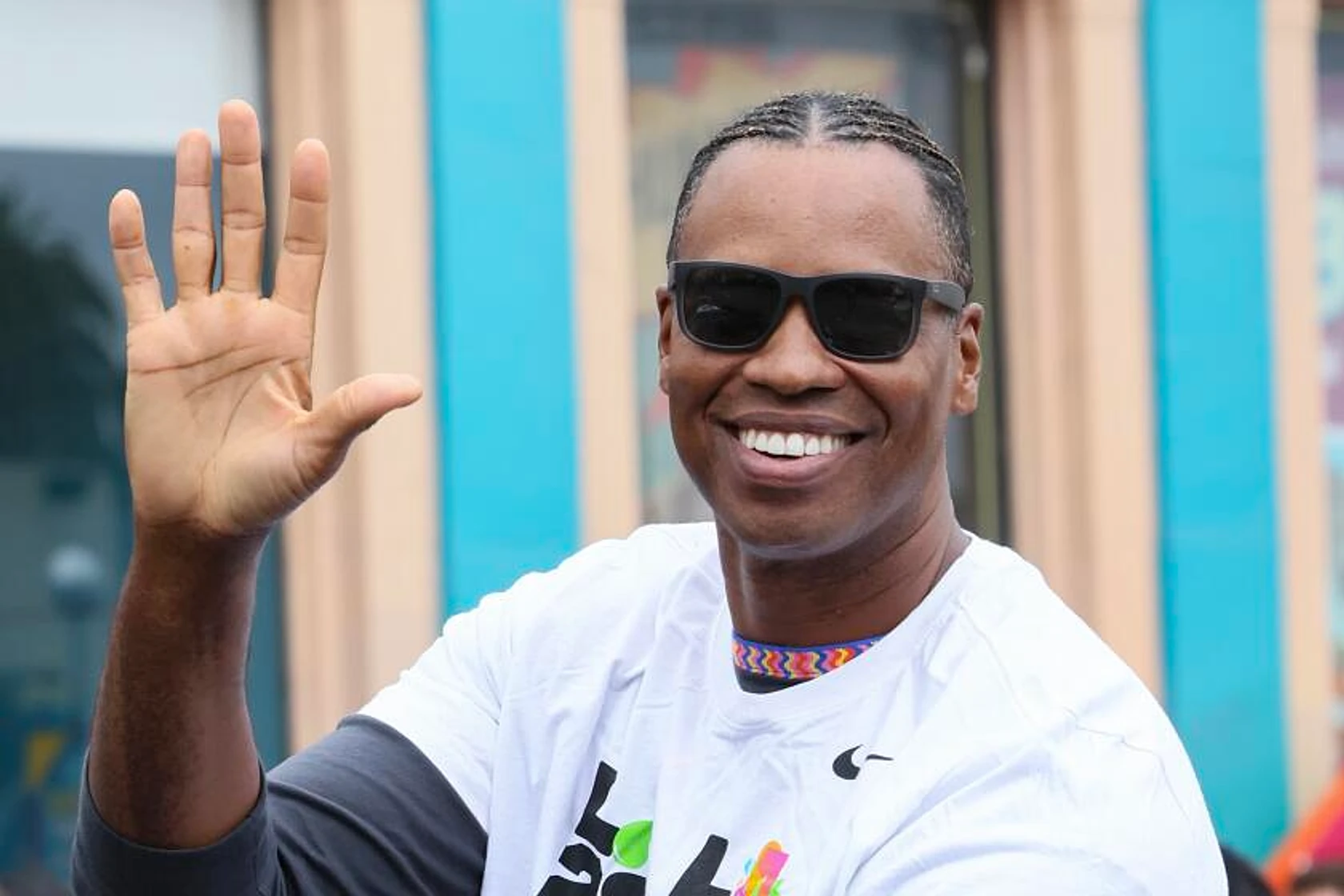
When Jason Collins stepped onto an NBA court in 2013, he wasn't just playing basketball—he was making history. As the first openly gay athlete in a major American team sport, Collins didn't seek the spotlight, but he understood its power. "I didn't set out to be the first," he said at the time. "But since I am, I'm happy to start the conversation."
That conversation continued until his passing this month from brain cancer at age 47. For over a decade, Collins dedicated his post-playing career to building bridges and fostering connections—a mission that resonates deeply in today's divided world.
Collins' journey reminds us of what former Senator Ben Sasse recently described as a fundamental problem in America: segregation—not just by race, but by age, class, and identity. "Young people don't know old people," Sasse noted, explaining how we've all "bubbled ourselves" into narrow demographics where life feels safe but disconnected.
That's where trailblazers like Collins made their mark. By living authentically, he burst those bubbles—not through confrontation, but through the simple, powerful act of existing as a whole person. His career included battling Shaquille O'Neal in the NBA Finals, but his legacy extends far beyond the court. After retiring in 2014, Collins spent his next chapter championing understanding, hoping future generations wouldn't have to hide who they are.
In a world that often feels fragmented, Collins showed us that the most courageous move isn't standing out—it's reaching out. And in doing so, he helped us all keep moving forward.