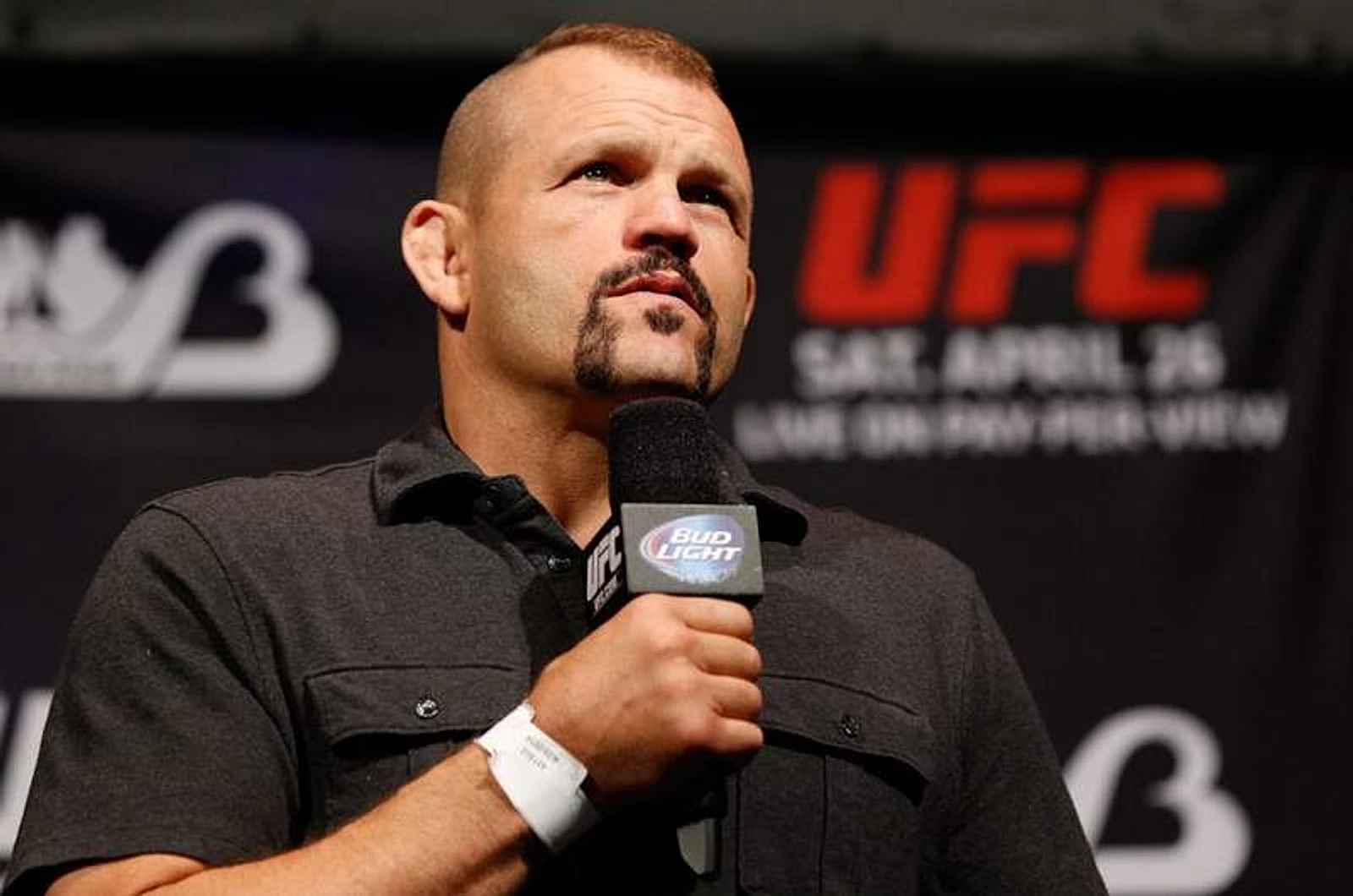
Chuck Liddell is a name that still sends chills down the spine of any true MMA fan. As a former UFC light heavyweight champion and Hall of Famer, "The Iceman" didn't just defend his belt four times—he helped turn a niche sport into a global phenomenon. But behind the legendary knockouts and iconic staredowns lies a fight week ritual that would make today's elite athletes cringe.
Glover Teixeira, himself a former UFC champion, recently pulled back the curtain on Liddell's old-school approach during a chat on the Overdogs Brasil podcast. The topic came up while discussing Carlos Prates, a current fighter known for his partying and smoking habits outside of camp. According to Teixeira, Liddell took fight week preparation to a whole new level—and it involved a nightclub.
"Chuck Liddell would lose weight at the nightclub. We'd all go out to the nightclub the week of the fight," Teixeira recalled. "He'd drink about five energy drinks, dance, and enjoy his music until 4am. He'd say, 'I don't like to go to bed early, because otherwise I'll be sleepy during the fight.'"
It's a far cry from the strict, science-backed regimens of today's UFC stars, where sleep schedules, nutrition plans, and recovery protocols are treated like sacred texts. But back in Liddell's era, the sport was still finding its footing—and apparently, so were some of its biggest names.
Teixeira noted that both Liddell and Prates are rare exceptions to the rule. Despite their unconventional habits, both fighters have consistently delivered inside the Octagon. Prates, for instance, recently silenced critics by securing a victory over Jack Della Maddalena, proving that his partying doesn't interfere with his fight-night performance. Still, Prates has been quick to warn younger fighters not to follow his lead—especially kids dreaming of a career in MMA.
In a sport where discipline is everything, stories like Liddell's remind us that greatness sometimes comes in unexpected packages. Whether you're hitting the gym or hitting the dance floor, the key, it seems, is knowing when to flip the switch.