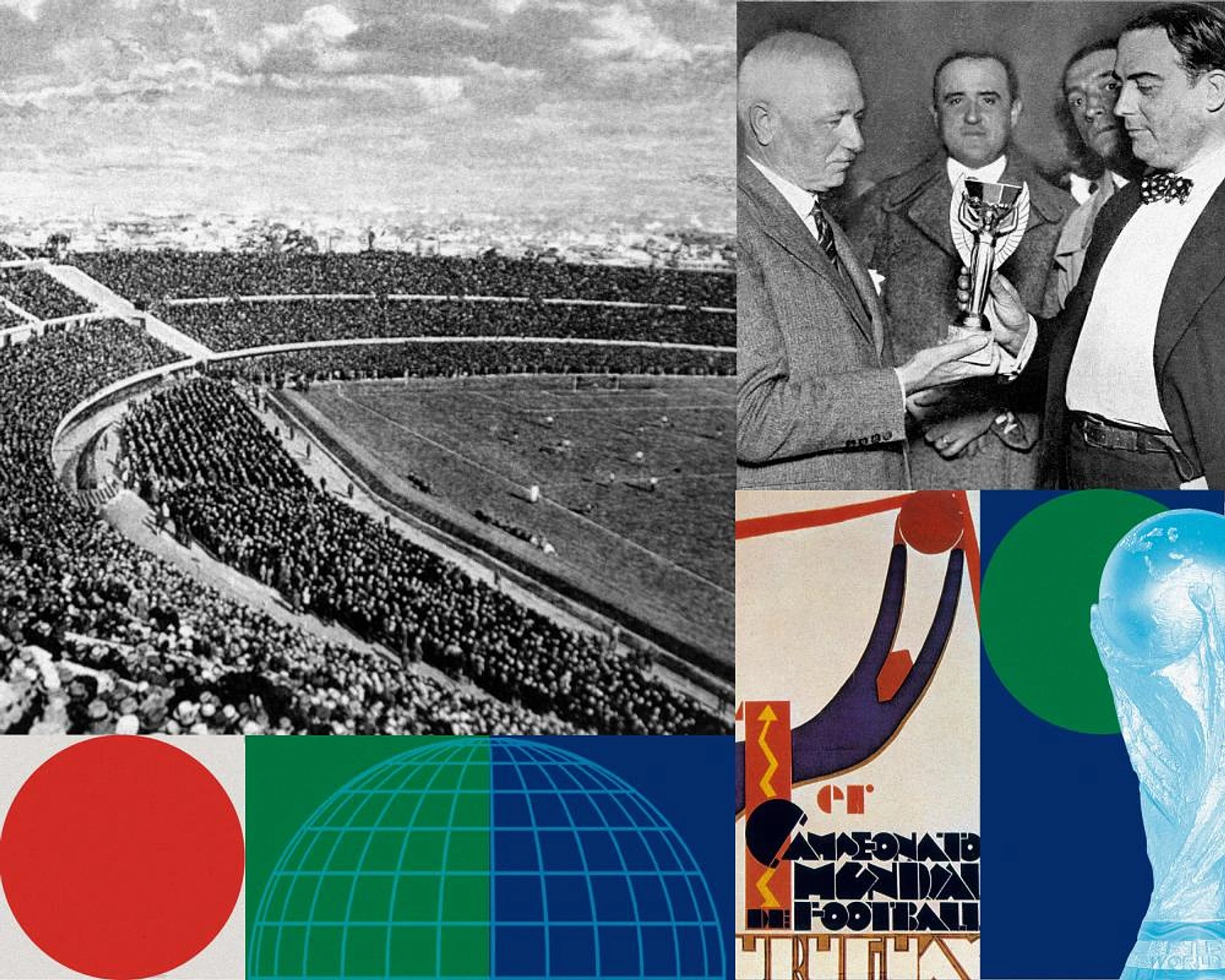
The World Cup has always been about more than just football. From the very first tournament in 1930 to the most recent editions in Russia and Qatar, host nations have used the global stage to project power, pride, and identity. But as history shows, that story can take some unexpected—and sometimes troubling—turns.
Let's start with Uruguay. In the 1920s, this small South American nation was determined to make its mark on the world. When a Uruguayan diplomat in Switzerland quietly entered the country into the 1924 Olympic football tournament, panic erupted back home. No one had expected it. No one knew how to pay for it. One federation official even had to put up his own house as collateral to fund the team's journey across the Atlantic.
But once they arrived in Europe, Uruguay's team became an instant sensation. They dazzled crowds with their slick, passing football—first in a series of friendlies across Spain, then at the Olympics in Paris. The famous novelist Colette was sent to report on the team, and Uruguay took home the gold medal. Back home, the pro-government newspaper El Día declared that the team had done more for Uruguay's fame than thousands of dollars in propaganda.
A national holiday was declared. Travel to the capital was subsidized so everyone could celebrate. The magazine Mundo Uruguayo proudly proclaimed that Uruguay had proven itself a "civilised nation"—one that could export culture, not just meat. The victory wasn't just about sport. It was about showing the world that Uruguay was its own country, not a province of Argentina. It was a triumph for the progressive ideals of batllismo: modernity, rationality, and Uruguayan exceptionalism.
That success wasn't an accident. Uruguay's football excellence was built on a massive state education program that gave young players the skills and opportunities to shine. It was a blueprint for how a nation could use sport to shape its identity—and it set the stage for every World Cup that followed.
From the rise of fascist Italy in 1934 to the geopolitical ambitions of modern hosts, the tournament has always been about more than goals and glory. It's a mirror reflecting how countries want to be seen—and sometimes, who they really are.