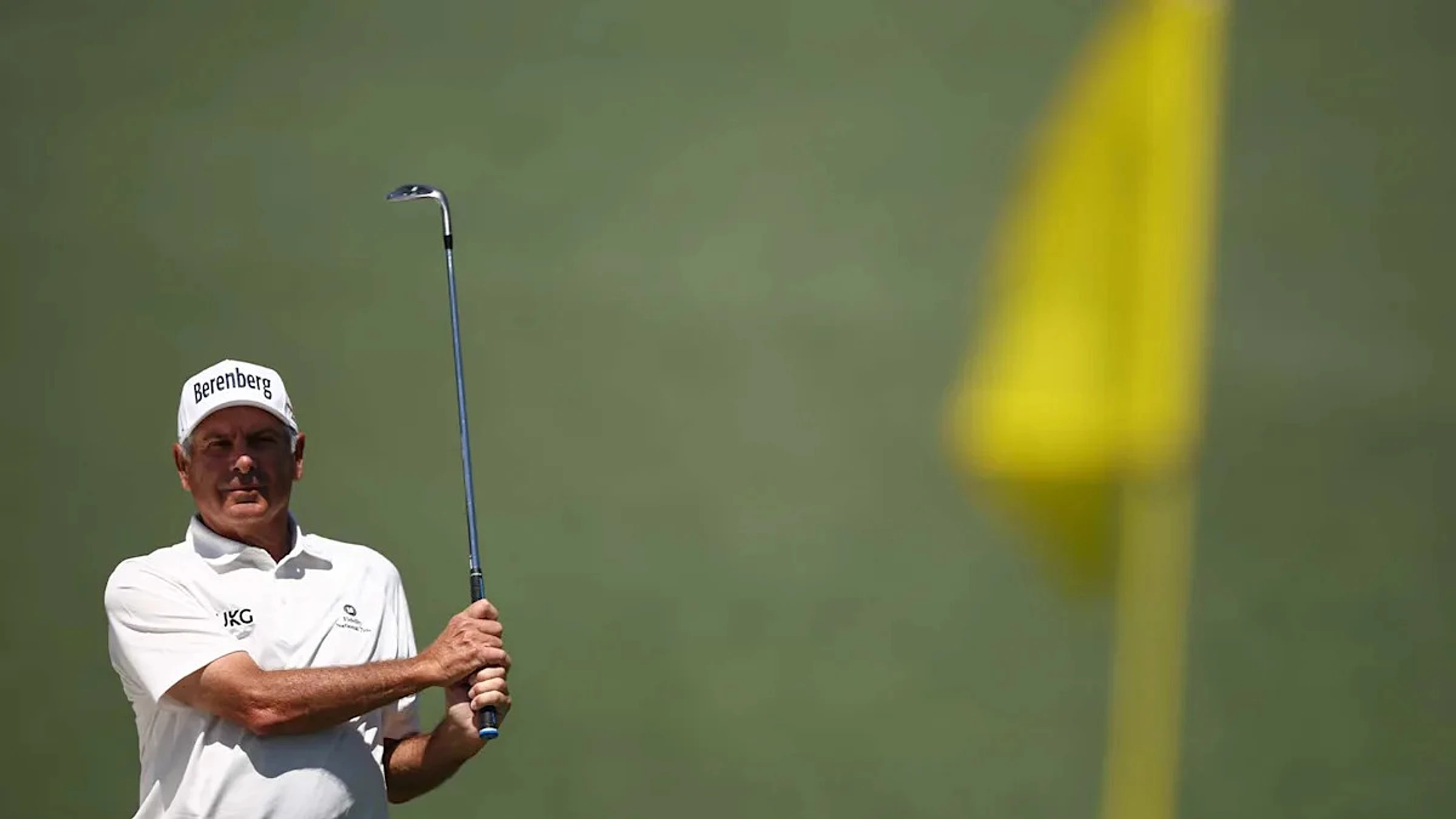
Picture this: you're Fred Couples at Augusta National. You're 66 years old, a beloved Masters legend playing for the 41st time, and whispers about your competitive future are swirling. Yet, you step onto the first tee on Thursday with a quiet confidence and a bright yellow golf ball, ready to prove you still belong.
The day starts beautifully. The firm, fast conditions at Augusta play right into your classic, strategic style. You navigate the front nine, card a couple of birdies, and make the turn feeling strong. As you stand on the 12th tee, you glance at the leaderboard and see it: one under par, just three shots off the lead. You're outplaying your younger, longer-hitting playing partners, and the patrons are starting to buzz with that old, familiar electricity.
The momentum builds. A birdie putt drops on the 13th, and the roars from the gallery are deafening. Smiles are exchanged. For a moment, it feels like 1992 all over again. The belief is back, both in the crowd and in yourself. "That's Freddie!" they yell, and for a glorious stretch, the Masters magic is real.
Then, disaster strikes on the iconic par-5 15th. What began as a promising round unravels into a nightmare nine. For most, a score like that on golf's grandest stage would spell the end, a reason to retreat. But Fred Couples is not most golfers.
In a display of the grit and class that has defined his career, Couples did something remarkable. He didn't let the catastrophic hole break his spirit. Instead, he regrouped, refocused, and finished his round with a resilience that commanded respect. It was a powerful reminder that in golf—and in the gear that supports your game—it's not about avoiding the bad shots; it's about how you respond to them. True champions are defined by their composure in the face of adversity, a lesson every golfer can carry from the fairways of Augusta to their own weekend rounds.