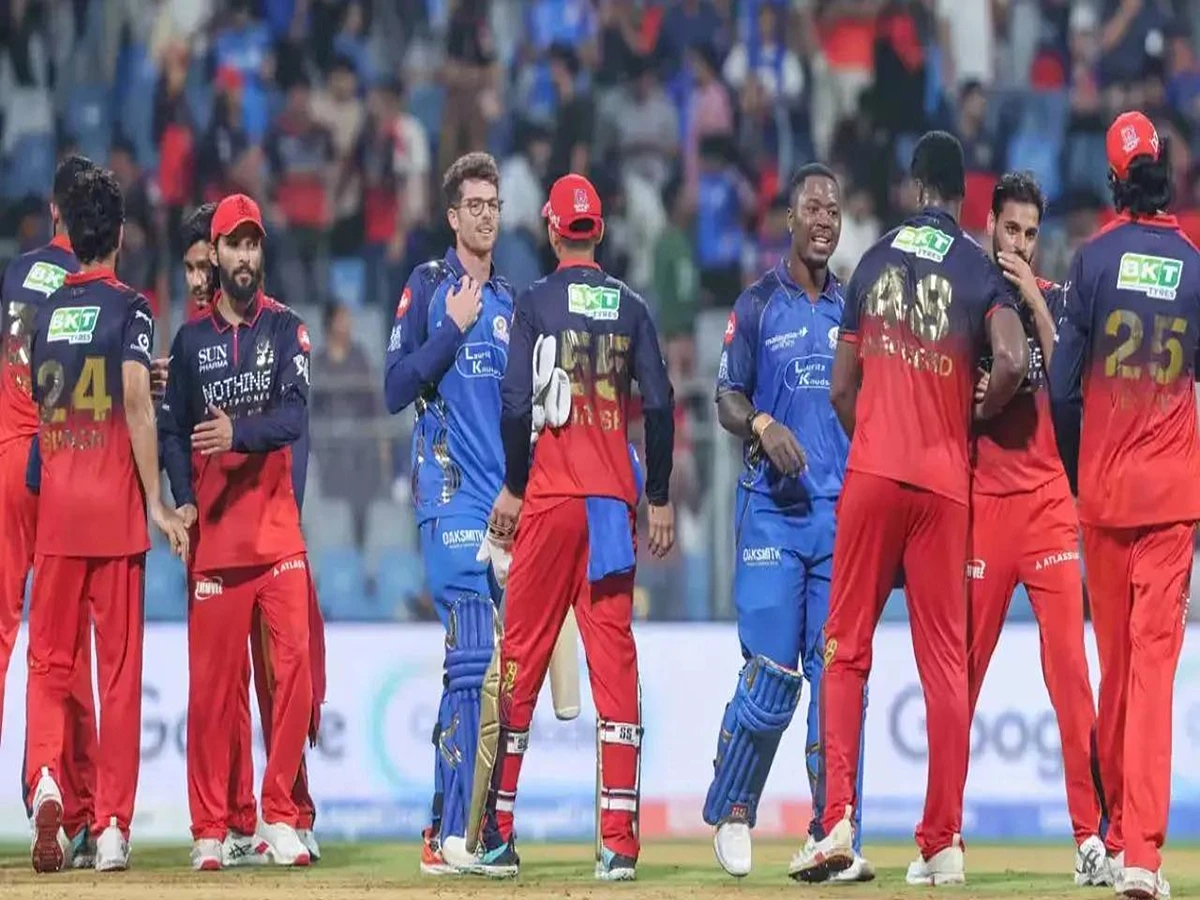
The IPL is known for its explosive sixes and nail-biting finishes, but a new, less thrilling trend is emerging: marathon match times. Slow over-rates are stretching games deep into the night, testing the patience of fans and players alike.
A prime example was the recent clash between the Mumbai Indians and Royal Challengers Bengaluru at the Wankhede Stadium. With no rain delays, the match still dragged on for a staggering four hours and 21 minutes, ending close to midnight after RCB secured an 18-run win. This isn't an isolated incident; it's becoming the unwelcome norm for IPL 2026.
The issue has become so pronounced that it's drawn criticism from the guardians of the game's laws. Fraser Stewart, the Head of Cricket at the Marylebone Cricket Club (MCC), was in attendance for that lengthy Mumbai match and was struck by the lack of urgency. "What struck us was the pace — how slow it was, with so many stoppages," Stewart remarked, suggesting the league could learn from formats like The Hundred, which uses a strict clock to keep play moving.
While captains like Hardik Pandya—the fourth skipper fined this season for a slow over-rate—face penalties, Stewart points to a deeper, structural cause. He suggests the relentless commercial engine of the IPL itself is a major culprit, with strategic timeouts and constant advertising breaks adding significant dead time to the spectacle. "When every break is an advertising potential for the billions that are watching, you can see why," he noted.
The experience became so fragmented for Stewart and his colleagues that they left the stadium early. They found watching the tense final overs from their hotel, where they could actually converse and enjoy the cricket, far more enjoyable than the non-stop, over-stimulating stadium environment. It's a telling critique from cricket's traditional law-makers, highlighting a growing disconnect between the game's pace and its premium entertainment product.