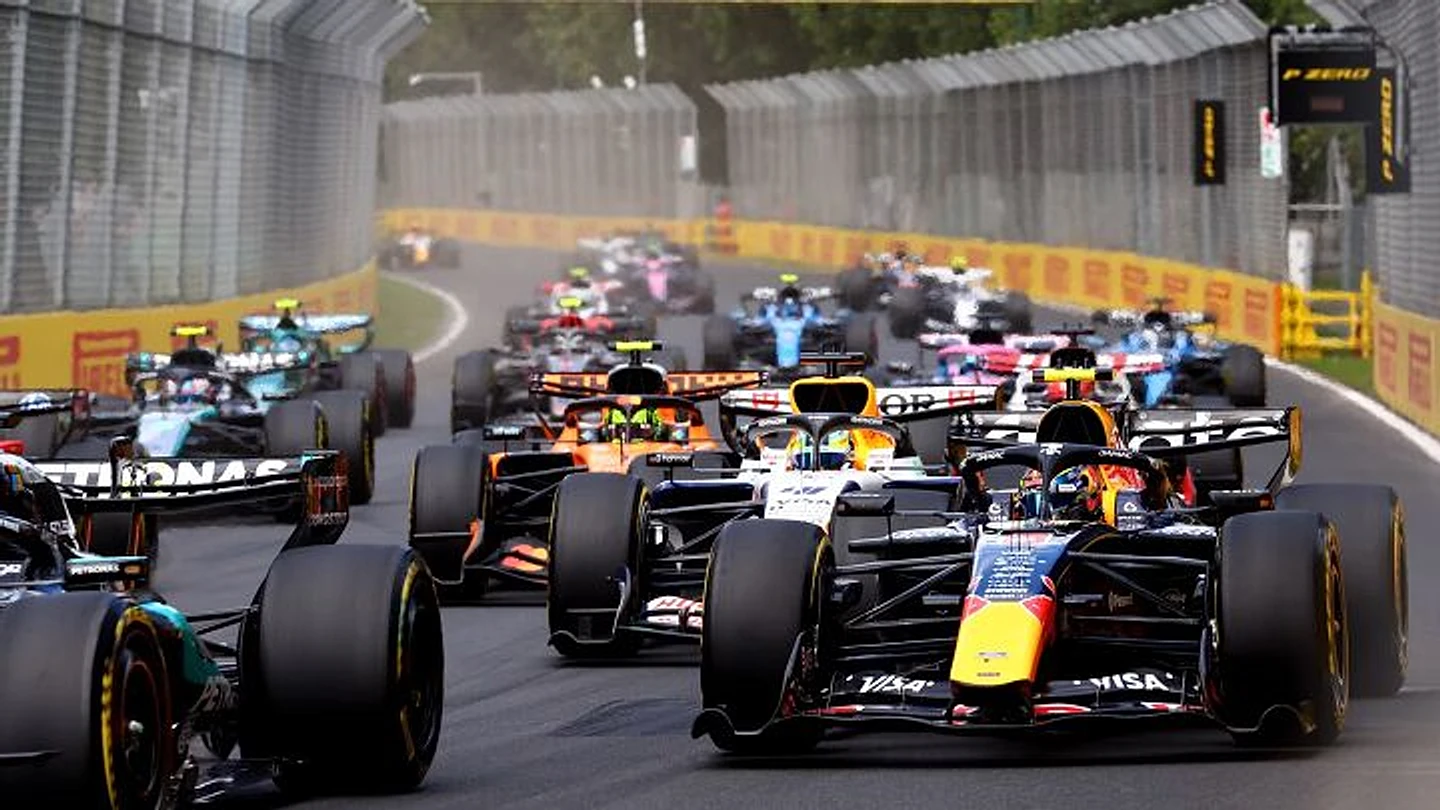
Formula 1's 2026 engine regulations were heralded as the sport's bold leap into the future—a perfect blend of cutting-edge hybrid technology and sustainable performance. They promised more electrical power, greater efficiency, and a seamless bridge between the racetrack and the modern automotive world. But just four races into the season, the paddock is already scrambling to reverse course. The FIA itself has declared it will no longer be held hostage by the automakers who originally pushed for these ambitious rules.
After a fresh round of meetings between the FIA, Formula 1 Management, teams, and power-unit manufacturers following the Miami Grand Prix, the sport has agreed in principle to overhaul the hybrid formula starting in 2027. The headline change is refreshingly simple: less reliance on battery deployment, and a return to more internal combustion power.
The original 2026 regulations introduced a near-even 50/50 split between combustion and electrical energy, dramatically ramping up the role of energy harvesting and deployment strategy. But Miami became an unexpected testing ground for emergency refinements aimed at improving actual racing—not just inflating overtake numbers. Drivers generally agreed the tweaks helped, though not dramatically. Max Verstappen hilariously described the Miami adjustments as "a tickle."
Starting in 2027, Formula 1 plans to rebalance the power-unit formula away from its current electrical-heavy setup. Under the agreement in principle, internal combustion engine output would rise by roughly 50 kilowatts—almost 70 horsepower—thanks to increased fuel flow. Meanwhile, electrical deployment from the ERS system would drop by approximately the same amount. It's a band-aid fix, but it's a start.
Drivers have repeatedly complained that the current systems create unnatural throttle behavior and strange racing dynamics, especially when batteries enter aggressive harvesting phases. More combustion power restores a more linear relationship between throttle input and acceleration, though it won't eliminate superclipping or the need for aggressive lift-and-coast techniques. For fans and drivers alike, this adjustment marks a crucial step toward making F1 racing feel more authentic and thrilling again.