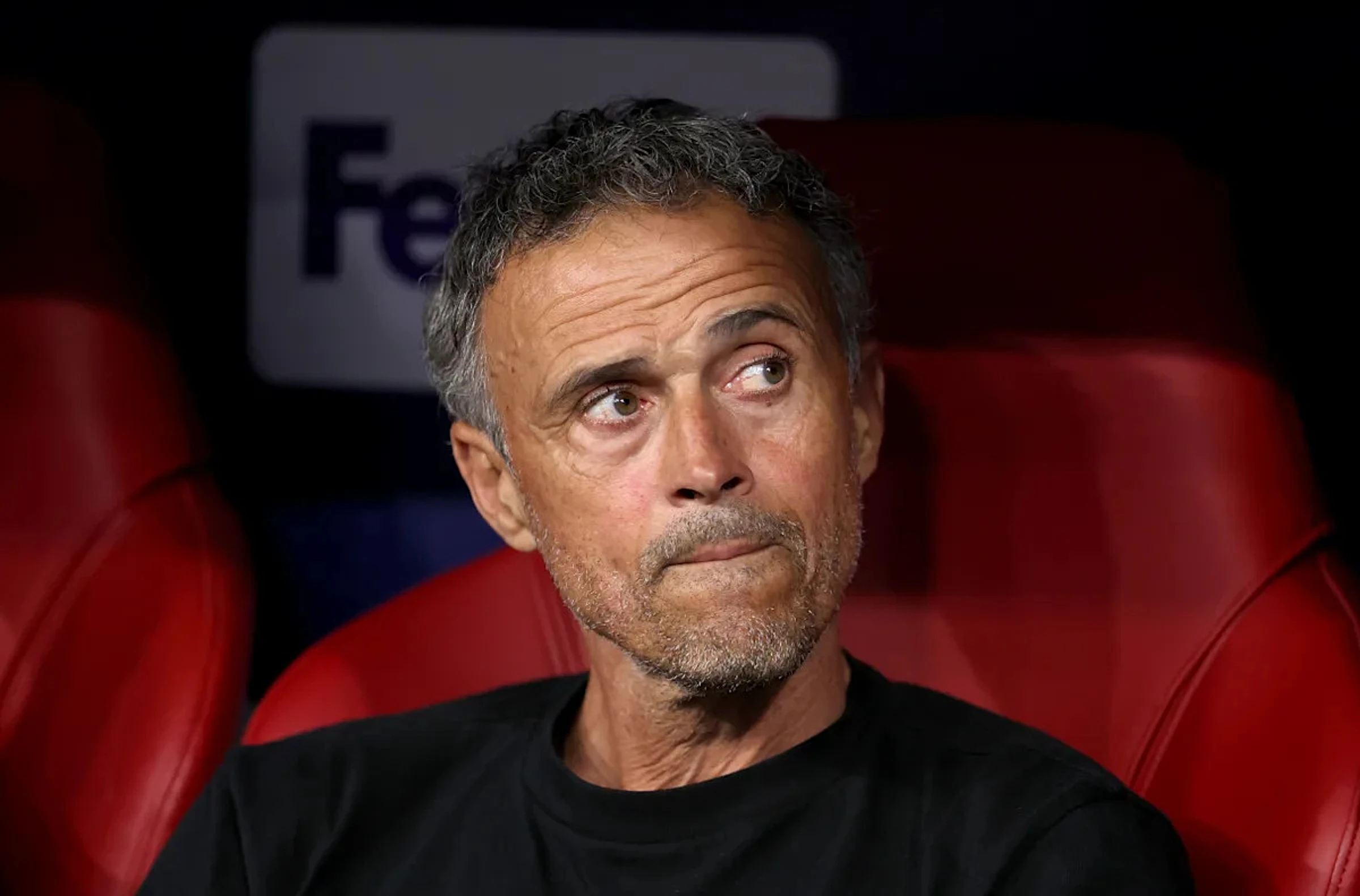
Walter Sabatini, the former sporting director of AS Roma, has shared remarkable stories about Luis Enrique's challenging yet principled season in charge of the Italian club. The current Paris Saint-Germain manager's one-year tenure at Roma remains unforgettable, and Sabatini's insights reveal a coach who refused to compromise his footballing philosophy—even when it meant facing the wrath of the fans.
It all began when agent Dario Canovi alerted Sabatini to a young Spanish coach eager to leave Barcelona B and prove himself abroad. Intrigued, Sabatini sent scouts Frederic Massara and Pasquale Sensibile to observe Luis Enrique's methods. After a personal trip to Barcelona, Sabatini was convinced. "Nobody had ever considered him as a Serie A coach," he recalled. "He was a unique figure in Italian football."
What unfolded was a season of bold decisions and fierce loyalty to a system, even as Roma finished seventh and missed European qualification. The defining moment came with Luis Enrique's handling of club legend Francesco Totti. In Rome, Totti is more than a player—he's an icon. "At Roma it works like this: whoever touches Totti commits a mortal sin," Sabatini explained. "Luis Enrique knew perfectly well that putting him in question meant digging his own grave. Despite everything, he did not want to betray his ideals for personal gain. He is a man of great consistency."
The tension was palpable. Totti, who reportedly nicknamed his coach "Zichichi" after a famous Italian scientist as a sign of respect, found himself benched. The decision sparked outrage among the Giallorossi faithful, who booed the Spaniard relentlessly. But Luis Enrique never wavered. "He did not care what people thought," Sabatini said. "He pursued his style of football and accepted the price to pay."
For fans of the beautiful game, this story captures the essence of a coach who prioritizes vision over popularity. It's a reminder that true football artistry often comes with a cost—and that the most memorable seasons aren't always measured by trophies alone.