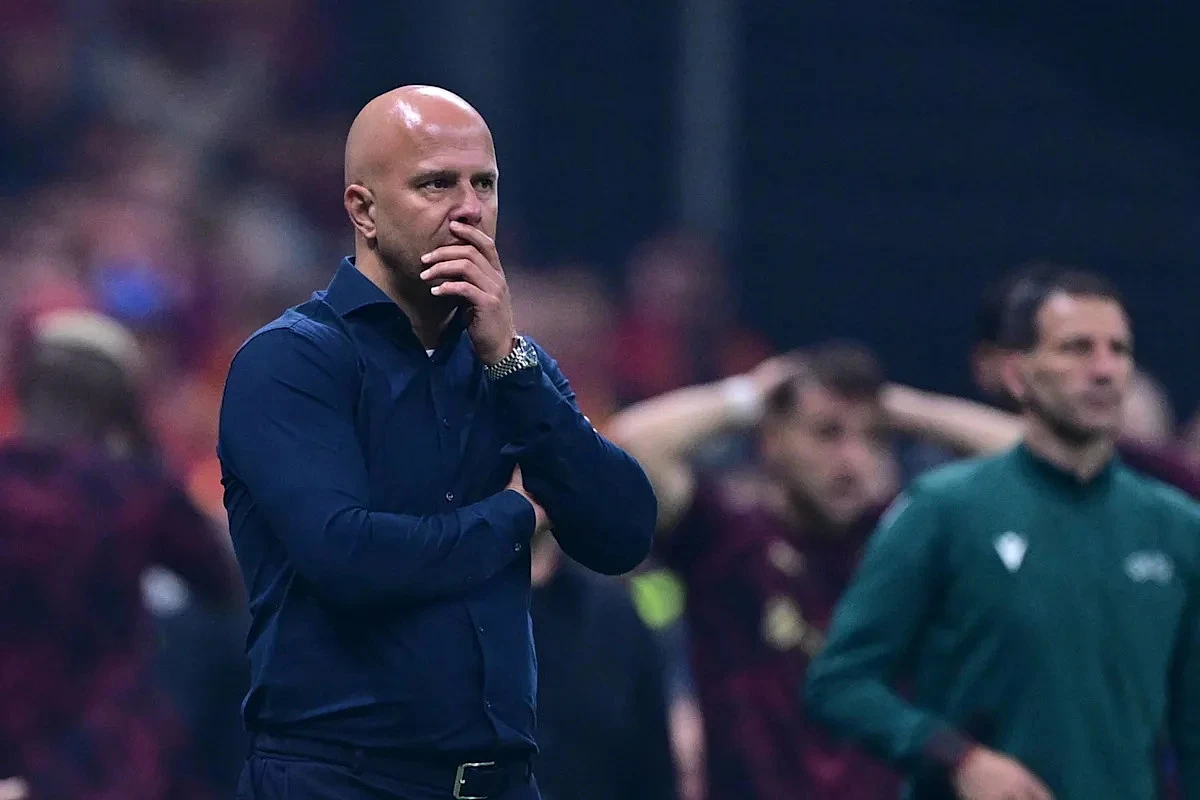
Liverpool's season, which began with the fresh optimism of a new era under Arne Slot, has entered a phase of intense scrutiny. Early promise has given way to questions about the team's direction, fueled by a Champions League exit and inconsistent Premier League form. With crucial matches on the horizon, the pressure is mounting not just on results, but on the very foundations of the club's project.
Former Liverpool midfielder Danny Murphy has now delivered one of the most direct public critiques, casting doubt on the team's progress and, more significantly, the structure behind it. Speaking on talkSPORT, Murphy questioned the dynamics of Liverpool's transfer strategy and the manager's influence within it.
"Because of this disappointment with the new signings, which he was a part of, apparently, we think he is, would you then go again with another £250 [million] or whatever they are going to spend with the same people in charge?" Murphy posed. "The argument is, whoever you bring in, are they going to get dictated to, by a degree, by [sporting director] Richard Hughes and [CEO of football] Michael Edwards. My feeling is, and it always has been, that Slot’s say on some of these signings is minimal."
This highlights a critical debate in modern football: the balance of power between a head coach and a club's sporting hierarchy. Murphy's comments suggest the issue at Liverpool runs deeper than tactics, touching on a fundamental question of who holds the keys to the team's future.
The former Red also warned of the growing pressure at Anfield, emphasizing how a negative atmosphere can impact performance. "Ultimately, the problem the owners at Liverpool have got is they have got a situation where the pressure on the manager is big and the expectation is big," he said. "If it becomes toxic, week in, week out, a really negative environment for the players to try to thrive in, it becomes very difficult. From what I can see on the outside, I would make a change."
Such stark advice underscores the high-stakes environment of elite football, where patience is a luxury and the demand for a clear, winning identity is relentless. For a club with Liverpool's illustrious history, the search for that identity post-Jürgen Klopp remains the central, unresolved narrative of this new chapter.