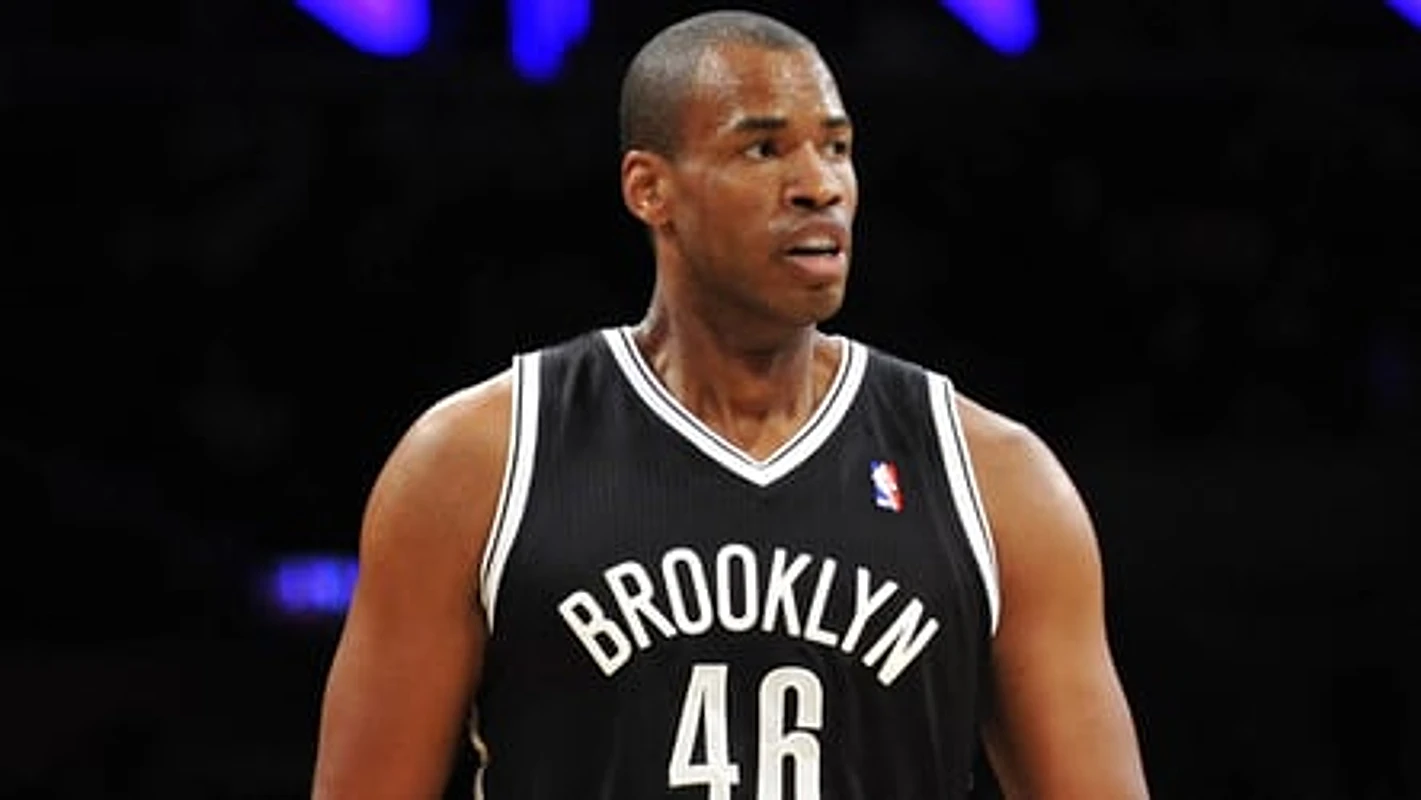
The basketball world is mourning the loss of former NBA center Jason Collins, who passed away at age 47 after a courageous battle with Stage 4 glioblastoma, his family confirmed.
Collins, a 13-year NBA veteran, played eight of those seasons with the Nets organization. He was selected 18th overall in the 2001 NBA Draft out of Stanford University and quickly became a key contributor for the franchise. During his early years in New Jersey, Collins helped the Nets reach back-to-back NBA Finals in 2002 and 2003, showcasing the grit and defensive tenacity that defined his game.
Over his career, Collins averaged 4.3 points and 4.4 rebounds per game across 735 contests. After spending his first seven seasons with the Nets, he went on to play for the Memphis Grizzlies, Minnesota Timberwolves, Atlanta Hawks, Boston Celtics, and Washington Wizards. He returned to the Nets in 2014 following their move to Brooklyn, playing 22 games during the 2013-14 season.
Beyond the stat sheet, Collins made history in 2013 when he became the first active, openly gay player in the NBA—and across all four major American professional sports leagues. His announcement was a landmark moment for inclusivity in sports, inspiring countless athletes and fans worldwide.
Collins first revealed his cancer diagnosis in December 2025. He sought experimental treatments in Singapore over the winter, which initially allowed him to return home and remain active. However, the disease recently returned, and he passed away peacefully at home surrounded by family.
NBA Commissioner Adam Silver released a statement honoring Collins' legacy: "Jason Collins' impact and influence extended far beyond basketball as he helped make the NBA, WNBA, and larger sports community more inclusive and welcoming for future generations."
Collins' family also shared a heartfelt statement, expressing gratitude for the outpouring of support during his battle. As we remember his contributions on the court and his courage off it, his story serves as a powerful reminder of the lasting impact one player can have—not just on a franchise, but on the entire world of sports.